
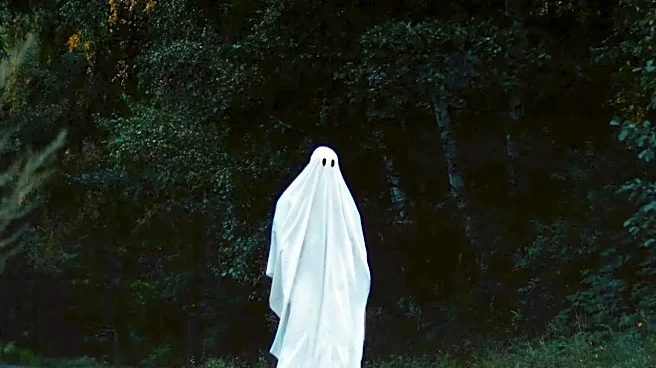
The Terror of Suggestion
Modern horror often prioritizes the explicit. We see the monster in high-definition detail, witness every gory act, and are bombarded with loud, percussive jump scares. Older horror, particularly television specials from the 70s and 80s, didn't have that
luxury. Due to both technological and broadcast standard limitations, creators had to rely on a far more potent tool: the viewer's imagination. By hinting at what lurks in the shadows, focusing on a character’s terrified reaction, or using sound to create a threat that remains unseen, these programs forced our minds to fill in the blanks. And what our own brains can conjure, based on our deepest personal fears, is almost always more terrifying than what any special effects artist can put on screen. This power of suggestion creates a lingering sense of unease that a quick jump scare simply can't match.
The Uncanny Chill of Analog
There's a unique and unsettling quality to older media. The slight wobble in the audio, the grain of the film, and the unnatural movements of practical effects like puppets or stop-motion animation can trigger a psychological response known as the uncanny valley. This is the eerie feeling we get when something looks almost human, but not quite. Modern CGI, for all its realism, often feels weightless and digitally clean. In contrast, the physical presence of an animatronic or a latex-masked actor, however crude, bypasses our brain's filter for fiction. The very imperfections of the analog format—the distorted audio on a supposed PSA, the flickering of a VHS recording—create a sense of corrupted familiarity. It feels like a real-world object that has been warped, making the horror feel more grounded and plausible.
The Safety of the Scare
Many classic Halloween specials were made for a broad, often family, audience. From "It's the Great Pumpkin, Charlie Brown" to Disney's holiday-themed episodes, the goal was to be spooky, not traumatizing. These programs had to operate within strict network standards, which forced a level of creative restraint. The horror couldn't come from gore or intense violence; it had to emerge from atmosphere, music, and suspense. This created a very specific kind of fear—a "safe scare" delivered from the trusted family television set. When something genuinely frightening did happen, like the ghostly pirates in "Garfield's Halloween Adventure," it broke that sense of safety, making it feel far more impactful. The horror felt like a violation of a familiar, comfortable space, a feeling that stays with you.
Formative Fears and the Power of Memory
Ultimately, nostalgia does play a role, but it’s deeper than just fond memories. Many of us first encountered these specials as children, when our minds were more impressionable and our understanding of the world was still forming. The fears presented in these shows—of the dark, of being lost, of something familiar turning strange—were foundational. Watching them today taps into those primal, formative anxieties. The slow pacing of older films and shows, with lingering shots and moments of silence, allowed the dread to build in a way that modern, fast-cut editing often doesn't. We weren’t just watching a scary story; we were learning what it felt like to be scared in a way that felt both thrilling and manageable. That first taste of fear, wrapped in the cozy blanket of a childhood October night, is a potent combination that modern horror struggles to replicate.