










The Old World: Running Up to Sweeps
For decades, the business of television ran on a calendar dictated by Nielsen ratings 'sweeps' periods. These were specific months—typically November, February, May, and July—when the company would measure local TV audiences across the country using paper
diaries. Those ratings determined how much local stations could charge for advertising for the next several months. November was arguably the most crucial sweep period, as it was the first major evaluation of the new fall season that kicked off in September. This made October the most important runway in television. Networks used these weeks to build momentum for their new and returning shows, hoping to hook viewers and guarantee they'd be tuned in when the ratings books opened in late October or early November.
A Calendar Built for Advertisers
The entire broadcast model was built around creating 'appointment television'—getting as many people as possible to watch the same show at the same time. This was the only way to deliver a mass audience to advertisers. In the run-up to the November sweeps, networks would pull out all the stops. October was filled with high-stakes episodes, major guest stars, and cliffhangers designed to ensure viewers came back. The goal was simple: get your show's ratings as high as possible during that measurement window to maximize ad revenue for the following quarter. This advertiser-focused model meant the viewing experience was one of scarcity; new episodes were precious, and if you missed one, you were out of the loop. Outside of the sweeps months, the schedule was often filled with reruns, much to the frustration of viewers.
How Streaming Ignored the Clock
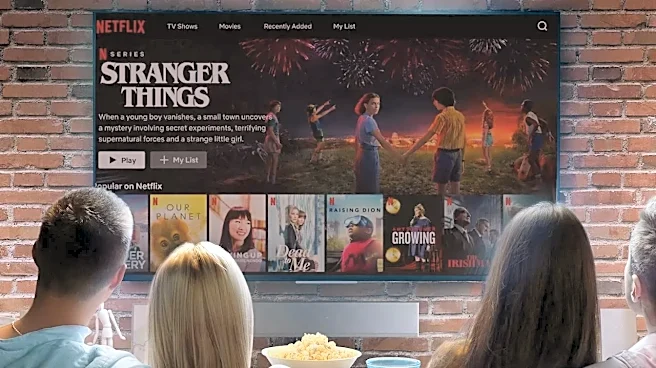
Then came streaming. Platforms like Netflix weren't funded by advertisers, but by subscribers. This fundamentally changed the goal. A streamer didn't need everyone to watch a show at 8 PM on a Tuesday; it just needed you to not cancel your subscription. This new business model blew up the traditional TV calendar. Streaming services began releasing content year-round, whenever a show was ready, completely untethered from the fall season or sweeps periods. They also pioneered the 'binge-watch' model, dropping entire seasons at once. This gave viewers total control, shifting power from the broadcaster's schedule to the audience's whim. The idea of a universal premiere night started to fade, replaced by an endless library of on-demand options.
Today's October: From Sweeps to Spooky Season
Today, October on television looks completely different. For streamers, the month is no longer a strategic prelude to November ratings. Instead, it has become a major programming event in its own right, largely centered around a single theme: Halloween. Services like Netflix now use October to launch a dedicated slate of horror movies and spooky-themed shows, aiming to dominate the cultural conversation around the holiday. It's a strategy of owning a specific, seasonal niche. Beyond horror, streamers also use the fall to drop prestige, award-contending series to generate buzz heading into the end of the year. The fight is no longer about winning a sweeps period to impress advertisers, but about capturing subscriber attention and preventing 'churn' in an increasingly crowded market. While broadcast networks still launch fall schedules, they now compete with a constant stream of high-profile releases available anytime.