





An Algorithm for Anxiety
The promise of streaming was infinite choice, a library of everything ever made, available at your fingertips. The reality, however, has become a low-grade chore. Juggling an average of three to four subscriptions, consumers are feeling overwhelmed by
the sheer volume of content and rising costs. This phenomenon, known as choice overload, suggests that having too many options can lead to decision paralysis and dissatisfaction. Instead of feeling empowered, our brains get stuck in a loop of comparison, endlessly wondering if a better choice is just one more scroll away. The algorithm, designed to serve us, can instead feel like a demanding boss, assigning us homework for what should be our downtime.
The Comfort of the Clock
This is where the humble, seemingly outdated cable schedule finds its surprising new appeal. Its core feature isn't a bug; it's a feature. The predictability of a linear schedule removes the burden of decision. There's something uniquely calming about knowing that a specific movie will be on at 8 p.m., or that a block of your favorite procedural will be waiting for you on a Saturday afternoon. This is the power of a media ritual. It’s a shared, paced experience that anchors a part of your day, requiring nothing from you but to tune in. In an information-rich world that makes constant demands on our attention, the passivity of cable TV feels less like a limitation and more like a luxury.
The Joy of Stumbling Upon
Beyond the scheduled appointments, there’s the lost art of channel surfing. Unlike the calculated suggestions of a streaming service, flipping through channels offers a sense of serendipity. Stumbling upon the last 30 minutes of a classic film you haven't seen in years or catching an interesting documentary by chance is a form of passive discovery. It’s a low-stakes exploration without the pressure to commit to a full season. This taps into the appeal of "comfort viewing," where familiarity and predictability soothe the mind. Shows become like old friends, their presence in the background a source of emotional safety, reducing feelings of loneliness by providing ambient companionship.
A Shared Cultural Rhythm
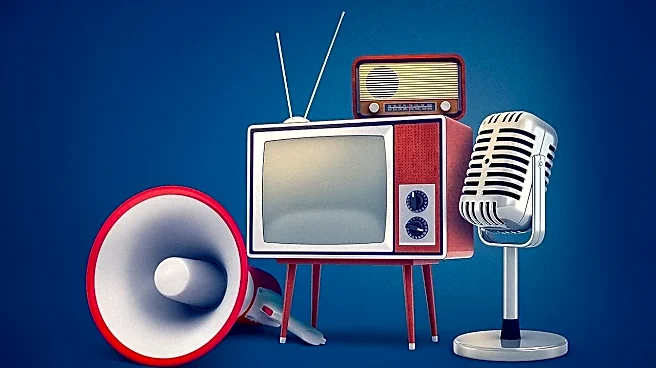
While streaming has fragmented audiences into millions of individual viewing bubbles, linear TV maintains a semblance of a shared cultural pulse. Knowing that thousands, or even millions, of other people are watching the same thing at the same time creates an invisible sense of community. It's the reason live sports and major news events remain a stronghold of traditional television. This shared experience provides a common cultural touchstone, something to talk about the next day that isn't dependent on whether your friends have also binged the same niche show you just finished. It’s a quiet reminder that you’re part of a larger, simultaneous audience, all tuned in together.