


An Idea Born at a Dinner Party
Like many great British institutions, the London Film Festival (LFF) began with a conversation over dinner. In 1953, a group of influential film critics, including The Sunday Times' Dilys Powell, lamented that a city as culturally vital as London lacked
a major film festival on par with Cannes or Venice. The idea struck a chord with James Quinn, then-director of the British Film Institute (BFI). Four years later, in 1957, the first LFF was held at the newly opened National Film Theatre on the Southbank. Its mission was simple and curated: to be a 'festival of festivals,' screening cinematic highlights that had already won acclaim elsewhere. The inaugural event featured just 15 films, but the lineup was formidable, including Akira Kurosawa’s 'Throne of Blood' and Ingmar Bergman’s 'The Seventh Seal'.
Finding a Unique, Public-First Identity
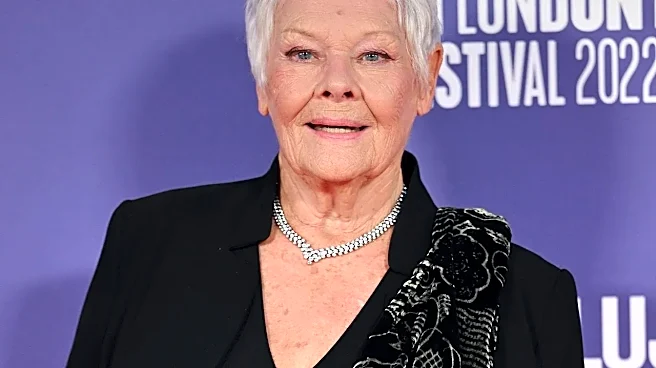
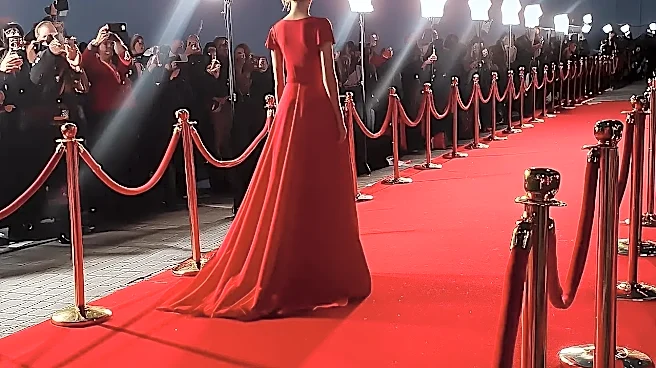
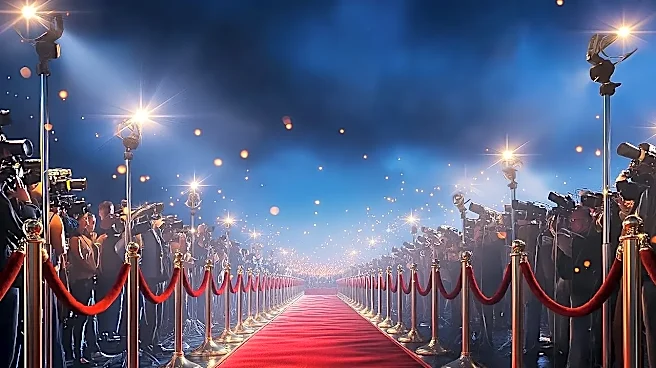
For its first few decades, the LFF remained a relatively small, cinephile-focused event. It was respected but not a major stop for premieres. A key shift began in the 1980s and accelerated in the '90s as the festival deliberately transformed itself into a major public event. While other top-tier festivals can feel industry-exclusive, the LFF cultivated an identity centered on audience access. It introduced major red-carpet galas for its opening and closing nights, making premieres accessible to the public, not just industry insiders. This audience-first ethos became its superpower. The festival offers extensive free programming, including panels, workshops, and DJ nights, fostering a city-wide celebratory atmosphere. This focus on the public is a core reason it became a 'tradition for movie lovers'—it was built for them.
The Strategic October Advantage
The festival's placement in mid-October is a stroke of strategic genius. It sits just after the whirlwind of the late-summer festivals (Venice, Telluride, Toronto) where many awards contenders first screen. This timing allows the LFF to do two things brilliantly. First, it offers a high-profile European platform for those buzzy films to continue building momentum. Second, it provides a launchpad for films that opted to skip the earlier crush, allowing them to carve out their own space in the awards season conversation. Studios and distributors now see the LFF as a crucial stop on the road to the Oscars and BAFTAs, using it to premiere films to UK and European audiences and generate critical buzz just as voting season approaches.
More Than Just London
While its name says London, the festival's ambition has grown to encompass the entire UK. In recent years, the BFI has made a concerted effort to share the festival experience beyond the capital. This includes simultaneous screenings of gala premieres in partner cinemas across the country and a robust digital offering on the BFI Player, which allows viewers at home to watch a curated selection of festival titles. This expansion has broadened its reach and reinforced its status as a national cultural event. By bringing the festival to more people, the BFI has deepened its roots, ensuring the 'October tradition' extends far beyond the M25 motorway. This hybrid model, mixing physical and digital access, was accelerated during the 2020 pandemic and has become a permanent, popular feature.
A Global Stage in a Global City
Today, the BFI London Film Festival is a global powerhouse. The 2026 edition, for example, is its 70th and features hundreds of titles from dozens of countries, including a significant number of world and European premieres. It attracts A-list talent for its popular 'Screen Talks' and glitzy galas at venues like the Royal Festival Hall. But it has achieved this status without losing its soul. It remains a festival of discovery, programming films across thematic strands like 'Love,' 'Debate,' and 'Laugh' to encourage audiences to take a chance on something new. It champions emerging filmmakers alongside established masters and has become a vital platform for international and British cinema alike, fulfilling its founders' original vision in a way they could have only dreamed of.