




The Power of the Premiere
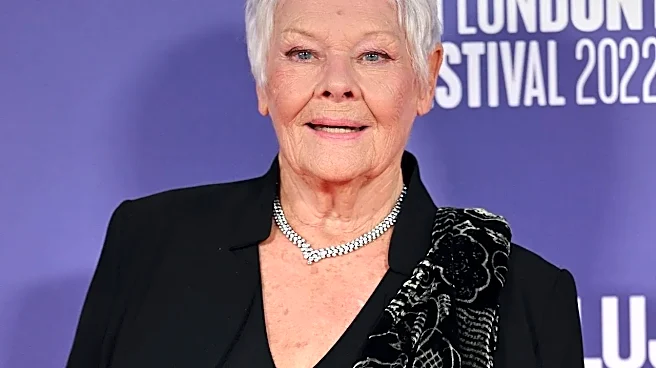
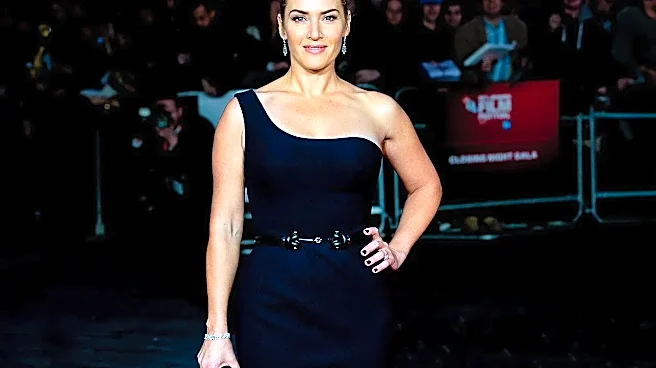
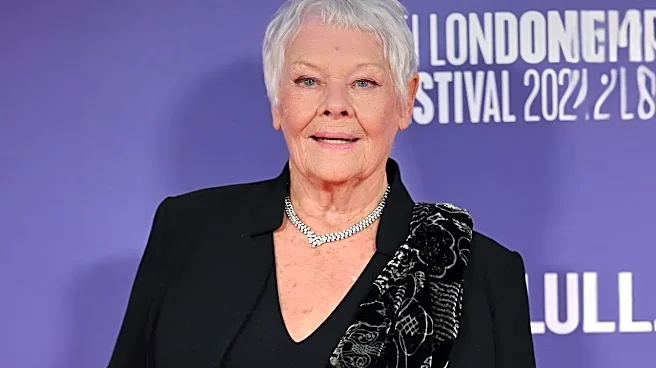
Any major film festival needs star power to make a global impact, and the BFI London Film Festival (LFF) is no exception. Running from October 7 to 18, its 70th edition is packed with heavyweight titles. The schedule features galas for films like Simon
Stone’s 'Elsinore', starring Andrew Scott in a role already generating awards chatter, and Jesse Eisenberg’s star-studded directorial effort, 'The Debut'. These high-profile premieres, held at the prestigious Royal Festival Hall, attract international press, secure media headlines, and ensure the festival is a key stop on the grueling awards season circuit. With names like Luca Guadagnino, Pedro Pascal, and Andrew Scott on the bill, the galas create a gravitational pull, drawing audiences and industry attention to London.
It's Not All About World Premieres
Here’s where London plays a different game. While festivals like Cannes and Venice live and die by their exclusive world premieres, LFF Director Kristy Matheson has a more flexible philosophy. She's stated that securing world premieres isn't the festival's main organizing principle. Instead, the focus is on curating the best possible collection of films for a UK audience, regardless of where they first screened. This year, for example, the festival is giving world premieres to Laika's animated feature 'Wildwood' and Brad Bird's 'Ray Gunn', but Matheson calls this a 'happy accident' of timing rather than a strategic imperative. This approach frees the programmers from the intense competition for debuts and allows them to build a richer, more diverse lineup.
The Discovery Engine
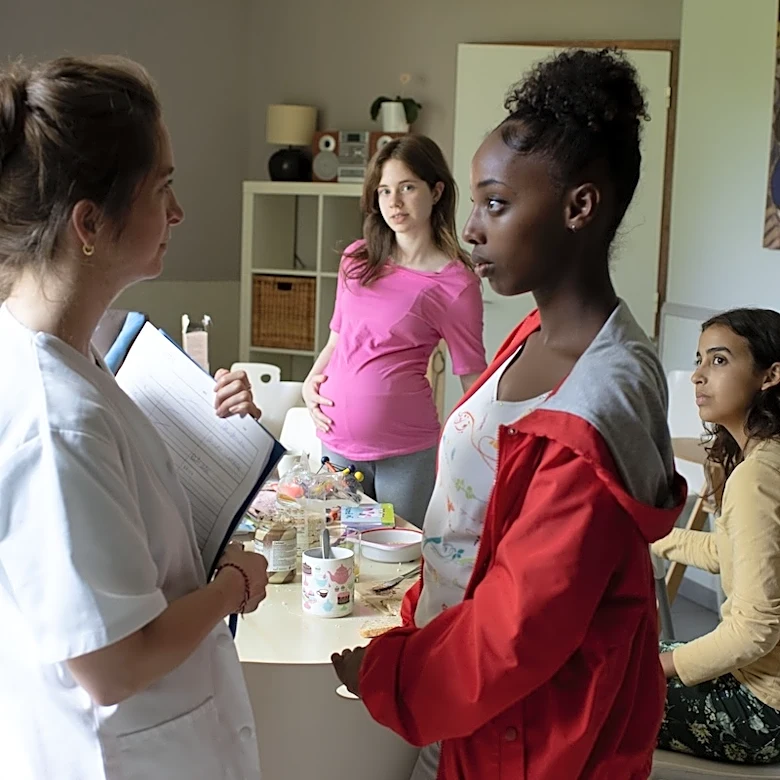
The real secret to the LFF’s identity lies in its commitment to discovery. For every star-led gala, the program is filled with hundreds of features, shorts, and series from over 88 countries, many from first- or second-time directors. The festival is intentionally structured to encourage audiences to take a chance on something new. Films are organized into thematic strands like 'Love', 'Debate', 'Cult', and 'Journey' to help moviegoers navigate the vast selection based on mood rather than just hype. This is where you'll find the 'low-profile discoveries'—films like the genre-defying queer epic 'La Bola Negra' or the Sundance-winning drama 'Josephine'. The festival even hosts a 'Works-in-Progress' showcase, giving an early platform to emerging UK filmmakers.
A Symbiotic Relationship
The high-low pairing isn't just a quirky feature; it's a functional ecosystem. The glamour of the galas provides a spotlight that illuminates the entire program. Media outlets that come to cover Andrew Scott or Julianne Moore might stay to review a debut feature in the competition strand. Audiences, drawn in by a blockbuster, are encouraged to explore. The festival's official guidance emphasizes that it's for everyone, not just industry insiders, and actively promotes the idea of discovering an unknown film. This creates a space where a film lover can see a future Oscar winner in the afternoon and a raw documentary from a new voice in the evening, all under the same festival banner. This blend is what Matheson refers to when she speaks of creating a space for audiences to 'experience worlds outside ourselves'.