
It’s a frustratingly common sight: a trail of tiny, fuzzy balls on your favorite sweater or a worn patch on a new coat, perfectly aligned with where your bag strap sits. This isn't a sign of a poorly made
garment; it's a battle of friction.
The Science of the Rub: What Is Pilling?
Those annoying fuzzballs are called 'pills', and they are the direct result of friction. When a surface—like a purse strap, seatbelt, or backpack—repeatedly rubs against a fabric, it breaks the tiny fibers within the yarn. These broken fibers then get tangled together into small knots. The process is known as pilling, while the general wear-down of the fabric surface from rubbing is called abrasion. Think of it as a localized stress test. The constant motion of a bag strap creates thousands of tiny abrasions, causing the most vulnerable fibers to loosen, break, and clump together, creating that tell-tale fuzzy patch on a shoulder or hip.
The Usual Suspects: Fabrics Prone to Pilling
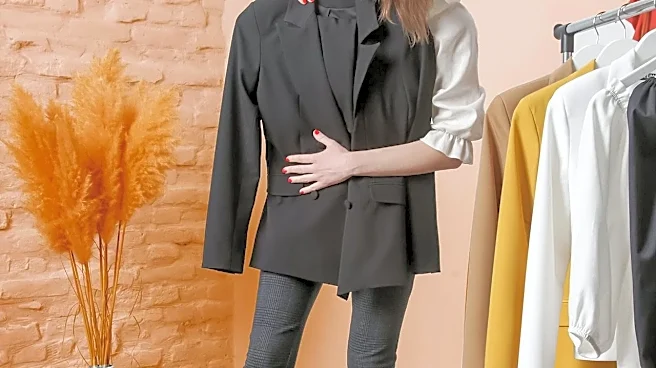
Not all fabrics are created equal in the face of friction. The likelihood of pilling often comes down to fiber length and weave tightness. Fabrics made from shorter, looser fibers are the most susceptible. This includes many of our coziest favorites: soft knits, cashmere, certain types of wool, and fleece. Loosely spun yarns, prized for their soft feel, have more fiber ends exposed and ready to tangle. Conversely, fabrics made from long, smooth fibers that are tightly woven are more resilient. Materials like high-quality linen, silk, denim, and worsted wool (often used in suits) are less likely to pill because their fibers are locked securely in place.
Your First Line of Defense: Choosing the Right Bag
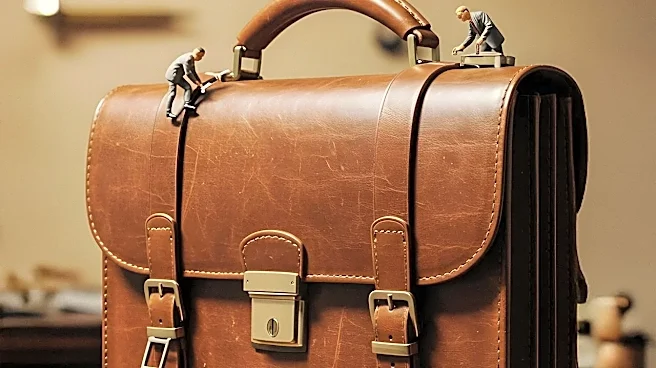
Preventing damage starts with being mindful of your accessories. The material and design of your bag’s strap play a huge role. Straps made from rough materials like heavy canvas, braided leather, or decorative chains are significantly more abrasive than those made from smooth, flat leather or nylon. If you love your knitwear, consider a handbag or a bag with a smoother strap for days you wear delicate fabrics. Even the weight of your bag can contribute to the problem by increasing the pressure and friction on the fabric beneath. Lightening your daily load can offer your clothes a bit of a reprieve. Another simple trick is to rotate which shoulder you carry your bag on, spreading the wear and tear instead of concentrating it on one spot.
Garment Care: How to Build Resilience
Proper laundry habits can significantly reduce pilling from all sources, including bag abrasion. The goal is to minimize friction during the washing process. Always turn garments inside out before washing to protect their outer surface. Washing them in a mesh delicates bag provides an extra layer of protection against rubbing on other items. Opt for a gentle cycle with cold water and a mild detergent; high heat can damage fibers, making them more prone to breaking. Whenever possible, air-dry your knits by laying them flat on a towel or drying rack. The intense tumbling and high heat of a machine dryer are a major cause of friction and fiber damage.
Damage Control: How to Safely Remove Pills
If pilling has already occurred, you can safely remove it and restore the look of your garment. The most effective tool is an electric fabric shaver, which gently cuts the pills from the surface without harming the fabric underneath. To use one, lay the clothing on a flat surface, pull the fabric taut, and move the shaver in light, circular motions. For more delicate items like cashmere, a sweater comb is a gentler option. In a pinch, a clean disposable razor can also work, but it requires an extremely light touch to avoid snagging the yarn. Whatever you do, resist the urge to pull pills off with your fingers, as this can yank out more fibers and create the foundation for future pilling.