







Keep the Rules Simple
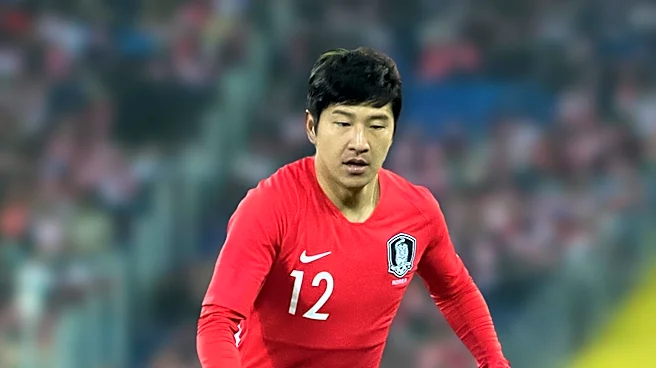
To a child, soccer’s rules can seem complicated. Forget offsides and penalty kicks for now. Start with the basics: the objective is to kick the ball into the other team's net, and players can't use their hands (except for the goalie). A goal is scored
only when the entire ball crosses the goal line. Focusing on the main goal of the game keeps it from feeling like a lecture and allows kids to enjoy the action. You can introduce more complex rules like throw-ins or corner kicks as they come up during a match.
Pick a Team to Cheer For
The World Cup is a fantastic geography lesson in disguise. Help your child pick a country to support. You could choose a nation based on your family's heritage, a favorite animal, or even the colors of their flag. Once you have a team, dive in! Learn a few words in the country's language, find it on a map, and cook a simple dish from that culture for match day. This creates a personal connection that makes watching the game much more engaging.
Create Your Own Tournament
Bring the competition home by setting up a mini-tournament. You don’t need a full-sized field; the backyard or a local park works perfectly. Create a simple bracket on a whiteboard or poster board and let family members represent different countries. You can even get creative by designing team jerseys out of old t-shirts or making flags with construction paper. This hands-on approach helps kids understand the tournament structure while getting them active.
Turn a Match into a Party
Make game day an event to look forward to. Decorate your living room with team colors, get some temporary tattoos or face paint, and prepare themed snacks. Cupcakes with icing in team flag colors are a simple but effective treat. Another idea is to have a “goal celebration” challenge: every time a team scores, everyone has to do a silly dance or a victory lap around the room. These small rituals transform passive viewing into an interactive party.
Focus on More Than the Score
Kids often watch sports differently than adults. Instead of focusing on tactics, encourage them to look for other things. Create a “Celebration Bingo” card where they can spot a knee slide, a group hug, or a silly dance after a goal. Or try a “Helper Hunt” to see who can find the most examples of good sportsmanship, like a player helping an opponent up. You can also have them follow one player for ten minutes and count how many times they touch the ball. This teaches them to appreciate the smaller moments of the game.
Get Crafty with Soccer Projects
Use the tournament buzz to inspire some creativity. Simple crafts can keep little hands busy, especially during halftime. Make soccer player finger puppets and have them act out a match, or build a mini soccer field in a shoebox. You can also print out blank tournament brackets for them to fill in, or have them design their own team logo and mascot. These activities provide a screen-free way to engage with the sport.
Play Soccer-Inspired Games
Channel their energy with fun, soccer-themed games that build skills without feeling like practice. Set up a dribbling obstacle course in the yard using cones or toys. Or play a game of “Soccer Sharks & Minnows,” where kids have to dribble their ball from one side of a designated area to the other while a “shark” tries to kick their ball away. These activities connect the excitement on the screen to physical play, reinforcing that soccer is a game to be played, not just watched.