









It’s a Family Matter
The grudge isn't personal, at least not at first. For Poseidon, it’s all about his son. After the Trojan War, Odysseus and his crew were making their way home when they landed on an island inhabited by Cyclopes. In a cave filled with cheese and sheep,
they met Polyphemus, a giant with one eye and a very bad attitude. What Odysseus didn't know was that this monstrous, man-eating shepherd was the son of the sea god himself. This encounter wasn't just bad luck; it was the inciting incident for a decade of divine retribution.
A Breach of Hospitality
Odysseus and his men made themselves at home in the cave, expecting the traditional Greek courtesy of hospitality, known as xenia. Polyphemus had other ideas. Instead of welcoming his guests, the giant blocked the cave entrance with a massive boulder, trapping them inside. To their horror, he then began eating them, grabbing two men for dinner and two more for breakfast. Trapped and watching his crew get devoured, the famously cunning Odysseus knew brute force wouldn't work. He needed a plan that was as clever as he was.
The 'Nobody' Deception
Odysseus put his plan into motion. He offered Polyphemus some potent, unwatered wine he had brought with him. The giant, who had never tasted wine, got roaringly drunk and asked for his guest’s name as a sign of favor. Odysseus replied, “My name is Nobody.” Once the Cyclops passed out, Odysseus and his men drove a sharpened, red-hot olive stake into his single eye, blinding him. When other Cyclopes heard his screams and asked who was hurting him, Polyphemus could only shout, “Nobody is hurting me!” His would-be rescuers, thinking he was either sick or divinely cursed, left him to his fate.
A Hero's Fatal Flaw
The plan worked perfectly. The next morning, Odysseus and his men escaped by clinging to the bellies of Polyphemus’s sheep as the blind giant let them out to pasture. They were free. But this is where Odysseus made his fatal error. Instead of sailing away quietly, his pride—his hubris—got the better of him. Safely on his ship, he couldn't resist taunting the wounded giant on the shore. He shouted back, revealing his true identity: “If anyone asks who blinded you, tell them it was Odysseus, son of Laertes, from Ithaca!” It was a moment of pure arrogance, and it gave his new enemy a name to curse.
The God's Long Revenge
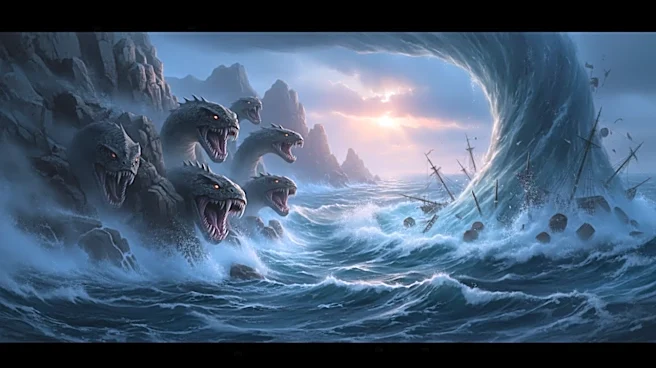
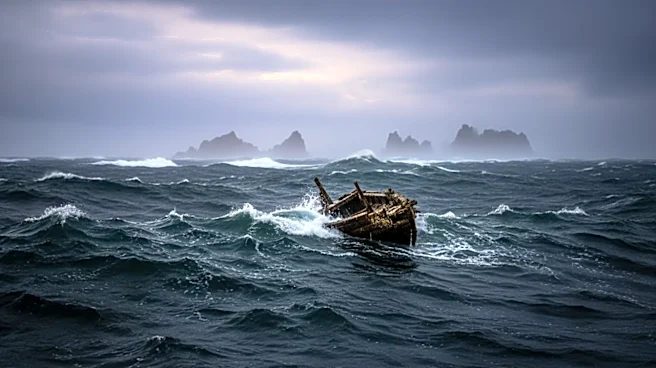
Blinding a monster who was eating your men might be justifiable. But taunting him and, by extension, his divine father was unforgivable. With a name to target, the blinded Polyphemus prayed to his father, Poseidon, for vengeance. He asked that Odysseus either never return home or that he do so only after years of suffering, having lost all his men and his ships. Poseidon was more than happy to oblige. The god of earthquakes and seas didn't kill Odysseus outright, but he honored his son’s curse, hounding the hero across the waves with storms and sea monsters for ten long years. Every setback, every lost ship, every drowned crewmate was a direct result of that one moment of pride.