







It’s Not Just a T-Shirt, It’s a Signal
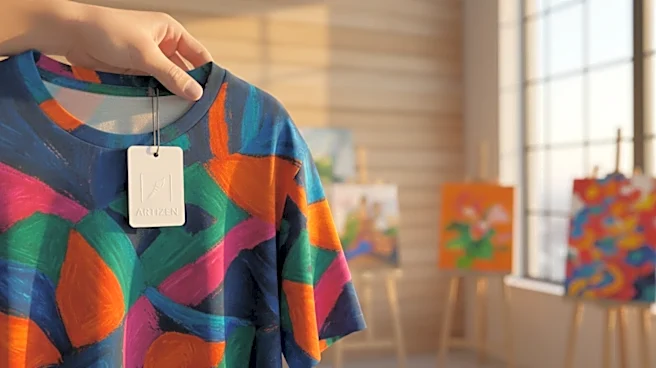
Before we even get to the money, let’s be clear: buying merchandise is about identity. It’s a tangible way of connecting with a creator or a community. In an era of infinite digital content, wearing a band's t-shirt or using a creator's branded mug is a physical
declaration of belonging. It says, “I’m part of this. This story, this music, this community resonates with me.” It’s a conversation starter and a walking billboard, turning passive fans into active advocates. Psychologically, this act of purchasing solidifies an emotional bond, making you feel more connected to the art and the person behind it. It’s a souvenir of a feeling, a way to hold onto the experience of a great concert or a video that made you think.
The Brutal Math of the Digital Age
Here's the part that makes the answer easy: for most creators, your attention is not enough to pay the bills. While streaming platforms and social media offer incredible reach, the financial returns are often minuscule. An artist might earn just a fraction of a cent per stream. To put it in perspective, selling a single $35 t-shirt can generate the same revenue as nearly 9,000 streams. For many independent musicians and digital creators, merchandise isn't a bonus revenue stream; it's a primary one. It's what makes their work financially sustainable. With inconsistent ad revenue and the high costs of touring, a steady, reliable income from merchandise sales can be the difference between creating the next album or video and having to quit.
A Modern Form of Patronage
Think of it this way: buying merch is the new patronage. For centuries, artists relied on patrons to fund their work. Today, that power has been democratized. Instead of a wealthy few, it’s the collective support of thousands of fans that keeps creativity alive. When you buy directly from a creator, you’re bypassing the middlemen—the platforms and labels that take a significant cut of the revenue. Your purchase is a direct investment in that creator’s ability to keep going. Recent reports on the creator economy show a clear shift toward diversified, self-owned revenue streams like merchandise, as they provide more stability than relying on unpredictable brand deals or algorithm changes.
But Isn’t It Just More Consumerism?
It’s a fair question. Do we really need more “stuff”? This is where conscious choice comes in. Not all merch is created equal. Many creators are now focusing on higher-quality, ethically sourced, or limited-edition items that feel less like disposable fast fashion and more like valuable collectibles. A well-made item you’ll actually use or a limited-run piece that feels special provides value beyond just the logo. Furthermore, some vintage band shirts have shown remarkable resale value, turning them into an accidental investment. The goal isn't mindless consumption, but a targeted purchase that provides you with a product you value while directly funding art you believe in. Compared to the fleeting value of a few cents from a stream, the impact is immense.