



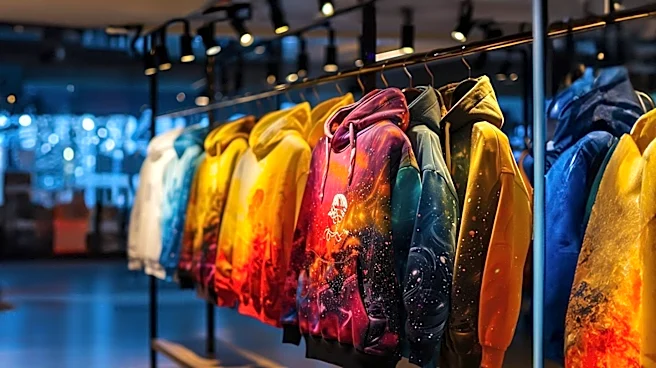


A great coat is the anchor of any cold-weather wardrobe. But what separates a coat that just keeps you warm from one that looks truly expensive? It’s not the price tag. The secret is in the construction—a language of details most shoppers miss.
The Unseen Architecture
The most
significant indicator of a coat's quality is something you can't even see: its internal structure. Cheaper coats often use a method called fusing, where a stiff interfacing is glued to the outer fabric to give it shape. This creates a rigid, lifeless garment that can bubble or warp over time. Higher-quality coats, by contrast, use a sewn-in canvas interlining, traditionally made with materials like horsehair. This 'floating' canvas allows the coat to drape naturally and mold to your body, creating a far more elegant silhouette. You can often spot the difference by feeling the lapel; a canvassed lapel will have a soft, three-dimensional roll, while a fused one feels flat and stiff.
Read the Fabric Label
The material is the first thing you notice, and it speaks volumes. An expensive-looking coat starts with a quality fabric that has a substantial feel without being overly heavy. While synthetics have their place, natural fibers like wool, cashmere, and alpaca are hallmarks of quality because they offer resilience, warmth, and a superior drape. Before you even try a coat on, check the composition label. A high percentage of virgin wool or a blend with cashmere is a great sign. These fabrics not only feel better but also resist pilling and hold their shape for years, making them a wise investment.
Inspect the Stitching
Turn a coat or a seam inside out to learn its secrets. The quality of the stitching is a dead giveaway. Look for stitches that are dense, straight, and even, with no loose threads. More stitches per inch mean a stronger, more durable seam that's less likely to fail at stress points like the shoulders and pockets. Another sign of careful construction is pattern matching. On a striped or checked coat, a manufacturer that takes the time to align the pattern perfectly across the seams is signaling a higher standard of craftsmanship.
Don’t Forget the Lining
The inside of a coat is just as important as the outside. Many shoppers overlook the lining, but it's a huge clue to the garment's overall quality. A cheap coat will often have a flimsy, static_prone polyester lining that feels unpleasant and doesn't breathe. A well_made coat, however, will feature a smooth, silky lining made from materials like cupro or viscose, which allow the coat to slide on easily over other clothing. The lining should be neatly sewn, lie flat without bunching, and sometimes even feature thoughtful details like internal piped pockets.
Solid Hardware Signals Quality
Buttons, zippers, and other closures are small details that make a big impact. Flimsy plastic buttons or zippers that snag can instantly cheapen the look of a coat. Look for hardware that feels solid and substantial. High_quality coats often use buttons made of natural materials like horn or corozo, which are more durable and develop a beautiful patina over time. The buttons should also be securely attached, often with a thread 'shank' that creates a small space between the button and the fabric, allowing it to fasten without pulling.
The Importance of Fit
Finally, even the most well_made coat will look cheap if it doesn't fit properly. The most critical area is the shoulders; the seam should sit right at the edge of your shoulder. Unlike other areas, shoulders are difficult and expensive to alter, so they should be right from the start. A quality coat is designed to move with you, allowing for comfortable layering without pulling across the back or feeling restrictive. The cut should create a flattering proportion, falling naturally without appearing stiff or shapeless.