






More Than a Megaphone
For most of Hollywood, a trip to New York Comic Con is about making noise. It’s a chance to blast a new trailer across the internet, show off a star-studded cast, and generate media buzz. But for a specific and growing category of television—the kind
with sprawling histories, complex magic systems, or galaxy-spanning politics—the convention serves a deeper purpose. Shows like Prime Video’s upcoming “Blade Runner 2099” or Paramount's “Avatar: Seven Havens” don’t just come to NYCC to talk at their audience; they come to talk with them. In a packed hall at the Javits Center, a show with a labyrinthine plot isn't just promoting itself; it's actively maintaining its narrative health. It’s a live, high-stakes conversation that separates the shows that will build a lasting fandom from those that will collapse under the weight of their own complexity.
The Q&A as Narrative First Aid
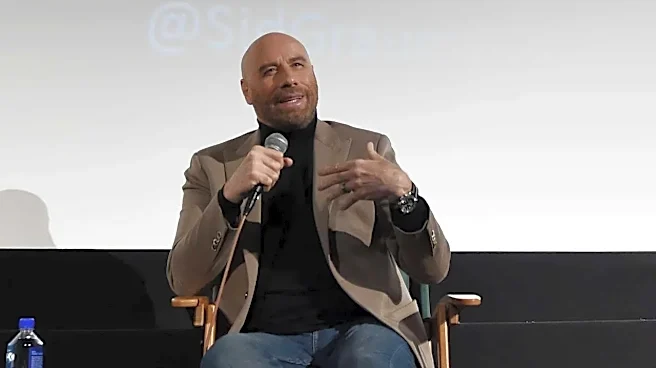
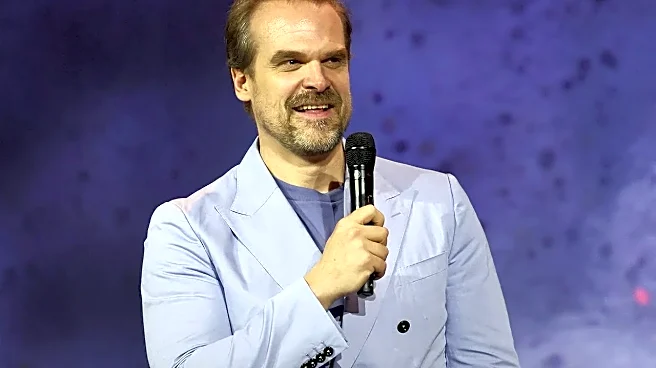
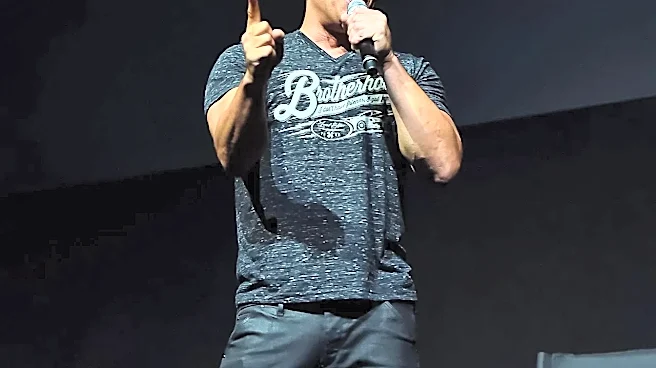
The heart of this advantage lies in the humble panel Q&A. To an outsider, it might look like a simple fan service moment. But for a series with dense lore, it's a crucial diagnostic tool. This is where the most dedicated fans—the ones who rewatch episodes, debate theories on Reddit, and notice every potential plot hole—get a direct line to the creators. Questions about a character's confusing motivation, the specific rules of a sci-fi universe, or a seemingly contradictory piece of history aren't just curiosities; they are red flags for the writers. When a showrunner for a series like AMC's “Mayfair Witches” takes the stage, they aren’t just fielding questions; they are getting a real-time report on what parts of their story are successfully landing with the audience and which parts are causing confusion. This interaction allows them to clarify murky plot points and reassure fans that yes, there is a plan, turning potential frustration into renewed engagement.
Testing the Waters and Correcting Course
Comic Con panels can also act as a low-risk testing ground for future storylines. The energy in the room provides instant feedback that months of network data analysis can’t replicate. You can feel it when a character reveal lands perfectly or when a teased plot direction is met with a collective groan. For example, Marvel's panels for its new “Midnight Universe” comics line at NYCC 2026 were described as the 'first live read on whether the horror line actually landed.' The same is true for its television counterpart, “VisionQuest.” Showrunners hear firsthand which fan theories are gaining traction and which characters are resonating unexpectedly. While a show won't pivot its entire plot based on a few questions, this direct feedback is invaluable. It can influence how a story is framed in the next season, which minor characters get more screen time, and which confusing elements need to be explained more clearly on screen, preventing the narrative from drifting into incoherence.
Building an Army of Evangelists
Ultimately, the hidden advantage of NYCC is about creating a legion of educated, passionate advocates. Shows with dense lore require more buy-in from viewers than a straightforward sitcom or procedural. By giving the most dedicated fans direct access to creators and a sense of ownership over the story, studios transform them from passive viewers into active evangelists. These are the fans who will go back to social media, forums, and group chats and become the primary source of clarity for more casual viewers. They explain the complex backstory, defend the show against criticism, and build the grassroots excitement that keeps a series alive. Immersive off-site experiences, like the one for “Blade Runner 2099,” deepen this connection, making fans feel like part of the world, not just consumers of it. In a crowded media landscape, this passionate army is a show’s most powerful and sustainable marketing tool, and it’s forged in the fires of a Comic Con panel.