






The Power of Nostalgia
The simplest answer is often the most powerful: nostalgia sells. For millions of fans, soccer isn’t just a game they watch now; it’s woven into the fabric of their lives. A jersey that echoes the design worn during their first World Cup, or by a childhood
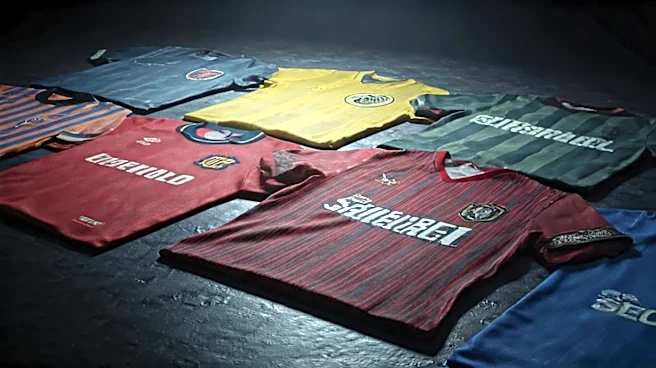
hero, is an instant emotional shortcut. When Germany wore a 2022 kit with a central black stripe, it was an immediate callback to their iconic 1990 World Cup-winning jersey. This isn't just a shirt; it's a wearable memory of Jürgen Klinsmann’s soaring headers and Lothar Matthäus lifting the trophy. Brands like Adidas and Nike understand this deeply. They aren't just selling polyester; they're selling access to a feeling, a moment in time when you fell in love with the game. These retro designs allow a 40-year-old fan to feel a connection to their 10-year-old self, and to share that history with a new generation.
A Commercially Safe Bet
From a business perspective, radical innovation is risky. For every bold new design that becomes an instant classic, there are a dozen that are met with fan outrage and dismal sales. Remember the backlash some teams faced for overly abstract or template-based designs in the 2010s? By contrast, a throwback-inspired kit is almost always a commercial home run. The designs have already been market-tested by history. Fans loved them once, and with the cyclical nature of fashion, they’re primed to love them again. For a brand investing millions in a World Cup campaign, launching a kit inspired by a universally beloved classic—like Argentina’s timeless albiceleste stripes or the Netherlands’ vibrant orange—is the safest and most effective way to guarantee massive sales. It’s a pre-approved hit, minimizing the risk of a costly design flop on the world's biggest stage.
Reinforcing National Identity
A national team’s jersey is more than just a uniform; it's a flag. It’s the single most potent visual symbol of a country's footballing identity. Over time, certain designs become synonymous with a nation’s style of play and history. Brazil’s canary yellow represents flair and joy (the *joga bonito*). Italy’s *Azzurri* blue signifies defensive grit and tactical intelligence. When designers return to these classic aesthetics, they are reinforcing this visual lineage. They are drawing a direct line from the current squad of superstars back to the legends of the past. It’s a statement that says, “We are the heirs of Pelé, of Maradona, of Cruyff.” This creates a powerful sense of continuity and destiny that resonates with players and fans alike, turning a simple garment into a symbol of a nation's enduring soccer soul.
The Rise of 'Blokecore' Fashion
The trend isn't just happening on the pitch; it’s exploding on the streets. The rise of “blokecore” or “terrace fashion” has seen soccer jerseys—particularly vintage and retro ones—become a staple of mainstream style. Fashion influencers and celebrities are spotted wearing classic kits from the '80s and '90s, driving up demand and cultural cachet. This creates a powerful feedback loop. As vintage jerseys become cooler off the pitch, the appetite for on-pitch kits that mimic that aesthetic grows. Kit manufacturers are keenly aware of this. They design modern kits with one eye on performance and the other on how it will look with a pair of jeans. By releasing a retro-inspired jersey, they are simultaneously catering to the die-hard fan in the stadium and the fashion-conscious consumer, effectively doubling their market.