




We’ve all been there: one shirt collar stands perfectly, framing your face like it was custom-made, while another collapses into a sad, limp mess. The culprit isn't what you see, but the unsung hero hiding underneath: the collar stand.
The Part You Know: The Collar
Let’s start with
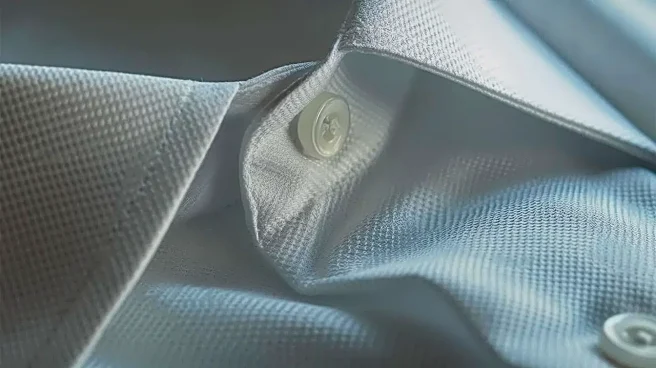
the basics. The collar is the visible, folded-over piece of fabric that encircles the neck. Its points, spread, and shape—like a classic point, a wider spread, or a casual button-down—are what we typically focus on. For decades, the collar has been seen as the primary feature that dictates a shirt’s formality and style. It frames the face and, when a tie is worn, provides the setting for the knot. But the collar itself is mostly just fabric; it has very little structural integrity on its own. Its ability to look sharp or sloppy is almost entirely dependent on the part it's attached to.
Meet the Unsung Hero: The Collar Stand
The collar stand is the small band of fabric that connects the collar to the shirt's neckline. If you pop your collar, you'll see it—it's the sturdy strip that actually circles your neck. Think of it as the foundation of a building. Without a solid foundation, even the most beautifully designed structure will collapse. The same is true for your shirt. The collar stand provides the height and structural support that allows the collar to do its job properly. It’s typically made with a stiffer interfacing to give it body and shape, ensuring it rises from the neckline correctly.
The Architecture of a Great Look
So, how exactly does the stand control the look? It comes down to two key factors: height and angle. The height of the collar stand determines how high the collar sits on your neck. A taller stand lifts the entire collar, helping it clear the collar of a blazer or sport coat, which creates a clean, sophisticated line. A short or flimsy stand is the reason collars often disappear under your lapels. The angle of the stand is just as critical. A well-constructed stand is curved to follow the shape of your neck. This ensures it sits smoothly without gaping or bunching. If the stand is too straight, it will push away from your neck, causing the front of the shirt (the placket) to buckle and the collar to sit awkwardly forward. In essence, the stand dictates the 'roll' of the collar—that elegant curve from the front to the back—and ensures the collar points down neatly instead of flaring out.
Why This Matters for a Tieless World
As ties become less common in many offices and social settings, the collar stand’s role has become even more important. A tie and its knot provide a lot of structural support, essentially holding the collar in place. Without one, the collar is on its own, and a weak stand means instant collapse. A shirt with a robust collar stand will maintain its shape when worn open, framing your face and keeping the front placket from looking sloppy. This is the secret to looking put together and intentional in business casual attire, rather than looking like you just forgot your tie.
What to Look for When You Shop
Now that you’re in on the secret, you can shop for shirts with a more discerning eye. Before you buy a dress shirt, pay attention to the collar stand. Feel it. Is it firm and substantial, or does it feel thin and flimsy? Check its height—especially if you plan to wear it with jackets. A taller stand is generally better for a structured look. For men with longer necks, a higher stand can be particularly flattering, while those with shorter necks might prefer a slightly lower one to avoid feeling constricted. When you try the shirt on, button it up and see how much weight it carries properly or if it immediately looks like it wants to lie flat? Giving the collar stand a moment of consideration will do more for your style than almost any other detail on any shirt.