






More Than Just a Meal
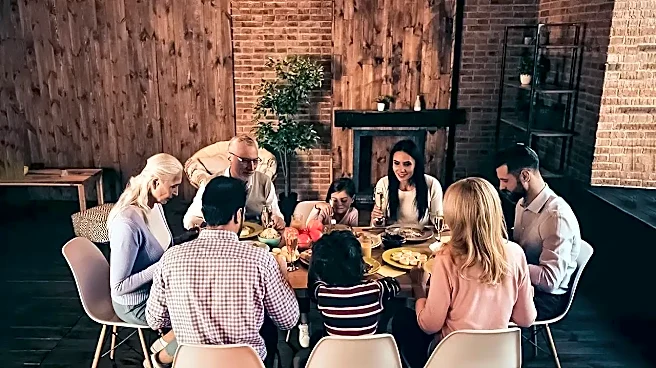
On the surface, the scene is simple: The Tuohy family, accustomed to eating Thanksgiving dinner while watching football on TV, is disrupted by their new houseguest, Michael Oher. When Michael quietly takes a plate to the formal dining room to eat alone,
it sets off a chain reaction. This moment serves as the film’s emotional turning point. It's where Michael transitions from a temporary guest into a potential member of the family. Leigh Anne Tuohy, seeing him at the empty table, makes a decisive choice: she turns off the football game and moves the entire family to join him. This single action breaks the family's routine and signals a new beginning, shifting the group's dynamic permanently.
A Mirror for Every Character
Dinner scenes are classic storytelling tools because they force characters into a shared space, revealing their true natures. This one is no exception. For Leigh Anne (Sandra Bullock), her directive to join Michael at the table showcases her commanding, take-charge compassion. It’s not a suggestion; it’s an order rooted in a fierce maternal instinct. For her husband, Sean (Tim McGraw), his easy compliance shows his quiet, steady support for his wife’s convictions. For the kids, S.J. and Collins, it represents their own journeys toward accepting Michael. And for Michael himself, his initial choice to sit at the table is a profound, non-verbal expression of his yearning for the structure and belonging a family dinner represents—something he has never had.
The Symbolism of the Table
The scene works so well because of its powerful visual symbolism. The Tuohys' normal routine—eating scattered in the living room—symbolizes a casual, comfortable life but also a degree of disconnectedness. The formal dining room, by contrast, is a space of intention and tradition. When Michael sits there, he isn't just choosing a different room; he's choosing a different kind of life, one centered on family rituals. When Leigh Anne brings the family to him, they are not just changing their dinner plans; they are accepting his unspoken plea for connection and formally inviting him into their circle. The act of joining hands for grace solidifies this new union, transforming an awkward moment into a sacred one.
Crafting the Central Myth
'The Blind Side' is, at its core, a modern fairy tale about transformation. The Thanksgiving dinner is the emotional centerpiece of that narrative. It’s the scene that most purely crystallizes the film's 'white savior' trope, for better or worse, by presenting a simple, powerful solution to complex social problems: kindness and inclusion. Here, the chaos and trauma of Michael's past are temporarily silenced by the quiet dignity of a shared meal. This moment anchors the audience's emotional investment in the story, making them root for this newly formed family unit. It sells the core fantasy of the film: that a loving home is all it takes to heal deep wounds and unlock hidden potential.
A Complicated Legacy
In recent years, the real-life story behind 'The Blind Side' has become more complicated, with Michael Oher publicly stating that the movie's portrayal damaged his career and alleging that the Tuohys misled him. This off-screen context inevitably forces a re-reading of its most iconic scenes. The Thanksgiving dinner, once viewed as a simple, heartwarming moment of acceptance, can now feel more like a carefully constructed piece of cinematic myth-making. Does it diminish the scene's effectiveness as a story device? Not necessarily. It remains a powerful example of how filmmakers use specific events to shape an audience's perception and emotional journey. However, it highlights the gap that can exist between a true story and the polished, narrative-driven version we see on screen.