



The Show Is Just the Starting Gun
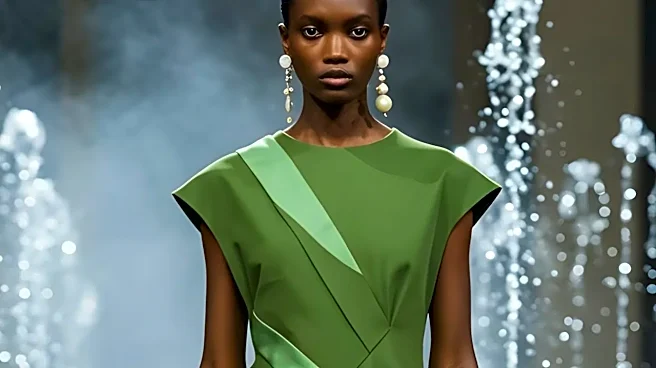
Long before a pop star ever sees a garment, the process begins the second a model walks down the runway. For the world’s top celebrity stylists, fashion month is an intense scouting mission. They aren't just watching the show; they're strategizing. As
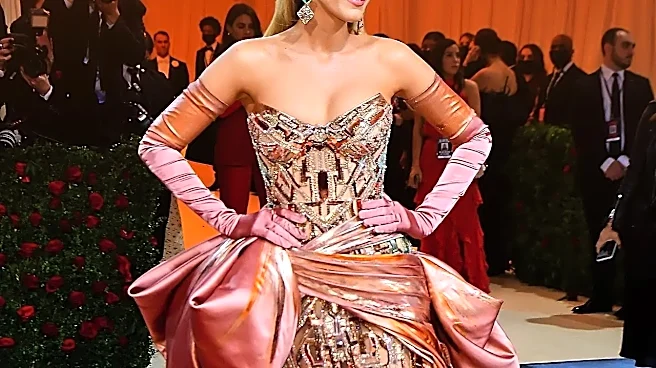
looks debut in Paris, Milan, or New York, stylists are already sending rapid-fire texts to the fashion house's public relations team. They are placing a tentative "hold" on a specific piece—often a one-of-a-kind sample. This kicks off a frantic, behind-the-scenes race. Multiple stylists for multiple A-listers might be vying for the exact same dress for the same major event, like the Oscars or the Met Gala. The fashion house now has the power, and they must decide who gets the coveted look.
The Art of the 'Call-In'
Securing the look isn’t as simple as asking nicely. It’s a complex negotiation handled by the celebrity's stylist. Their currency is a mix of relationships, influence, and the perceived value of their client. Designers and their PR teams treat these runway samples as priceless marketing assets. They will almost always lend the garment for free, but in exchange, they need a guaranteed return on their investment: visibility. A stylist for an established superstar has an easier time, but a stylist for a rising artist has to pitch the value, promising significant media coverage. The brand weighs the prestige of the star against the importance of the event to calculate the potential "Media Impact Value." A major red carpet appearance can be worth hundreds of thousands of dollars in brand equity.
From Sample Size to Custom Fit
Once a look is secured, the real work begins. Runway samples are almost always a standard size 2 or 4, made to fit a specific model. Pop stars, like most people, don’t fit those exact dimensions. This is where the fitting session becomes crucial. The garment is shipped, often with its own security and insurance, to the stylist. During the fitting, a team of expert tailors and seamstresses works to alter the piece directly on the star's body. This isn't just about hemming a dress; it can involve deconstructing and rebuilding sections, adding hidden panels for movement, or changing necklines. For music videos or stage performances, duplicate garments are often created—one for beauty shots and another reinforced for intense choreography. The goal is to perfect the fit while preserving the designer's original vision.
The Afterlife of an Iconic Gown
So, does the celebrity get to keep the six-figure couture gown? Almost never. The day after the event, the garment is meticulously checked, cleaned, and returned to the designer. From there, its journey continues. Many of the most important pieces are retired into the fashion house's permanent archive. These climate-controlled vaults act as a library of the brand's history, preserving iconic moments and serving as inspiration for future collections. On rare occasions, if a look becomes a culture-defining moment—like Jennifer Lopez's green Versace dress from the 2000 Grammys—the house may gift it to the celebrity. Otherwise, the dress that created a global sensation is carefully put away, its public life over after just one night.