




Beyond the Basics of Body Acne
Anyone who has dealt with breakouts on their back and chest—often called "bacne" and "chestne"—knows the standard advice by heart. Use a body wash with salicylic acid, shower immediately after exercising, wear clean, breathable clothing, and wash your
sheets regularly. While this is all excellent and necessary advice, for many people, it’s simply not enough to clear persistent breakouts. The skin on the body, particularly the back, is thicker than the skin on the face, which can make it more resistant to treatment. The pores are also larger and can become easily clogged with oil, dead skin cells, and bacteria, creating a perfect storm for stubborn pimples, blackheads, and even painful cysts. This is where a more targeted, yet surprisingly simple, dermatological strategy comes into play.
The Real Game-Changer: 'Short Contact Therapy'
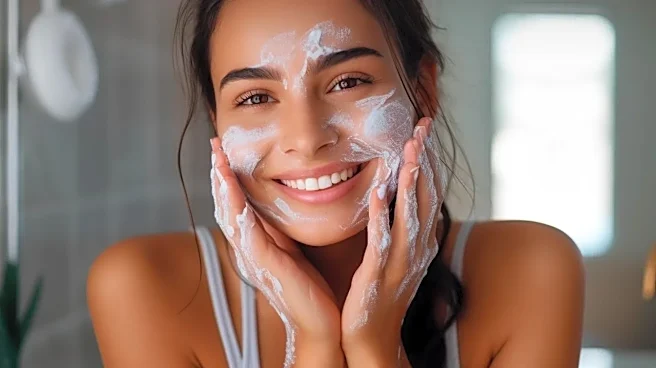
The hidden step many dermatologists recommend isn't a secret, expensive product, but a specific technique: short contact therapy with benzoyl peroxide. Instead of just quickly washing your body with a benzoyl peroxide cleanser and rinsing it off, you apply the wash to the affected areas and let it sit for two to five minutes before rinsing. This small change makes a massive difference. Giving the benzoyl peroxide time to sit on the skin allows the active ingredient to penetrate the thicker skin of the back and chest and effectively kill the acne-causing bacteria (C. acnes) lingering in your pores. Benzoyl peroxide works by releasing oxygen, which creates an environment where acne bacteria cannot survive. This method delivers the powerful benefits of the ingredient without the high risk of irritation, dryness, and peeling that can come from leave-on benzoyl peroxide treatments.
How to Put It Into Practice
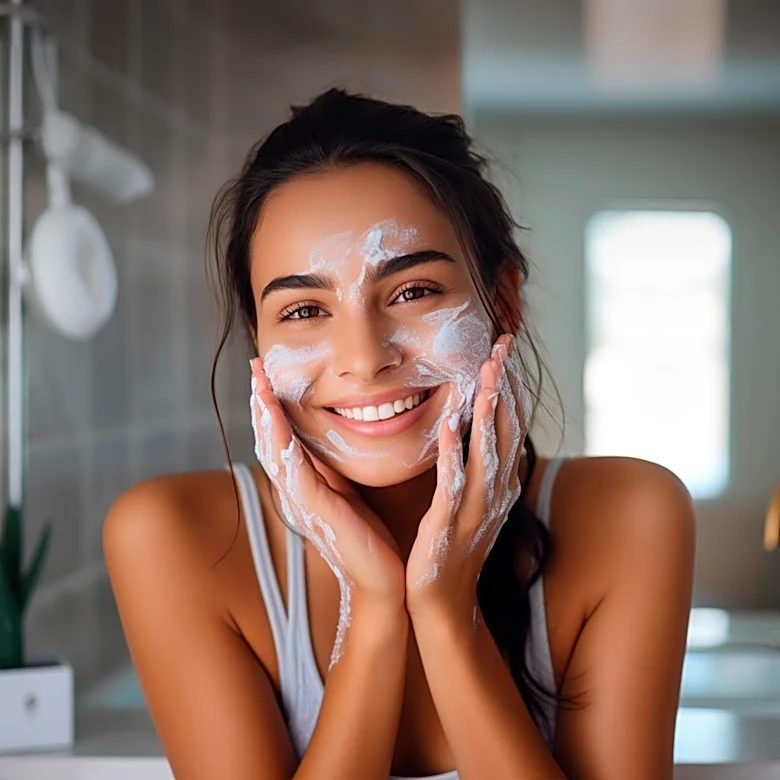
Incorporating short contact therapy into your routine is straightforward. In the shower, after wetting your skin, apply a benzoyl peroxide wash with a concentration between 2.5% and 5.3% to your back, chest, and shoulders. While a 10% concentration is available, starting lower helps prevent excessive dryness. Gently massage it into the skin and then let it be—this is a perfect time to wash your hair or brush your teeth. After two to five minutes have passed, rinse the product off thoroughly. A crucial tip: Benzoyl peroxide is notorious for bleaching fabrics, so be sure to rinse completely and use white towels to avoid staining your favorite linens. Follow up with a lightweight, oil-free, or "non-comedogenic" moisturizer to keep your skin hydrated without clogging pores.
Supporting Habits That Make a Difference
While short contact therapy is a powerful tool, a few other less-common habits can support your efforts. Pay attention to your hair products; thick conditioners and styling creams can run down your back in the shower and clog pores. Try tilting your head to the side when rinsing conditioner and make sure to wash your body after rinsing your hair. Additionally, while scrubbing might feel satisfying, it can irritate the skin and make acne worse. Opt for gentle cleansing with your hands or a soft cloth. Finally, resist the urge to pick or pop any blemishes, as this can lead to inflammation, infection, and long-lasting scars.