





The Problem: The Tyranny of the Spreadsheet
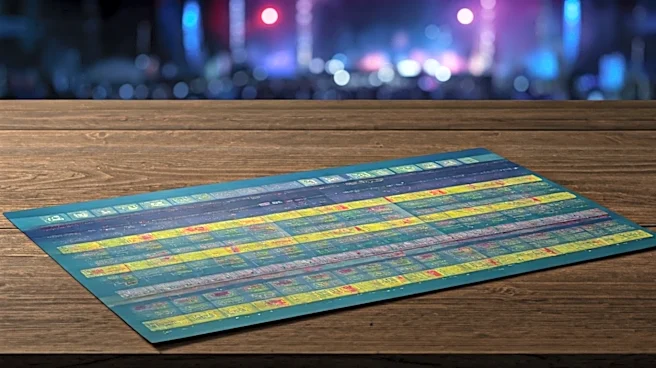
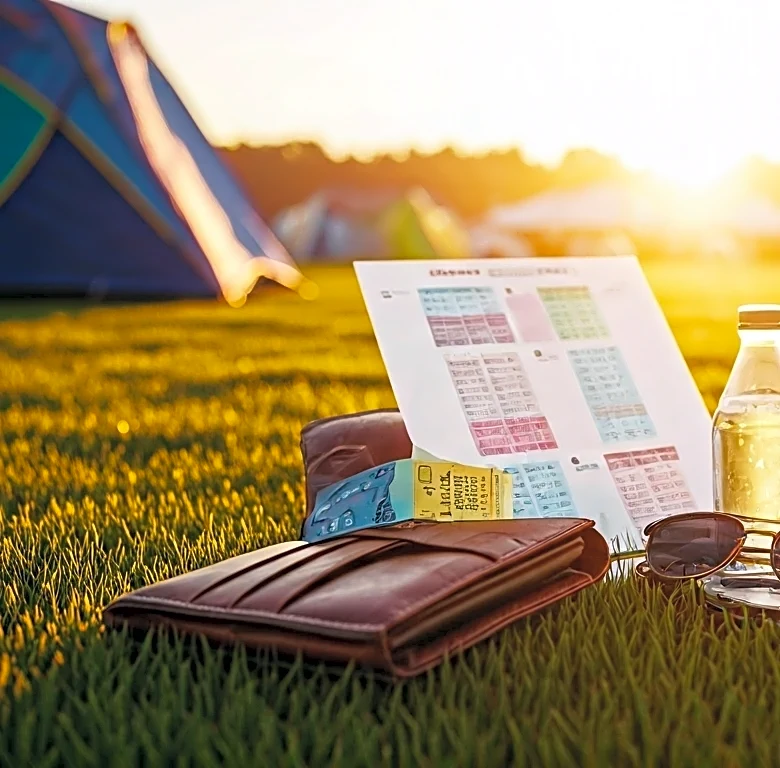
Every year, it’s the same story. The daily schedules drop, and a certain kind of fan immediately opens a spreadsheet. They map out a minute-by-minute itinerary, trying to cram in 25 bands a day, convinced they can teleport from the What Stage to a tent
for a 15-minute slice of an indie act. By Saturday afternoon, they’re a zombie—sun-scorched, demoralized, and having missed half their 'must-sees' because they underestimated the 20-minute trek in thick mud or the siren song of a spicy pie. This approach treats Bonnaroo like a business meeting. It’s not. It’s a marathon of joy, and a rigid, over-packed schedule is the fastest way to hit the wall before the headliner even starts.
The Hack: The '3-5-1' Rule
The secret isn't to see more; it's to experience more. Enter the '3-5-1' Rule, a simple framework for building a flexible, sustainable, and ultimately more rewarding festival day. Instead of a long list, you identify just three things: your top priority 'Must-See' act, a handful of 'Wanna-See' artists you’d be happy to catch, and one 'Wild Card' slot. The Must-See is your anchor, the non-negotiable set you plan your day around. The Wanna-Sees are your flexible options—if you catch two or three, it's a huge win. The Wild Card is a block of time where you deliberately have no plan. This is your 'discover' window. This simple triage forces you to prioritize what truly matters and builds in room for the spontaneous magic that defines the festival.
Building 'Anchor Blocks' Around Your Must-See
Once you have your single Must-See for the day, look at the schedule differently. Instead of jumping between stages, create 'Anchor Blocks' of two to three hours. If your Must-See is at the Which Stage at 9 PM, plan to get to that side of the festival grounds around 7 PM. Use the time before your main event to see whoever is playing on that stage or nearby tents. You’ll save a colossal amount of energy by not crisscrossing the entire festival site. This turns a frantic dash into a relaxed exploration of one corner of The Farm. You get a good spot for your favorite act, conserve precious energy, and probably discover a new band you wouldn't have planned to see otherwise. It's about being geographically smart.
Embrace the 'Wild Card' Window
This is crucial. The '1' in the '3-5-1' Rule stands for one block of scheduled freedom. This is a 90-minute to two-hour window where your only goal is to wander. Follow a sound, check out the art installations, sit in the grass and listen to a DJ you’ve never heard of at a silent disco, or just grab a beer at The Grind. The most legendary Bonnaroo moments are rarely the ones you plan. They're the ones that happen when you stumble upon a surprise set at a pop-up stage or make friends with your neighbors during a low-key afternoon show. By scheduling spontaneity, you give yourself permission to let the festival happen to you, freeing you from the pressure of always being somewhere else.
Schedule the Strategic Retreat
Finally, the most overlooked part of any festival schedule is rest. A true veteran move is to plan a 'Strategic Retreat' back to your campsite during the late afternoon lull, typically between 4 PM and 6 PM. The sun is at its most brutal, and there's often a slight dip in can't-miss programming. Use this time to refuel, rehydrate, change clothes, and just sit down for 45 minutes. It might feel like you're 'missing' something, but you're not. You're investing in your night. This single act of self-preservation is what separates the fans who are high-fiving strangers at a 3 AM sunrise set from those who passed out in their tents at 11 PM.