
The Mistake: Fighting Your Natural Lines
The most common color-blocking error isn't about choosing clashing colors; it’s about where you place the color breaks. When blocks of color create multiple strong, horizontal lines, especially in unexpected places, the outfit can feel “choppy.” Think
of a bright top ending at the widest part of your hips, paired with pants in a contrasting color and different colored shoes. Each color break forces the eye to stop, which can visually shorten your silhouette and make the overall look feel disconnected. The goal is to create harmony, not visual static. An outfit that cuts you in half (a 50/50 split between top and bottom) is often the primary culprit, creating a boxy effect rather than an elegant, elongated line.
The Fix: Embrace the Rule of Thirds
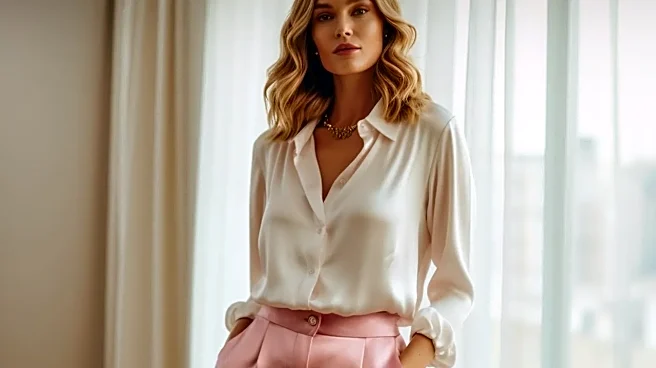
The secret weapon used by artists and designers for centuries is the Rule of Thirds, and it works wonders for fashion. Instead of a 50/50 split, aim for a more aesthetically pleasing 1/3 to 2/3 ratio. This could mean a shorter top (the 1/3) paired with high-waisted pants (the 2/3). A front-tucked shirt or a cropped jacket are easy ways to achieve this. Alternatively, you can flip the ratio with a longer top or tunic (the 2/3) over slim-fit pants (the 1/3). This simple shift in proportion creates a more balanced and visually pleasing silhouette that guides the eye smoothly up or down your frame.
Create a Column of Color
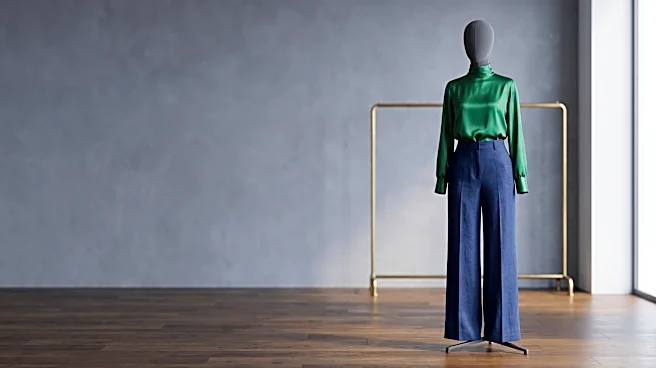
One of the most effective ways to counteract a choppy look is to create an unbroken vertical line. This is known as creating a “column of color.” Try wearing a top and pants or a skirt in the same color, like all black, navy, or even a bold red. Then, add your second color block with a contrasting jacket, blazer, or long cardigan. This draws the eye vertically, making you appear taller and more streamlined. The outer layer provides the color-block punch, but the inner column preserves a sense of length and cohesion, completely sidestepping the risk of a choppy effect.
Strategize with Color Weight and Placement
Not all colors carry the same visual weight. Darker colors tend to recede, while brighter, lighter colors advance and draw attention. You can use this to your advantage. If you want to highlight your upper body, wear a vibrant color on top and a darker, more subdued shade for your pants or skirt. To elongate your legs, try bright or light-colored pants with a neutral top tucked in. This strategic placement allows you to sculpt your silhouette, drawing focus to the areas you want to emphasize and creating a more intentional, flattering look.
Keep It Simple and Structured
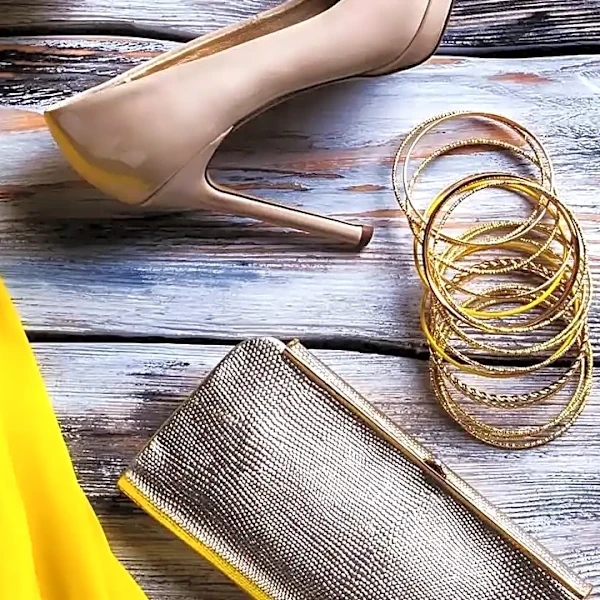
Successful color-blocking thrives on simplicity. The technique itself is the statement, so let the colors do the talking. Stick to clean lines and structured pieces, as busy patterns, ruffles, or excessive textures can compete with the color blocks and create a chaotic feel. It’s also wise to limit your palette to two or three colors per outfit. A dominant color can make up the bulk of the look, with a secondary color supporting it and a third used as a small accent, perhaps in a bag or shoes. This ensures the look feels curated and chic, not like a happy accident.