

The Problem with Powder in the Sun
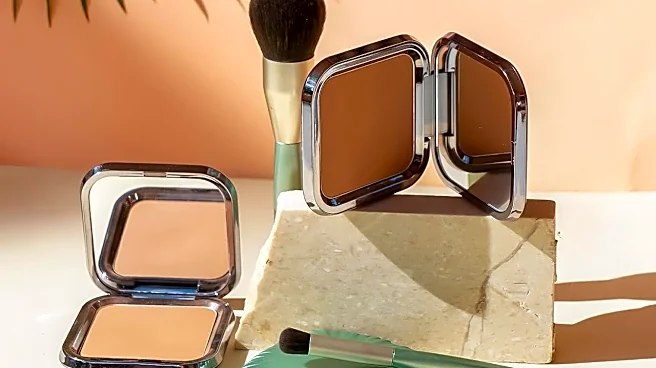
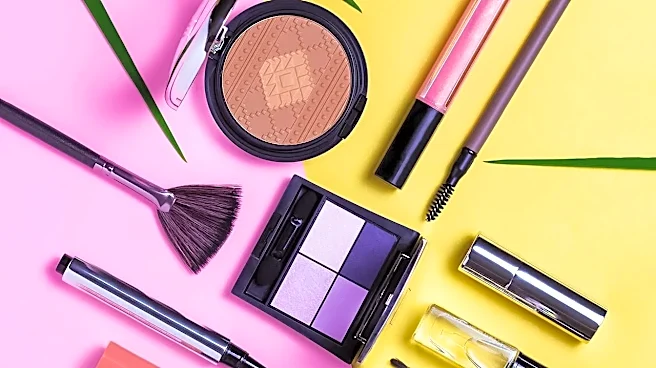
Powder bronzers have been a staple for decades, prized for their mattifying properties and ease of application. However, their texture can be their downfall in bright, direct sunlight. Natural daylight is notoriously honest; it reveals every detail on your
skin's surface. Fine powder particles have a tendency to sit on top of the skin rather than melding with it. In the sun, this can translate into a finish that appears flat, chalky, or even slightly muddy. The particles can settle into fine lines or cling to dry patches, emphasizing texture and creating a visibly “makeup-y” look that looks unnatural. While perfect for a controlled indoor environment, the very properties that make powder great for absorbing oil can work against you outdoors, creating a finish that lacks the dimension and vibrancy of naturally sun-warmed skin.
Cream's Seamless, Second-Skin Advantage
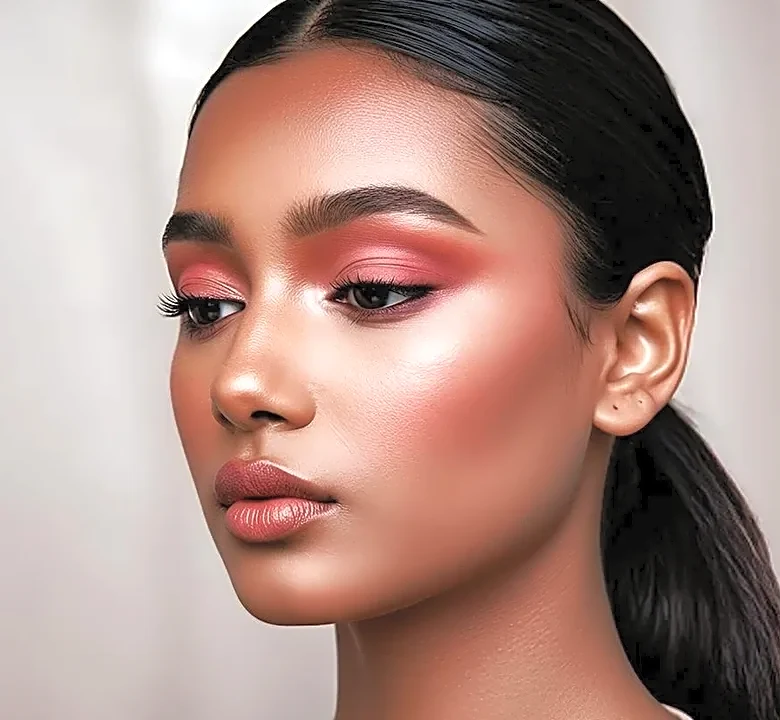
This is where cream bronzers truly shine—pun intended. Unlike powders, cream formulas are emollient-based, meaning they are designed to melt into the skin. Their texture mimics the skin’s own natural finish, creating a warmth that appears to come from within, rather than sitting on top. This seamless blend is crucial for outdoor settings. Cream bronzers catch the light in a soft, diffused way, delivering a dewy, healthy-looking glow that looks entirely believable. They work with your skin's texture instead of fighting against it, providing a luminous finish that enhances your complexion without masking it. The result is a subtle sculpting and warmth that looks like you just spent a week on vacation, not an hour at your vanity.
Application Makes All the Difference
The secret to unlocking the magic of cream bronzer is in the application. While powders are often swept on with a large, fluffy brush, creams respond best to warmth and precise placement. Many makeup artists recommend using your fingers to tap and blend the product onto the skin. The warmth from your fingertips helps the formula melt for an even, natural application. You can also use a dense brush or a damp makeup sponge for a similarly airbrushed effect. The key is to start with a small amount and build gradually, focusing on the high points of the face where the sun would naturally hit: the temples, the top of the cheekbones, the bridge of the nose, and the jawline. This technique ensures the color is diffused and without any harsh lines, a dead giveaway of artificial bronze in daylight.
Addressing Longevity and Skin Type
A common concern with cream products is their staying power, especially for those with oily skin. It's true that powders, with their oil-absorbing properties, have traditionally been the go-to for longevity. However, modern cream formulas have come a long way, and a few simple tricks can make them last all day. After applying your cream bronzer, you can set it with a very light dusting of translucent powder, using an airy brush to avoid a cakey look. Alternatively, a good setting spray can lock everything in place while maintaining that coveted dewy finish. For a truly bulletproof application, some artists even layer a powder bronzer very lightly on top of a cream bronzer to get both the dimension of the cream and the staying power of the powder.