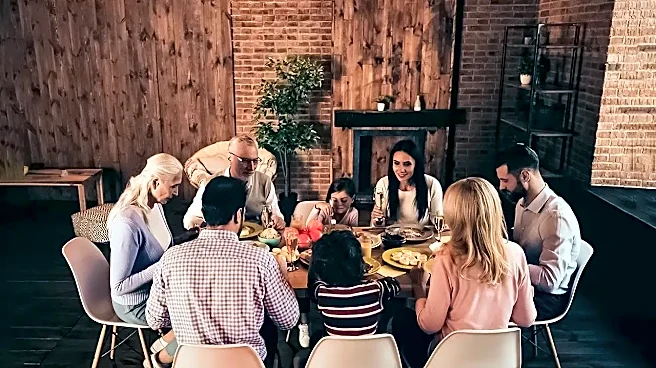




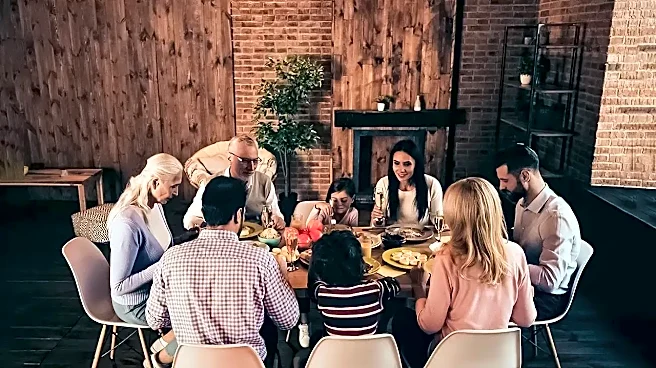
Think of the classic Thanksgiving movie. It’s not about sweeping vistas or exotic locales. It’s about a crowded house, a chaotic kitchen, and a dinner table crackling with tension. These films are deliberately small, and for good reason.
The Pressure Cooker Premise
Thanksgiving movies
are fundamentally about the drama that erupts when a family is forced into a confined space for an extended period. Much like the holiday itself, these films thrive on a pressure-cooker environment where old wounds, simmering resentments, and unspoken truths have nowhere to go but out. Films like Jodie Foster's 'Home for the Holidays' are masterclasses in this. The setting—a childhood home in Baltimore—is less a location and more a container for unresolved history. The drama isn't about what’s happening in the city; it's about what happens when Holly Hunter's character, Claudia, is thrown back into the messy, hilarious, and maddening dynamic of her family. By trapping characters together, filmmakers strip away external distractions. There are no car chases or elaborate set pieces. The action is entirely verbal and emotional, forcing the audience to focus on the intricate dance of dialogue, subtext, and reaction. This narrative claustrophobia ensures that the performances become the main event.
A Stage Play in Disguise
Many of the most memorable Thanksgiving ensemble films share a common ancestor: the stage play. 'The Humans', a film adaptation of the Tony Award-winning play, is a prime example. The story unfolds over one evening in a cramped, rundown Manhattan duplex that becomes a character in itself, amplifying the family's anxieties. Director Stephen Karam intentionally kept the action within the apartment, resisting the urge to 'open up' the play for the screen. This choice highlights a key principle of the subgenre: the setting is a deliberate constraint. Similarly, 'Pieces of April' feels intensely theatrical. Confined mostly to a tiny New York apartment and a family station wagon, the story uses its limited locations to heighten the emotional stakes of April's attempt to host Thanksgiving for her estranged, dying mother. This theatrical structure is also a smart production strategy. A single primary location reduces logistical complexity and saves money, allowing the budget to be allocated to what truly matters in these stories: assembling a top-tier ensemble cast capable of carrying a character-driven narrative.
Character Is the Destination
Unlike a road trip movie where the journey is the point, or a Christmas movie that often fetishizes a picture-perfect town, the Thanksgiving film is about an internal journey. The destination isn't a place, but a state of being—acceptance, forgiveness, or simply survival. The holiday itself is about gratitude and connection, themes that are explored through character interactions, not geography. The essence of these films lies in watching recognizable personalities clash and connect: the nagging mother, the outspoken father, the chaotic sibling, the eccentric aunt. 'Home for the Holidays' is filled with these archetypes, brought to life by a stellar cast including Anne Bancroft, Charles Durning, and Robert Downey Jr. The power of the film comes from the painfully relatable dynamics, not the specific house they occupy. The setting is merely a backdrop for the human drama, a neutral ground where years of shared history can play out over a single meal.
An Actor's Showcase
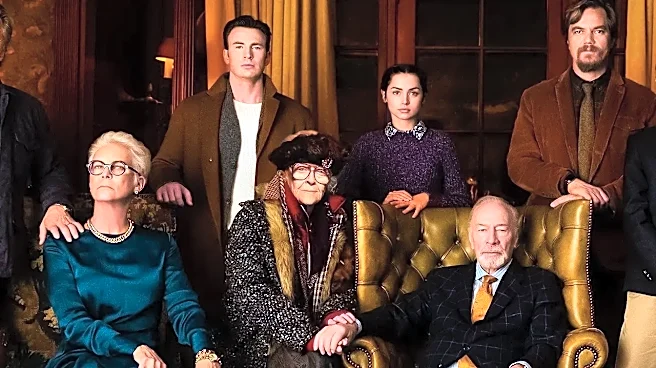
For actors, the Thanksgiving ensemble film is a gift. Without the distraction of complex plotting or visual effects, the screenplay and the performances must do all the heavy lifting. These films are dialogue-rich and emotionally nuanced, providing a platform for actors to deliver powerful, memorable work. Patricia Clarkson's performance as the cynical, cancer-stricken mother in 'Pieces of April' earned widespread acclaim precisely because the film gave her the space to explore deep and complex emotions. Likewise, ensemble casts in films from 'The Ice Storm' to 'Knives Out' (a murder mystery set around a family gathering) thrive on the chemistry and conflict generated between characters. The format allows for quiet, revealing moments between two people just as easily as it accommodates explosive, full-cast dinner table confrontations. It’s an acting showcase where the slightest glance or shift in tone can change the meaning of a scene, making the performers, not the place, the most memorable part of the movie.