


The Rule of Opposites
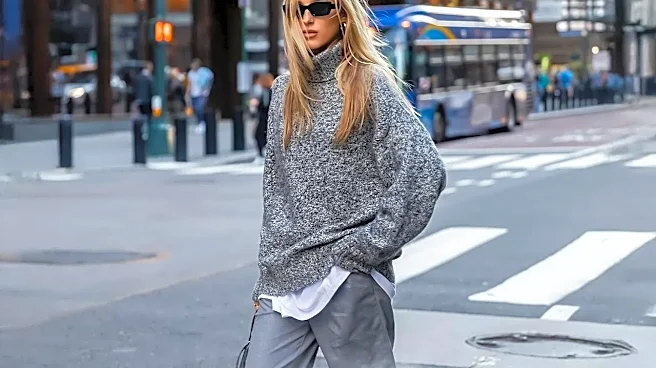
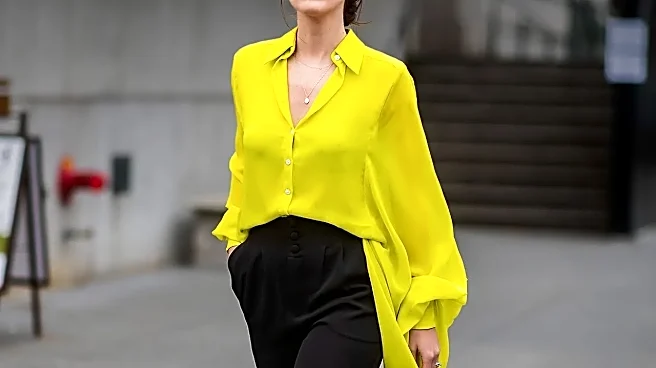
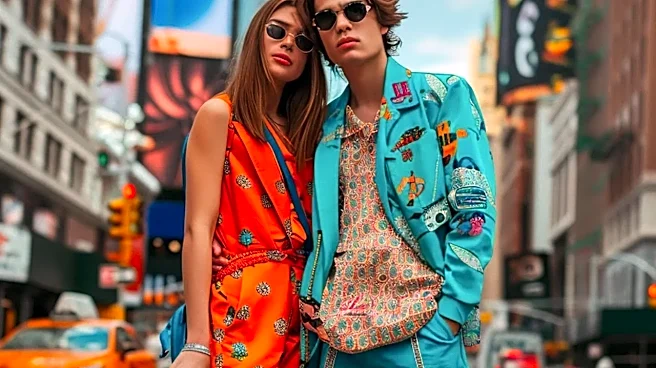
The foundational principle of mixing textures is contrast. Think of it as a conversation between fabrics. If one piece is coarse and structured, its partner should be smooth and fluid. Recent street style from this September's NYFW showcased this beautifully,
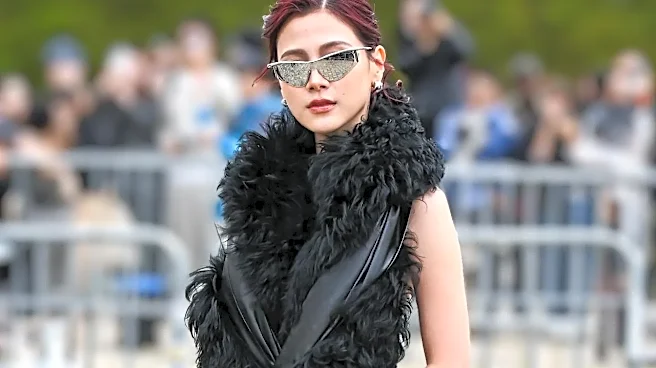
with fashion insiders pairing crisp, oversized denim jorts with delicate, silky camisoles. Another key pairing is rugged and refined. A tough leather jacket, a perennial favorite, gets a modern update when thrown over a soft, sheer, or lace-trimmed dress. The juxtaposition is what creates visual interest and makes an outfit look intentional rather than accidental. Don't overthink it: just pick one piece and find its textural opposite.
Build Around a Hero Piece
To avoid looking like you got dressed in the dark, start with one dominant textured item—this is your 'hero'. It could be a chunky cable-knit sweater, a pair of slick leather pants, a sequined skirt, or a rustic tweed blazer. Let that piece be the star of the show. All other elements should serve to support and enhance it, not compete with it. For example, if your hero is a richly textured tapestry jacket, keep the rest of the outfit simple. Pair it with a plain cotton t-shirt and classic jeans. The different textures are still there—the nubby weave of the jacket, the smooth cotton of the tee, the sturdy twill of the denim—but the visual hierarchy is clear.
The Power of the Third Texture
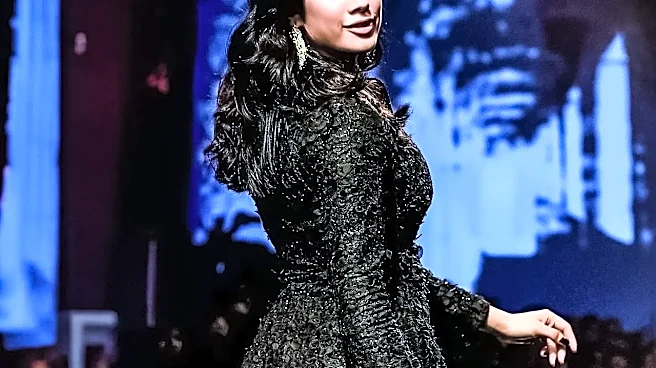
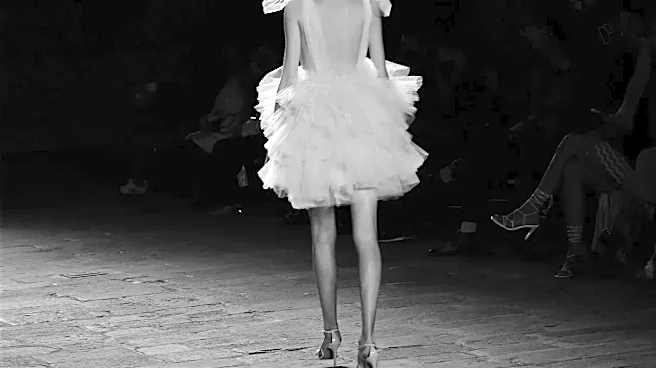
This is the pro move that elevates a good outfit to a great one. Once you have your two primary opposing textures, add a third in a smaller dose, usually through an accessory. Think about adding a suede belt to a silk dress and wool cardigan combo. Or a faux croc-embossed bag with a denim and cashmere outfit. This third point of texture adds depth and a layer of polish. At the Fall 2026 shows, we saw this principle in action with leather skirts paired with soft sweaters, where the look was completed by a metallic belt or a pony-hair clutch. It’s a subtle detail that signals a confident understanding of style.
Use a Monochromatic Palette
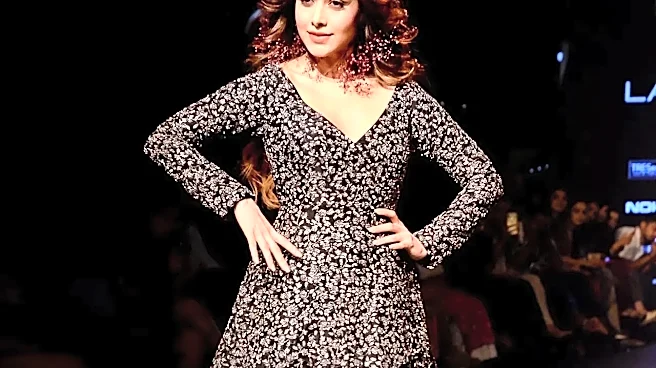
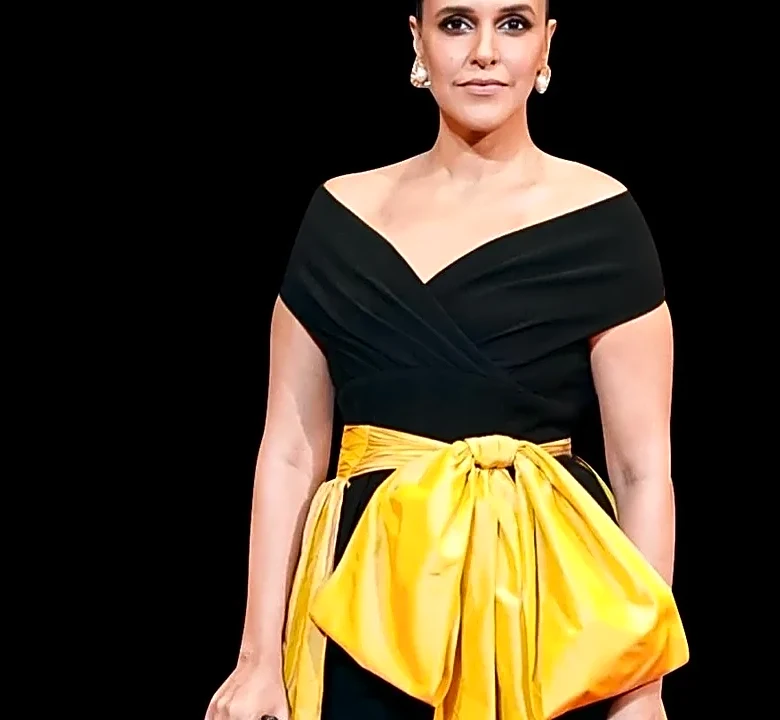
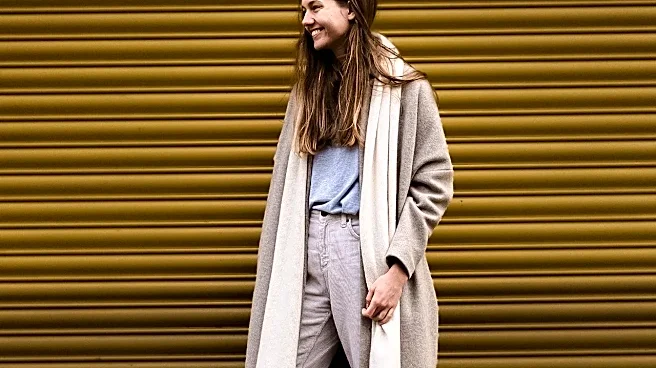
When you're playing with multiple, potentially bold textures, the easiest way to ensure the result is chic and not chaotic is to stick to a single color family. An all-white or all-black outfit composed of different materials—like a cream-colored wool coat, a satin blouse, and corduroy pants—is incredibly sophisticated. The lack of color variation forces the eye to appreciate the subtle differences in how each fabric reflects light and moves. Ralph Lauren's recent Spring/Summer 2027 collection showcased this masterfully, blending humble white cotton tanks with jewel-fringed skirts, proving that a simple color palette allows texture to do all the talking. This approach is a nearly foolproof way to experiment with texture mixing without fear of a misstep.
Layer with Intention
Layering is a natural way to introduce varied textures. This season, cropped jackets are a major street style trend, offering a perfect opportunity to play with proportion and fabric. A short, structured bomber jacket over a longer, flowing crepe dress creates a dynamic interplay of hard and soft. Another emerging NYFW trend is layering sheer or mesh fabrics. Try a transparent organza blouse over a simple knit tank top, or a mesh tunic over trousers. Each layer adds a new textural dimension, building a look that is complex and visually compelling. The key is to make sure each layer is distinct enough to be noticed, contributing its unique character to the overall ensemble.