




From Accidental Stars to Global Icons
It’s hard to imagine 'Despicable Me' without the Minions, but they weren't initially central to the story. Screenwriters Cinco Paul and Ken Daurio originally just wrote “Gru’s minions do this” into the script, imagining them as generic henchmen. It was
the directors, Pierre Coffin and Chris Renaud, who envisioned them as the small, yellow, goggle-wearing creatures we know today. They were designed for comic relief and to make the villainous Gru more sympathetic. Their chaotic energy and slapstick antics quickly stole the show, and the writers realized they had struck comedy gold. This accidental success created a new challenge: how to make these side characters, who became the franchise's biggest stars, carry more and more comedic weight without breaking.
The Rules of Minionese
A huge part of the Minions' charm is their unique language, dubbed “Minionese.” It sounds like gibberish, but it’s a carefully crafted comedic tool. Voiced entirely by director Pierre Coffin, Minionese is a pidgin language blending words from Spanish, Italian, French, Hindi, Korean, and more, all mixed with nonsensical sounds. This allows audiences worldwide to recognize a word or two, creating a universal sense of connection. Screenwriter Brian Lynch, who penned the 'Minions' spin-off movies, often wrote scenes with English dialogue first to establish the intent and emotional beats before it was translated into the performative babble. The language relies heavily on tone, rhythm, and melody to convey meaning, proving that what you say is far less important than how you say it.
Physical Comedy is King
When your characters don't speak a coherent language, their actions have to speak volumes. The writers lean heavily on the traditions of silent film comedians like Charlie Chaplin and Buster Keaton. The Minions' humor is overwhelmingly physical—slapstick, pratfalls, and elaborate sight gags. This approach makes the comedy universal, transcending language and cultural barriers. Writer Ken Daurio describes his process with writing partner Cinco Paul as very visual, often focusing on action, sight gags, and physical comedy. For the writers, the key is placing the Minions in new and unexpected situations where their inherent clumsiness and enthusiasm can create chaos, whether it's going to prison, stumbling into a singing competition, or trying to operate a lawnmower.
Finding Heart in the Hive Mind
If the Minions were only about gags, audiences would have tired of them long ago. The real secret to their longevity is the surprising amount of heart and individuality the writers infuse into them. Brian Lynch notes that at their core, Minions are like mischievous kids who crave attention and love. While they function as a group, the films always single out a few—like Kevin, Stuart, and Bob—giving them distinct personalities. One is a leader, one is a rebel, and one is the innocent child. This allows for smaller, character-driven stories within the larger plot. Their unwavering, if often incompetent, loyalty to Gru provides an emotional anchor. They aren't just servants; they're family, and that emotional connection makes their antics more meaningful.
Avoiding the Banana Trap
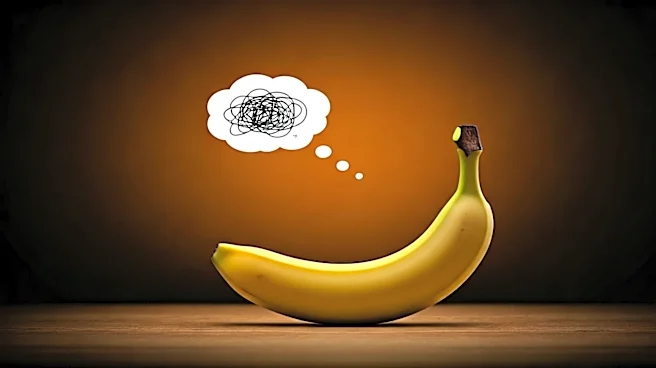
So how do they avoid simply repeating the same banana joke? The screenwriters' primary strategy is context. A Minion obsessed with a banana is a one-note gag. But putting that Minion on a mission where a banana becomes a critical-yet-distracting object creates a narrative. Writers like Cinco Paul, Ken Daurio, and Brian Lynch are constantly looking for new scenarios to drop the Minions into. The idea for 'Minions' (2015) came from Lynch's pitch of a “Villain-Con,” like Comic-Con for bad guys, which immediately provided a fresh sandbox for their comedy. The core personality traits—mischief, loyalty, and a love for fruit—remain constant. The trick is to change the environment, raise the stakes, and pair them with new challenges, ensuring that while their behavior is predictable, the outcome is always hilariously uncertain.