





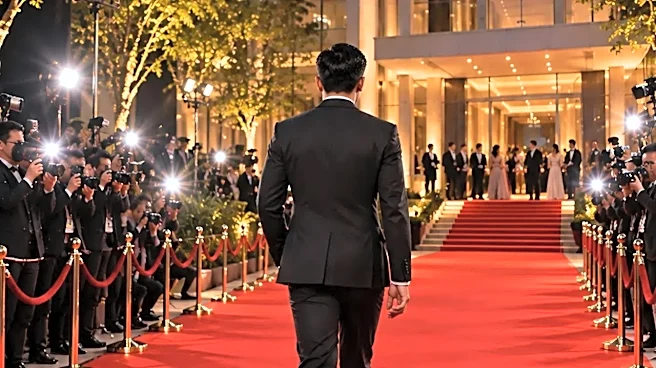

When you picture New York Fashion Week, you see celebrities, editors, and influencers. But what if the most important guests are the ones you don't see? The students in the back row are the key to American fashion's future.
Beyond the Classroom Walls
Fashion school provides an essential
foundation in design principles, from pattern-making to textile science. But a classroom can't replicate the visceral, high-stakes energy of a professional runway show. Attending an event like New York Fashion Week offers a form of education that is impossible to teach. It transforms theory into reality, showing students how a designer’s initial sketch evolves into a living, breathing collection presented under intense pressure. Programs like the 'U of NYFW' from the Collegiate Licensing Company, which provides a small number of students behind-the-scenes access, recognize this gap. These initiatives, while limited, are built on the understanding that witnessing the industry firsthand is a vital part of a fashion education, bridging the gap between academic learning and real-world application.
An Education in Professionalism
A runway show is more than just a 15-minute presentation of new clothes; it's the culmination of months of work involving dozens of professionals. For a student, seeing this in person is a lesson in the industry's complex ecosystem. They observe the precise choreography of models, the focused intensity of the backstage crew, the strategic seating of press and buyers, and the immediate flurry of social media content creation. This exposure demystifies the industry and provides invaluable insight into the various career paths available beyond design, such as production, PR, styling, and media. It's a masterclass in event management, brand strategy, and the sheer pace at which the fashion world operates, lessons that are critical for navigating a career in this demanding field.
The Power of Proximity and Networking
The fashion industry is notoriously reliant on connections. While a student in a designated viewing section may not be shaking hands with top editors, proximity itself is powerful. It breaks down the psychological barrier that makes the industry feel intimidating and out of reach. Being in the same room as industry leaders fosters a sense of belonging and possibility. Furthermore, these events offer organic opportunities to connect with peers from other institutions, interns, and junior-level professionals. Building this peer network is as crucial as meeting established figures. Today’s fellow student observer is tomorrow’s collaborator, business partner, or employer. These early connections, forged in the shared experience of a fashion show, can become the foundational relationships of a future career.
A Long-Term Investment for the Industry
Creating a dedicated space for students at major fashion events shouldn't be seen as an act of charity, but as a strategic investment in the industry's own future. Organizations like the Council of Fashion Designers of America (CFDA) already invest heavily in the next generation through scholarships and development programs, recognizing the need to nurture new talent. Establishing formal student viewing sections is a logical and relatively low-cost extension of this mission. By inspiring and educating aspiring designers, stylists, journalists, and marketers, the industry is actively cultivating its next wave of innovators. This proactive approach to building a talent pipeline ensures that American fashion remains competitive, vibrant, and infused with fresh perspectives. It's a direct way to secure its creative and commercial future.