

The Queue as the First Act
Before the lights dim and the logos appear, the festival experience starts here, in the democratic huddle of the queue. Unlike the velvet-roped exclusivity of other major festivals, London’s offering fosters a sense of shared pilgrimage. This is where
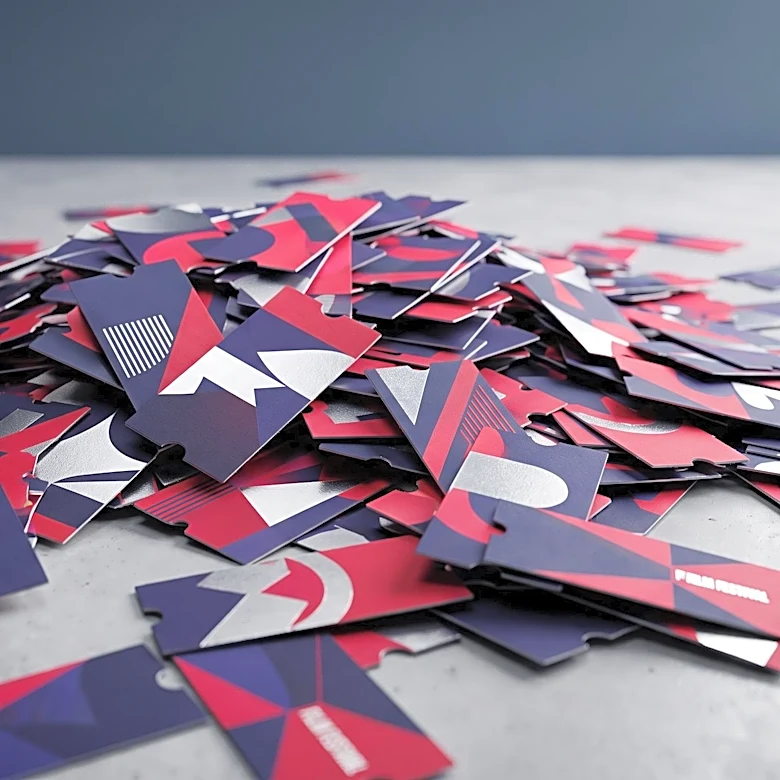
you overhear passionate debates about a director's early work, get a hot tip on a little-known documentary, and feel the collective buzz of cinephiles united in their hunt for the next great film. The glamour isn’t about exclusion; it’s about being included in a city-wide celebration of cinema. The festival makes a point of its accessibility, with tickets starting from just £10 and many free talks and events. This spirit turns a line into a pre-show, a communal space where the price of admission is simply a love for film.
A City-Wide Red Carpet
The BFI London Film Festival (LFF) doesn’t confine itself to a single, imposing building. It sprawls across the capital, turning the city itself into a sprawling movie set. Gala premieres unfold at the iconic Royal Festival Hall on the Southbank, but screenings also happen in historic West End cinemas and independent picture houses. One minute you’re watching a blockbuster premiere with stars like Scarlett Johansson or Penélope Cruz, and the next you’re in a cozy, storied cinema for an experimental short. This integration with the city means the energy spills out onto the streets. The journey between venues—a walk across Waterloo Bridge with the skyline lit up, a dash through Soho’s buzzing alleys—becomes part of the festival’s fabric. The glamour is environmental, a feeling that for 12 days, London is the world's cinematic capital.
Hunting for the Next Masterpiece
Running from October 7th to the 18th for its 70th edition, the 2026 festival showcases a staggering 251 works from 88 countries, with every feature being a UK premiere at minimum. This isn't just a parade of last season's festival hits; it’s a genuine treasure hunt. Audiences get to be the first in the country to see potential award-winners and breakout indie darlings. The 2026 lineup includes major premieres like Simon Stone’s ‘Elsinore’ starring Andrew Scott and Olivia Colman, and Jesse Eisenberg's directorial effort ‘The Debut’ with Julianne Moore and Paul Giamatti. But beyond the galas, the program is divided into thematic strands like 'Love', 'Debate', and 'Thrill' to guide discovery. Knowing you could be witnessing the world premiere of the next big thing, or a hidden gem like James Gray's atmospheric 'Paper Tiger,' creates a palpable sense of occasion in every screening room. That feeling of being 'in the know' is its own kind of glamour.
Where Stars Feel Like Cinephiles
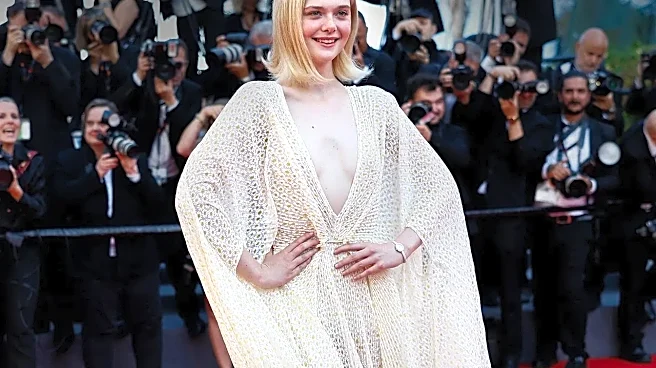
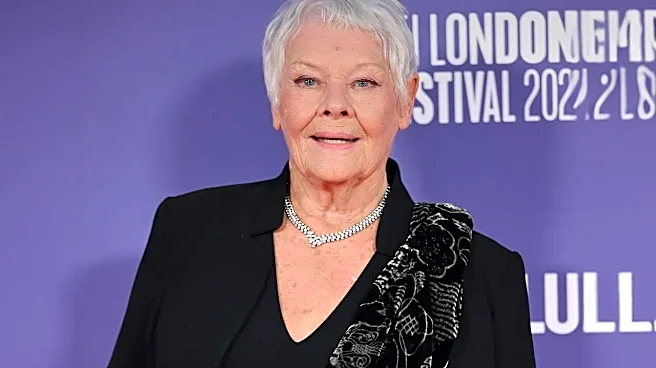
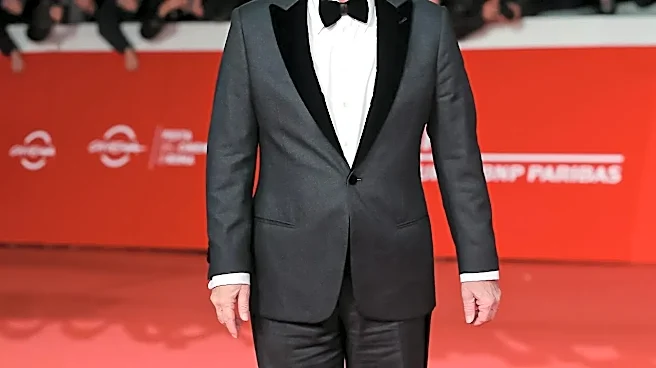
While the LFF certainly delivers on red-carpet spectacle—with a parade of designer gowns from stars like Florence Pugh and Lily James—the atmosphere often feels more grounded than its European counterparts. The extensive program of 'Screen Talks' offers a chance to see major talents like Ava DuVernay, Mahershala Ali, and Sofia Coppola discuss their craft in an intimate setting. These are not just fleeting photo ops; they are in-depth conversations that treat a-listers as artists first. Even the gala premieres feel less like a rigid, hierarchical affair and more like a celebration. The BFI’s official guidance even notes there’s 'no dress code' for its red-carpet galas, inviting everyone to come as they are. The glamour comes from proximity to the creative process, seeing the people behind the posters as passionate advocates for their work, just as excited to be there as the fans in the back row.