





Riding the 'Hunger Games' Wave
To understand Divergent, you first have to understand The Hunger Games. The 2012 adaptation of Suzanne Collins' novel was a cultural and commercial juggernaut, proving there was a massive appetite for stories about teens fighting authoritarian regimes.
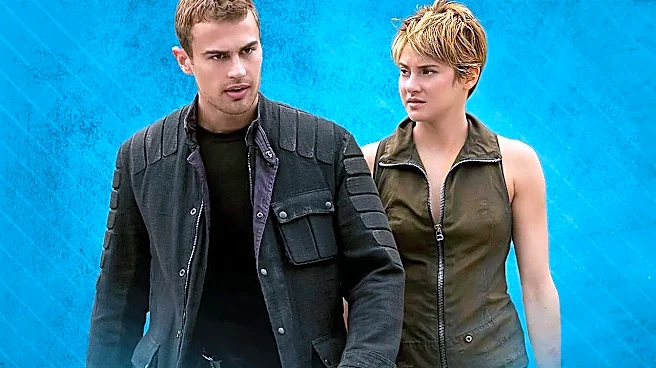
Every studio wanted their own version, and on paper, Divergent was the perfect candidate. It featured a strong female protagonist, a society sorted into rigid factions, and a coming-of-age story wrapped in sci-fi action. The first film, released in 2014, successfully capitalized on this momentum. It opened strong, earning an 'A' CinemaScore from audiences and grossing over $288 million worldwide on an $85 million budget, instantly signaling the birth of a new franchise.
The Perils of the Formula
The success of the first film led to an immediate greenlight for the sequels, but cracks in the foundation quickly began to appear. While many YA adaptations make changes from their source material, the second film, Insurgent, introduced a mysterious box plotline not present in the book, which felt like a deviation from the story's core. By the time the third film, Allegiant, arrived in 2016, audience fatigue had set in. Compounding the issue was the controversial decision to split the final book into two movies, a trend that was falling out of favor. The result was a narrative that felt stretched thin and a plot that many viewers and even cast members reportedly found confusing.
A Franchise Cliffhanger
The decline was swift and severe. Allegiant grossed just $179 million worldwide against a budget of over $110 million, a massive drop-off from its predecessors. The steep financial losses and poor critical reception put the studio, Lionsgate, in an impossible position. The story was only half-finished, ending on a cliffhanger that was supposed to be resolved in a fourth film, titled Ascendant. But with diminishing returns and waning interest, the studio first announced the final installment's budget would be slashed, then made the unprecedented decision to pivot the conclusion to a TV movie, with plans for a potential spinoff series.
The Legacy of a Warning
The TV movie never happened. Key cast members expressed reluctance to return for a small-screen finale, and the project quietly faded away, leaving the cinematic saga permanently unfinished. So, did the Divergent series reshape American cinema? In a way, yes—but not as the next great blockbuster. Instead, it became Hollywood's ultimate cautionary tale. Its collapse served as a stark warning against assuming audience loyalty, the dangers of splitting final books without sufficient narrative justification, and the limits of chasing a trend. The failure of Allegiant effectively cooled Hollywood's red-hot obsession with the YA dystopian genre, making studios more risk-averse when it came to greenlighting multi-film franchises based on young adult novels.