





The Plain White T-Shirt
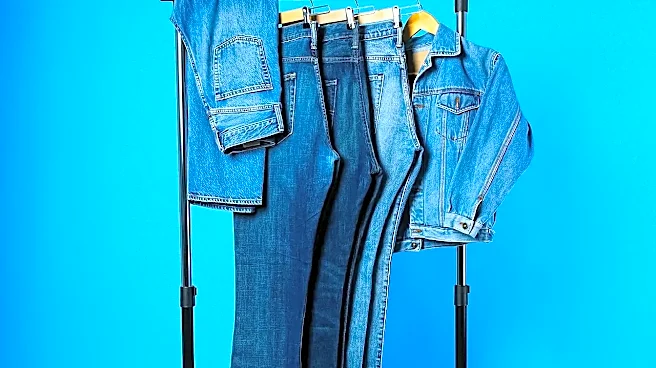
There is no combination more quintessentially American than a pair of blue jeans and a crisp white tee. Both garments started as humble workwear; denim for miners and laborers, and the t-shirt as a standard-issue military undergarment. But in the 1950s,
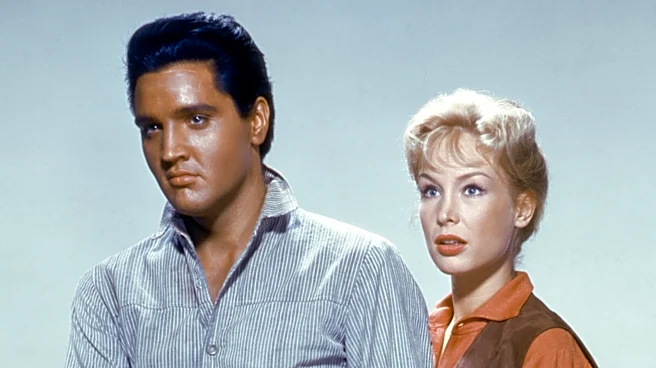
Hollywood transformed them into a uniform of rebellion. When actors like Marlon Brando and James Dean appeared on screen in a snug white t-shirt and jeans, it became an instant symbol of youthful defiance against the stuffy establishment. The look was minimalist, confident, and a little dangerous. It stripped fashion down to its bare essentials, creating a blank canvas for effortless cool that has been copied for decades but never duplicated. The pairing endures because it’s authentic, accessible, and carries the DNA of American counter-culture in its cotton fibers.
The Cowboy Boot
To understand denim, you have to understand the American West. Long before they were a fashion statement, jeans were the daily uniform for cowboys, ranchers, and anyone working the rugged frontier. It only makes sense that they would be paired with the other essential piece of Western gear: the cowboy boot. Designed for practicality—with a high shaft to protect from brush and a distinct heel to secure a foot in a stirrup—the boot was as functional as the denim it was worn with. The pairing of durable jeans and sturdy leather boots became the iconic silhouette of the American cowboy. This combination moved from the ranch to the mainstream with the rise of Western films in the 1930s and ‘40s, romanticizing the rugged individualism of the West and making the look a permanent fixture in American style.
The Chambray Shirt (aka The Canadian Tuxedo)
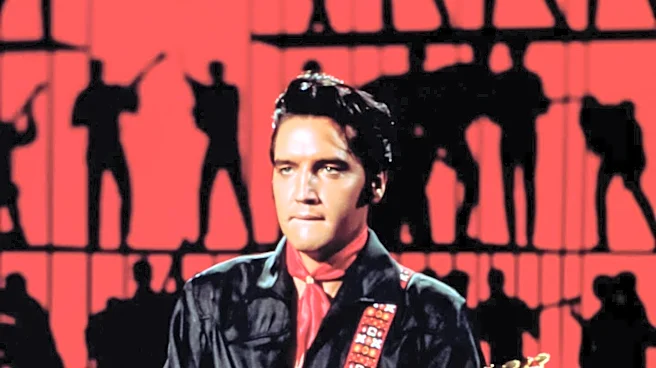
Wearing denim on denim, affectionately known as the "Canadian Tuxedo," has a storied history that swings between fashion faux pas and high-fashion statement. The term was famously coined in 1951 after singer Bing Crosby was reportedly denied entry to a Vancouver hotel for wearing an all-denim outfit. Levi's, in a brilliant PR move, designed him a custom denim tuxedo jacket, complete with a leather patch cheekily addressed "To All Hotel Men." Before this, denim-on-denim was simply a practical workwear combination. But the Crosby incident and its embrace by rebellious figures like Elvis Presley cemented its place in pop culture. Though it was mocked after Britney Spears and Justin Timberlake’s matching 2001 red carpet look, the Canadian Tuxedo always bounces back, proving that this bold, monochromatic look is a confident statement with deep roots in both work and play.
The Navy Blazer
For decades, denim was strictly blue-collar. It took a long time for it to be seen as anything other than workwear. The navy blazer, a symbol of East Coast prep and Ivy League academia, was its sartorial opposite. But in the latter half of the 20th century, as social codes relaxed, pairing the two became the ultimate high-low fashion move. Suddenly, wearing a tailored blazer with a pair of well-worn jeans was a sign of a new kind of modern, confident style. It suggested you understood the rules of dress, but were comfortable enough to break them. This combination bridged the gap between the boardroom and the weekend, creating a versatile look that was polished without being stuffy. Popularized in the 1980s and perfected in the 1990s by brands like J.Crew, the blazer-and-jeans combo remains a go-to for looking effortlessly put-together.
The Leather Biker Jacket
If the white t-shirt and jeans combo was the quiet rebel, adding a leather biker jacket was the full-throated shout. Like denim, the leather jacket started as a piece of functional, protective gear—in this case, for motorcyclists. Also like denim, it was co-opted by Hollywood and rock and roll to become a symbol of a tougher, more aggressive rebellion. From The Ramones to Bruce Springsteen, the leather jacket paired with ripped jeans became the official uniform for punk, rock, and anyone looking to challenge the status quo. It’s a pairing that communicates attitude before a word is spoken. The combination of sturdy, faded denim and tough, black leather creates a textural contrast that is visually powerful and culturally loaded, representing a shared history of American nonconformity.