



More Than Just Wardrobe
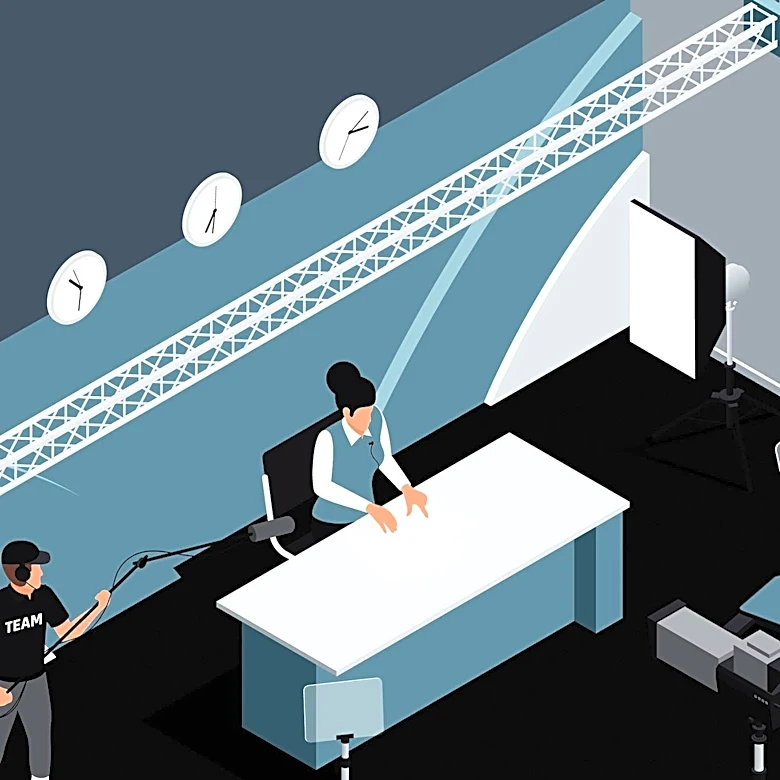
When you think about what makes a TV show work, your mind probably jumps to the script, the acting, or the directing. But there’s an unsung hero on every set: the script supervisor. This crew member is the guardian of continuity, ensuring that every detail—from
a prop on a table to an actor's hairstyle—remains consistent between shots that might be filmed hours, days, or even weeks apart. A huge part of this responsibility covers wardrobe. Costume continuity is the art of ensuring a character's outfit remains precisely the same from one take to the next within a single scene. It's a team effort, with the script supervisor working closely with the costume department, who use detailed notes and photos to track every piece of clothing, every accessory, and even how it’s worn. It may sound tedious, but without it, the entire illusion of the story can shatter.
The Pilot's Unforgiving Spotlight
Nowhere is this meticulous work more important than in a pilot episode. A pilot has one job: to establish the world, the characters, and the tone so effectively that a network will order a full season and viewers will commit to watching it. The first impression is everything. A continuity error in a season-five episode might become a funny meme, but in a pilot, it can be a critical flaw. It signals a lack of care and can pull an audience out of the story just as they’re trying to invest. Because scenes are almost always shot out of order for logistical reasons like location availability or actor schedules, maintaining continuity is a constant challenge. A character might film their exit from a room in the morning and their entrance into it a week later; their clothes must match perfectly to create a seamless moment that appears to last only a few seconds.
When the Threads Come Undone
A continuity error, no matter how small, can break the spell of the narrative. Imagine a character in a tense negotiation. In a wide shot, their tie is perfectly knotted, but in the close-up that follows, it’s suddenly loose. Or a character flees a building wearing a pristine white shirt that, in the next cut, inexplicably has a coffee stain that wasn't there a moment before. These jarring mistakes force the viewer to stop thinking about the story and start thinking about the filmmaking process. It reminds them they are watching actors on a set, not real people living through an event. Preventing these errors is about more than just avoiding embarrassment; it's about respecting the audience's immersion in the world you've built.
The Silent Storyteller
Beyond simply avoiding mistakes, perfect costume continuity allows clothing to become a powerful tool for storytelling. It’s not just about what a character wears, but how they wear it and how it changes over time. A costume designer uses clothing to reveal personality, social status, and emotional state. When continuity is flawlessly maintained, these subtle details can tell their own story. For instance, a character’s once-sharp business suits might become progressively more disheveled over a season to reflect a downward spiral. A hero’s jacket might accumulate dirt and tears over a series of episodes, visually representing their arduous journey. This kind of character development through wardrobe is only possible if the baseline is consistent. Each scuff mark and loose thread adds a layer to the narrative, but only if it appears and remains at the correct moment in the story.