


The Commander of the Box
Before the ball is even in their half, the best goalkeepers are already working. Watch them during a lull in play. They aren't resting; they're directing traffic. A pointed finger here, a shouted instruction there—they are the on-field extension of the coach,
organizing the defensive line from the one position that sees the entire field. When a keeper like Germany’s Manuel Neuer stands on the edge of his box with a wide stance and open chest, he’s not just waiting. He’s projecting an aura of control. This non-verbal communication reassures his defenders, tightens the formation, and subtly tells the opposition: ‘This space is mine. Nothing will get past us.’ A hesitant, quiet keeper can breed uncertainty, leaving defenders to second-guess their positioning. A commanding one builds a fortress of confidence from the back.
The Post-Concession Reaction
Arguably, the most telling moment for a keeper’s psyche is the 10 seconds after they concede a goal. The ball hits the net. What happens next? A keeper who throws their hands up in disgust and glares at their defenders sends a powerful, negative message: ‘It’s your fault.’ This body language fractures team unity and signals a lack of resilience. In contrast, watch the greats. After being beaten, they often show a flash of frustration, then immediately sprint into the goal, grab the ball, and race back to the center circle. This simple act is a psychological reset button for the entire team. It says, ‘The past is over. We are not rattled. We go again, now.’ That urgency can snuff out an opponent’s momentum before it even builds, transforming a moment of failure into a statement of defiance.
The Penalty Shootout Specialist
Nowhere is the keeper’s psychological warfare more apparent than in a penalty shootout. It’s pure theater. Argentina’s Emiliano Martínez, a master of the dark arts, turned the 2022 World Cup final with his antics. It’s not just about trying to save the shot; it’s about making the shooter doubt themselves in the loneliest walk in sports. The keeper might make themselves look massive, spreading their arms and legs in a 'starfish' pose. They might point to one side, play with the shooter's head, or take an extra second to place the ball for them, disrupting their rhythm. The slow, confident smirk, the stare-down, the little dance on the line—it’s all designed to shrink the goal and magnify the pressure. When a keeper projects an unshakeable, almost cocky confidence, they’re not just trying to stop a ball; they're trying to win a battle of wills before the ball is even kicked.
Projecting Calm Under Pressure
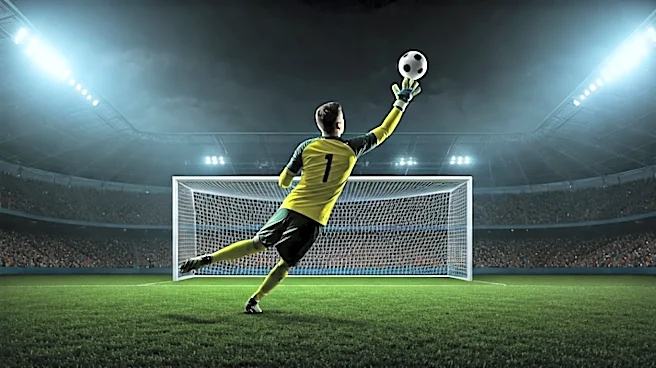
In the chaos of a goalmouth scramble or a high, looping cross into a crowded penalty area, the entire stadium holds its breath. This is where a goalkeeper’s demeanor is infectious. A keeper who comes out decisively to claim a cross, absorbing the ball and the pressure in one clean motion, sends a wave of calm through their backline. Teammates and fans exhale collectively. This is the Alisson Becker effect for Liverpool—an almost serene sense of inevitability that he will handle the situation. Conversely, a keeper who flaps at the ball, punches uncertainly, or stays rooted to their line creates panic. That hesitation is contagious, causing defenders to make frantic, desperate clearances. The opponent smells blood in the water. Over 90 minutes, this difference between calm and chaos is cumulative, either building a foundation of defensive stability or creating cracks that the best teams will ruthlessly exploit.