

The Dreamy Appeal of Romantic Volume
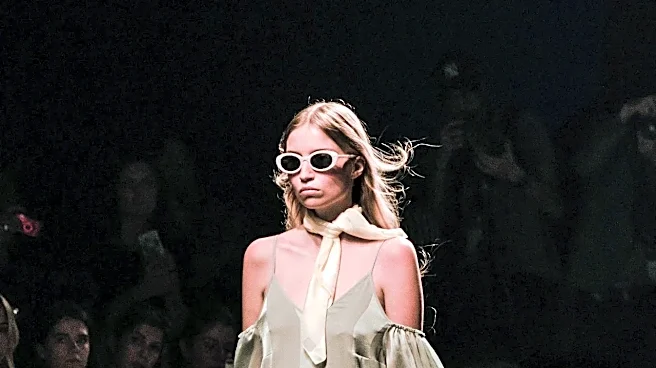
One side of the Copenhagen coin is unapologetically romantic. Think Cecilie Bahnsen’s signature voluminous dresses, which have become a hallmark of modern Scandi style. This season continues that narrative with designers embracing soft, dramatic silhouettes,
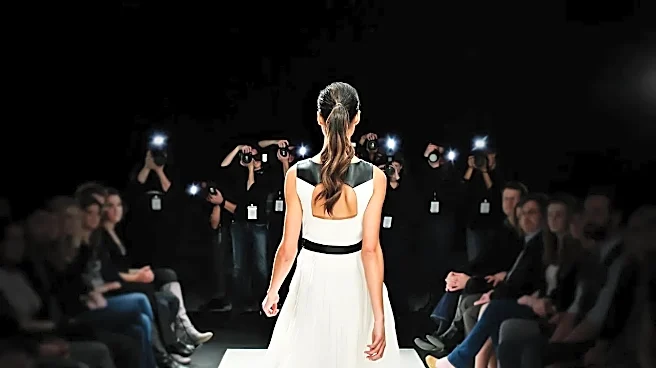
puff sleeves, and delicate textures. Brands like Rave Review and Anne Sofie Madsen showcased feminine ruffles, layered over dresses and trousers to add a sense of playful, coquettish energy. This trend is less about historical costume and more about a modern, lived-in romance. Lace, for instance, appeared not as a centerpiece but as an accent on tights, scarves, and panels, suggesting it's for the everyday. Even florals were reimagined with a 3D, textural quality at shows like Opéra Sport, creating avant-garde sculptural tops and appliqué details that felt fresh and dimensional. It’s a fantasy grounded in reality, where airy, billowing silhouettes are meant to be worn on the city’s bike lanes, not just kept for special occasions.
The Enduring Power of Utility
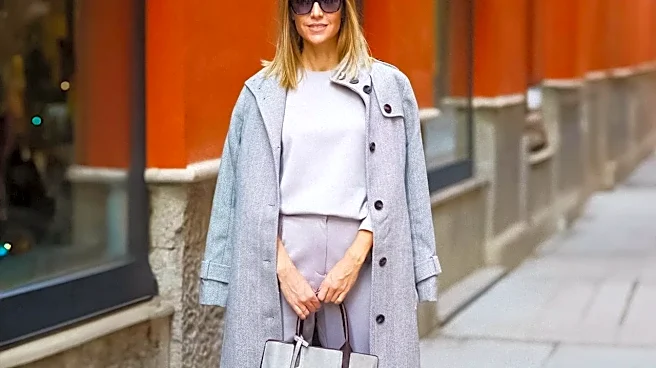
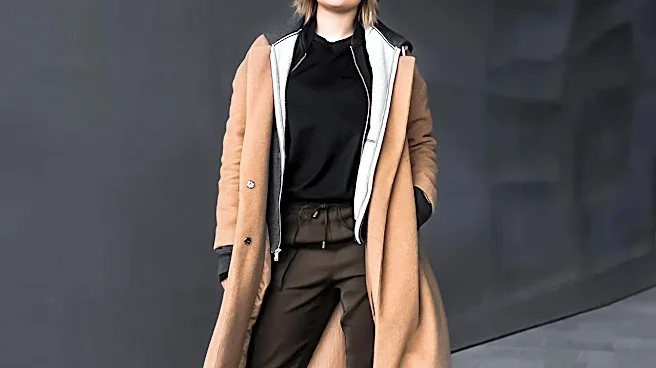
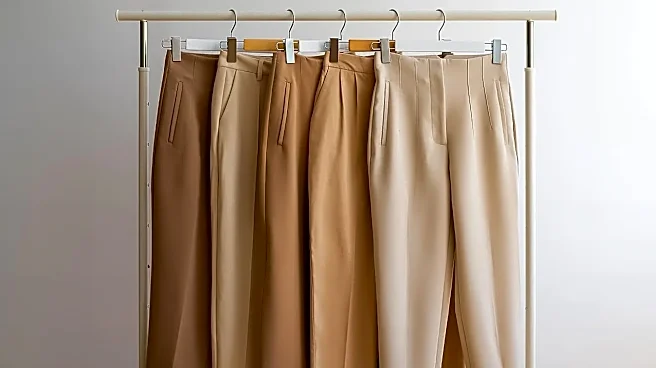
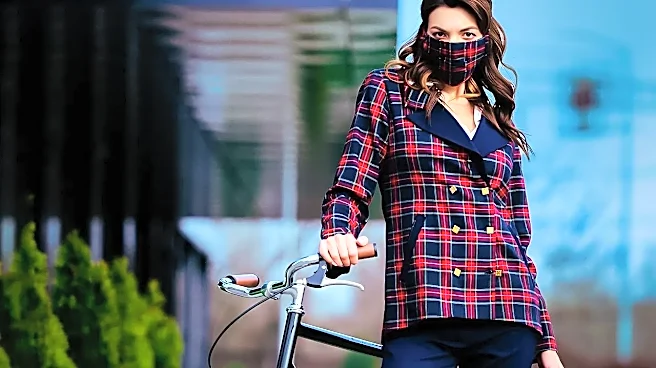
On the other end of the spectrum is the practical, minimalist core that has long defined Scandinavian design. This is utility dressing: clean lines, functional details, and a focus on high-quality, timeless pieces. This season saw a strong emphasis on oversized, boxy tailoring, with double-breasted jackets and big silhouettes dominating runways. At Baum und Pferdgarten, functional trench coats and cargo shorts were given a Danish twist with artfully tied scarves and other feminine details. This aesthetic is rooted in the city's culture of practicality; designers showcased stylish lightweight raincoats and jackets, proving that function doesn't have to sacrifice form. The color palette often leans into “Nordic neutrals”—earthy shades of sand, cream, taupe, and stone that feel effortlessly chic. This focus on elevated basics, from slouchy tailoring to perfectly distressed denim, creates a wardrobe of “everyday luxury” that feels authentic and easy to wear.
The Street Style Verdict: A Perfect Mix
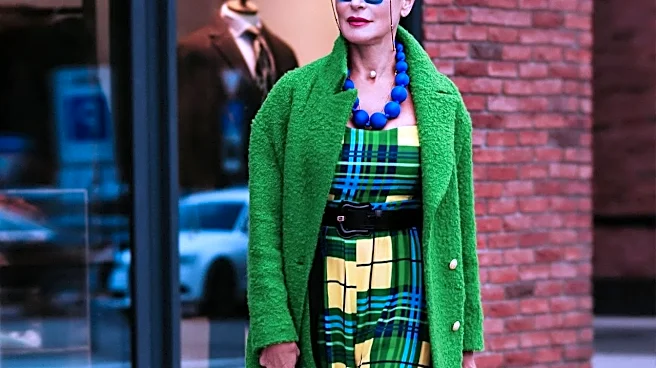
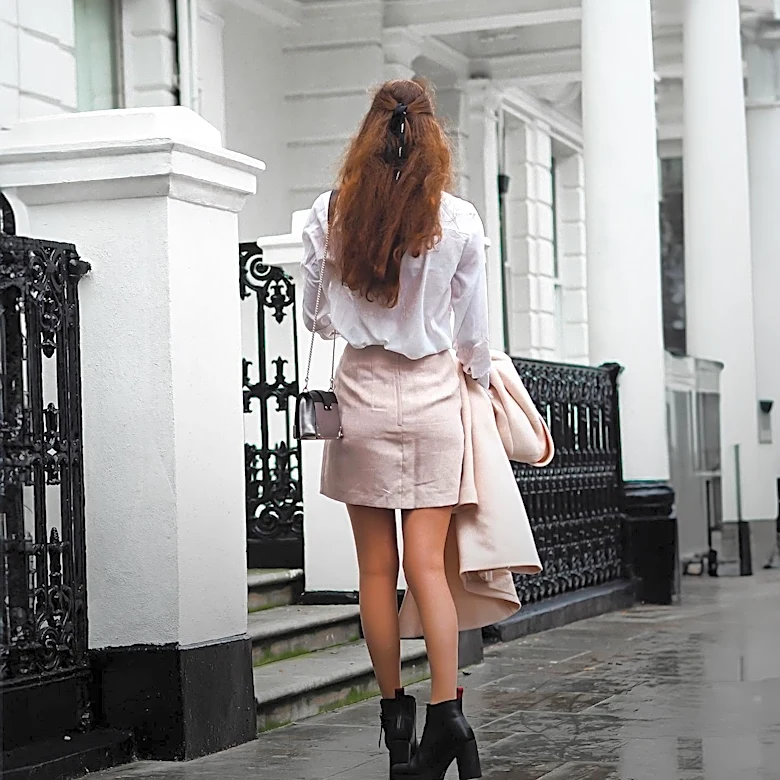
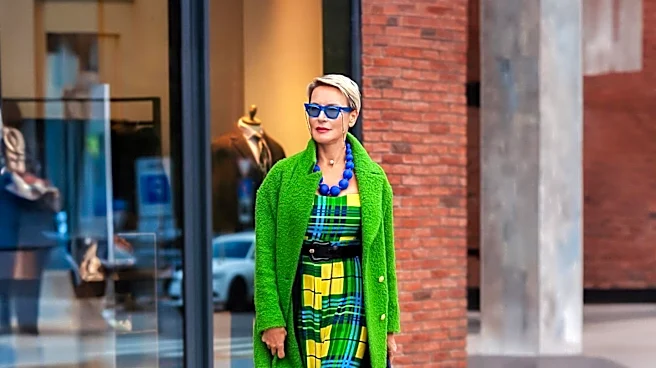
If the runways present a duality, the streets of Copenhagen offer the resolution. Here, the city’s famously stylish attendees prove that you don’t have to choose between romance and utility—the magic is in the mix. Street style from the most recent shows captured this contrast perfectly, with showgoers pairing utilitarian cargo pants with sheer, delicate tops, or softening slouchy, masculine tailoring with pastel lace. A lace skirt might be worn with a casual pullover and bright pumps, while a voluminous puff-sleeve dress is grounded with a pair of chunky boots or practical sneakers. This blend is the essence of Copenhagen cool: the ability to take a highly romantic piece and make it feel everyday, or to elevate a simple, functional item with a surprising, personal twist. It’s a creative and experimental approach that confirms the city's status as a global style capital.
So, What’s the Defining Look?
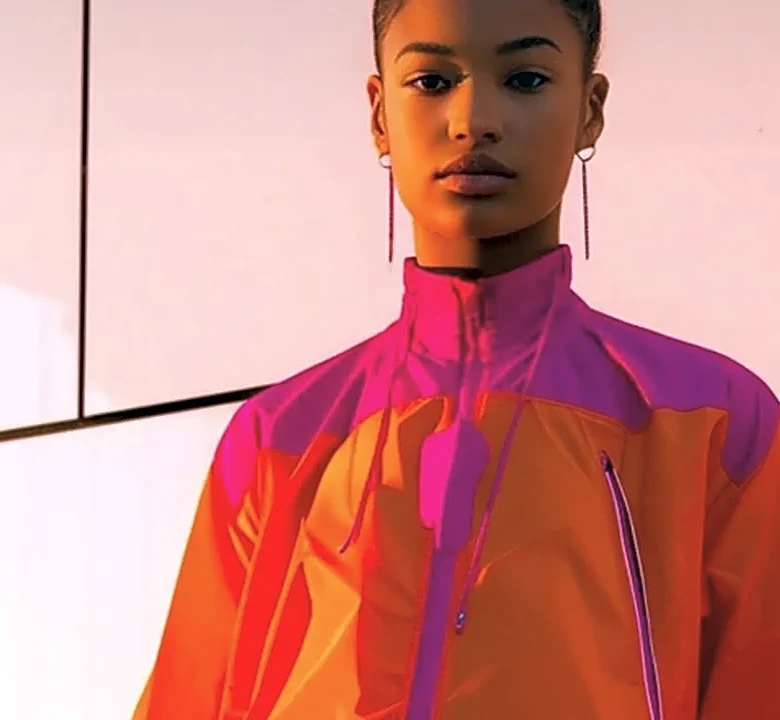
To ask whether romantic volume or utility dressing defines Copenhagen Fashion Week is to miss the point. The true identity of modern Scandinavian style lies not in choosing one over the other, but in their constant, creative collision. The most compelling looks, both on and off the runway, are the ones that find harmony in contradiction. It's the technical jacket thrown over a floaty dress, the pairing of delicate fabrics with rugged denim, or the way a sharp, minimalist suit is softened with a ruffled blouse. This interplay between the dreamy and the pragmatic, the soft and the structured, is what makes Copenhagen fashion so influential. It’s a style that is at once aspirational and attainable, beautiful and built for real life.