






Paris Fashion Week has wrapped, and your social media feed is a highlight reel of wild, wonderful, and weird clothing. But which of these runway moments will actually matter in six months? Here's how to spot a trend with staying power.
Look Beyond the Front-Row Celebrities
Seeing a trend on
an A-lister is the first step, but it's not the last. The real test is how they wear it. Is it a head-to-toe, straight-off-the-runway look for a single photo op, or are they integrating a piece into their everyday life? When an actor or musician wears a new silhouette—like the high-shine, liquid metallic fabrics seen on recent runways—with their own jeans or a classic coat, it signals that the trend is adaptable. The most visible runway moments aren't always the most commercially relevant; they're often designed for visual impact. Lasting trends are the ones influential people choose to wear when they aren't being styled for an event.
Follow the Buyers, Not Just the Buzz
While fashion editors and influencers create buzz, retail buyers from department stores and boutiques decide what actually gets produced and sold. These buyers are the gatekeepers between a designer's creative vision and the practical needs of consumers. A designer might show 40 looks, but a buyer for a store in Ohio or Texas might only order the five most wearable pieces. They have to ask: Can this oversized carryall bag or funnel-neck coat sell in my city? Their orders determine whether a trend moves from a creative proposition to a consumer reality. If you see toned-down, commercial versions of a runway piece appearing in online stores a few months later, that's a strong sign it has legs.
Check for the 'Street Style' Translation
Runway shows are theater, but street style is reality. During fashion month, look at what editors, buyers, and stylists are wearing between the shows. They often get early access to new pieces and are masters at translating high-fashion ideas into wearable outfits. For the Spring/Summer 2027 season, attendees were already spotted in fur-trimmed outerwear and slim cigarette jeans, signaling a move toward those styles. A trend that can be easily reinterpreted—like pairing a structured jacket with dark-wash jeans or throwing a trench coat over a dress—is much more likely to survive than one that requires a complete, impractical costume.
Consider Its Practicality and Production
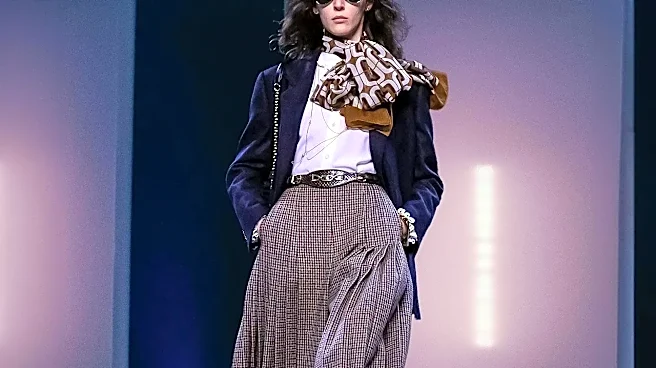
Some runway pieces are pure fantasy, made with materials and shapes that are difficult to produce at scale or uncomfortable to wear. A trend’s survival often depends on its practicality. Ask yourself: Can this be made from a more accessible fabric? Does this silhouette work for different body types? For example, the recent focus on vibrant, head-to-toe monochrome dressing is powerful on the runway, but its success will depend on whether those pieces—like a cobalt blue coat or terracotta trousers—can be sold separately and integrated into existing wardrobes. Trends that can be easily simplified, like minimalist flat shoes, have a better chance than those that are extremely complex.
Track Its Evolution Across Seasons
Truly powerful trends don't just appear and disappear in one season. They evolve. A look might start as an avant-garde idea and then, in the next season, return in a more refined or commercial form. For instance, a romantic, nostalgic style might hold its ground for several seasons, proving it has staying power. The recent rise of tailored pants and wide-leg trousers wasn't an overnight phenomenon; it has been building for several collections. If you notice a theme like structured suiting or sheer layering appearing at multiple designer shows and then again the following season, you're likely watching a major fashion movement solidify, not just a fleeting fad.
Listen for the Historical Echo
Fashion is cyclical. Many successful new trends are simply reinterpretations of beloved styles from the past. Whether it’s the return of a certain denim wash, a specific handbag shape from the '90s, or a silhouette from the 1970s, trends with a historical reference point often have more staying power. They tap into a sense of nostalgia and familiarity that makes them feel both fresh and timeless. When you see a new trend, ask yourself if it reminds you of anything. If you can trace its roots to a previous fashion era, it has a much higher chance of sticking around, as it's already proven its appeal once before. The so-called 20-year cycle has been condensed by social media, but the principle of revival remains strong.