





The Golden Age of the 30-Second Spot
For decades, the path to a blockbuster opening weekend was paved with television commercials. Studios carpet-bombed the airwaves, spending millions to ensure their summer tentpole was inescapable. From the terrifying suspense of the "Jaws" ads to the booming
voiceovers of Don LaFontaine, a TV spot was a declaration that a film was a major event. This top-down approach worked because media was centralized. With audiences gathered around a handful of broadcast networks, a well-placed trailer during a popular show could create a shared cultural moment. This model was expensive but reliable, cementing the TV ad as the cornerstone of movie marketing for generations. Marketing budgets swelled, with TV ad spending often accounting for a huge portion of a film's promotional costs, sometimes rivaling the production budget itself.
The Digital Disruption Begins
The late 1990s and 2000s brought the internet, and with it, the first cracks in television's dominance. Initially, digital marketing was an accessory to the main event. Studios launched official websites, released trailers on YouTube, and started Facebook pages. This was a significant step, offering a direct line to fans for the first time. However, the strategy was still largely one-way communication. Studios pushed out content—trailers, posters, behind-the-scenes clips—and hoped for engagement. It was a digital version of the old broadcast model, a necessary but not yet revolutionary change. The real shift required more than just new platforms; it demanded a new understanding of the audience.
Enter TikTok: The Participation Revolution
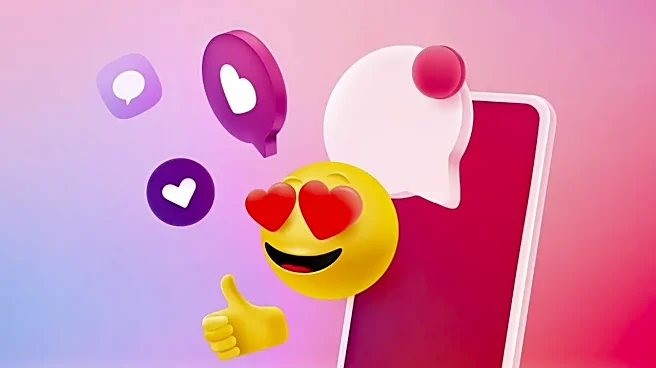
Then came TikTok, and the rules were rewritten entirely. Unlike previous social media platforms, TikTok’s power isn’t just in watching, but in doing. The platform thrives on user-generated content, trends, sounds, and memes. Suddenly, marketing wasn't something studios did to an audience; it was something they did with them. A successful campaign is no longer just a slick trailer; it's a snippet of a song that goes viral, a dance challenge, or fans creating their own content inspired by the film. Research shows that a huge percentage of TikTok users discover new movies on the app, and a significant number of them are prompted to buy a ticket. This participatory culture turns audiences into active marketers, creating an authentic, organic buzz that money can't easily buy.
The New Economics of Hype
This shift isn't just cultural; it's economic. While a national TV ad campaign can cost tens of millions, a viral TikTok trend can be sparked for a fraction of that, or even for free. This has democratized promotion, allowing smaller or independent films to generate massive buzz. Studios now dedicate up to 50% of their marketing budgets to digital and social media campaigns. Data from recent years shows that films with TikTok campaigns see a significant lift in box office sales compared to those without. The return on investment is often clearer, with studies showing TikTok ads can drive impressive revenue growth. This doesn't mean TV is dead, but its role has changed. It's now one tool among many in a more complex, data-driven, and audience-centric strategy.