




The Foundation: More Than Just Primer
Forget swiping on a glittery shade and calling it a day. For makeup artists working events like the American Music Awards, the look must last for hours under hot lights and remain perfect in high-definition. This marathon performance starts with the base. A high-quality, slightly tacky eyeshadow primer is non-negotiable. It does more than prevent creasing; it creates an even canvas and makes pigments pop. But the real pro move is what comes next: setting that primer with a translucent powder or a neutral, skin-toned eyeshadow. This step creates a silky-smooth surface that allows other shadows to blend seamlessly on top, preventing the patchiness that HD cameras love to expose. Think of it as priming and powdering a wall before you paint it—it’s
the unglamorous step that guarantees a professional finish.
The Palette Philosophy: Matte Is Structure
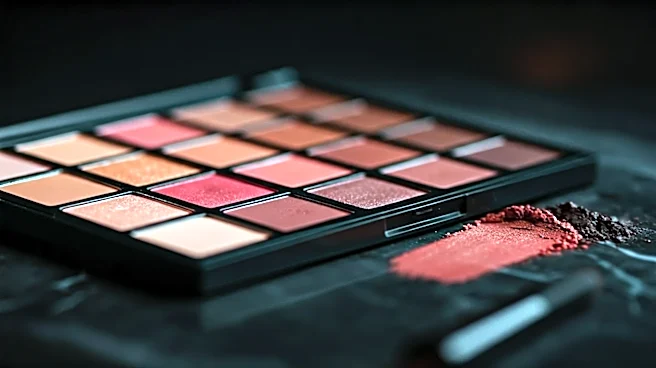
While a pop of shimmer is essential, the true workhorse of a red-carpet eye look is a suite of high-quality matte eyeshadows. Makeup artists don’t just reach for a single trendy palette; they build a “color story” using foundational matte shades. These shadows are used to create structure, depth, and shape. A light matte shade defines the brow bone, a medium-toned matte carves out the crease, and a deep matte anchors the outer corner or lash line. The key is the formula: pro-grade mattes are finely milled, buttery, and buildable, never chalky. They absorb light, which allows the artist to manipulate the perceived shape of the eye. A glitter bomb reflects light everywhere, which can flatten the eye on camera. Mattes do the opposite, creating the contours and shadows that give the eye its captivating dimension.
The Dimension: Strategic Shimmer and Satin
Once the matte structure is in place, it’s time for the highlight. This is where artists get strategic with texture. Instead of chunky, craft-store glitter, which can read as juvenile or create unflattering fallout under bright lights, they opt for sophisticated satins, luminous shimmers, and micro-fine metallic shades. The placement is precise and intentional. A pop of light satin on the center of the lid makes the eye appear rounder and more open. A tiny dab of iridescent shimmer on the inner corner provides a bright, eye-opening effect that looks like an internal glow on camera. This is the “formula” in action: using light-reflecting textures only on the high points of the eye, where light would naturally hit, to create a three-dimensional effect that translates beautifully through a lens.
The Blending: Where the Magic Happens
You can use the most expensive products in the world, but without proper blending, the look will fall flat. Professional artists will tell you that they spend most of their time blending, not applying. The goal is to create a seamless gradient with no harsh lines. This is especially critical for HD cameras, which pick up every imperfection. Artists use a variety of clean, fluffy brushes to diffuse the edges of each color until they melt into one another. A common technique is to go back in with the initial transition shade on a clean brush to soften the edges of the crease, or to use the base-setting powder to clean up any lines under the brow bone. The final look should be a soft-focus haze of color and dimension, where you can’t tell where one shade ends and another begins.
The Finishing Touches: Locking It In
The final step in the formula is ensuring the masterpiece lasts through an awards show, after-parties, and all the moments in between. After all shadow, liner, and mascara is applied, many artists use a finishing spray. But not just any setting spray will do. They often use a fine-mist spray designed to meld makeup layers together and provide a waterproof, transfer-proof shield. A light misting over the entire face, including the closed eyes, locks everything in place. This prevents smudging from humidity or heat and ensures the eyeshadow looks as vibrant at the end of the night as it did at the beginning. It’s the final insurance policy for a picture-perfect look.