







The Two Faces of Pressure
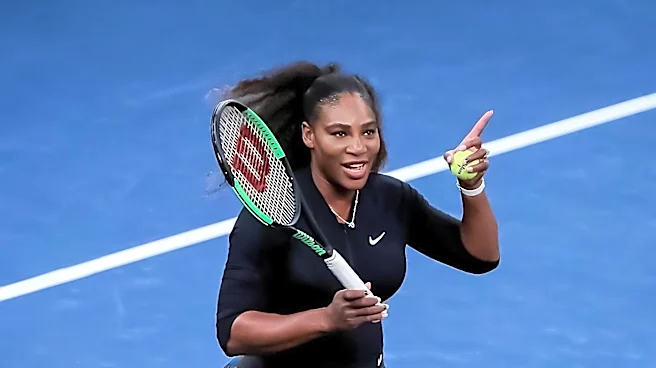
On one side, you have the loneliest place in sports: center court, with everything on your shoulders. For an individual athlete like Serena Williams, the pressure is intensely personal. Every unforced error, every double fault, is hers alone. There are
no teammates to defer to or share the blame. This creates a unique psychological burden where self-reliance isn't just a virtue; it's the entire operating system. The failure is yours, but so is the glory. On the other side is the collective weight of a nation's hopes and dreams resting on a team of eleven players. In a World Cup knockout match, the pressure is shared, but it's also amplified. A single mistake can let down your teammates and an entire country, creating a 'fear of failure' that can become contagious across the squad.
Serena's Mental Toolkit
Serena Williams didn't just dominate with her power; she dominated with her mind. She famously reframed pressure, popularizing the quote from Billie Jean King: "Pressure is a privilege." This isn't just a catchy phrase; it's a core tenet of the champion mindset. It transforms a threat into an opportunity. Williams has spoken about how, when behind in a game, she becomes more relaxed, focusing only on the next point, then the one after that. This ability to narrow focus and block out the noise is a learned skill. Champions are defined not by their wins, she has said, but by how they recover when they fall. This philosophy centers on resilience and process, proving that for the greatest champions, the most important battle is internal.
The Soccer Team's Crucible
A soccer team under pressure is a study in group dynamics. Success and failure are interdependent. The most vivid example is the penalty shootout—a moment of intense individual focus set within the ultimate team context. It's described as an "inhumane" level of pressure where a player's actions carry the immediate fate of their nation. Unlike a tennis player who has time to recover between points, a team collapse can be swift and brutal. Communication breaks down, blame can be externalized, and anxiety becomes contagious, leading to an accumulation of errors. However, the team structure also provides a crucial support system. Teammates can lift each other up after a mistake, a luxury the individual athlete doesn't have. The pressure is diffused, even if the stakes feel just as high.
The Unifying Champion Mindset
So, what's the common thread? While the external pressures differ, the internal architecture of a champion's mind is universal. Both Williams and elite soccer players must master what sports psychologists call the core mental skills: goal setting, positive self-talk, emotional regulation, and intense focus. It's about developing a 'growth mindset,' where setbacks are seen as learning opportunities, not verdicts on your ability. They focus on the process over the outcome, believing that if they execute their skills correctly, the result will take care of itself. Whether you're facing a break point on your own or stepping up to take the decisive penalty for your country, the ability to find a calm center in the storm of expectation is what separates the great from the legendary.