







An Introduction That Redefined the Franchise
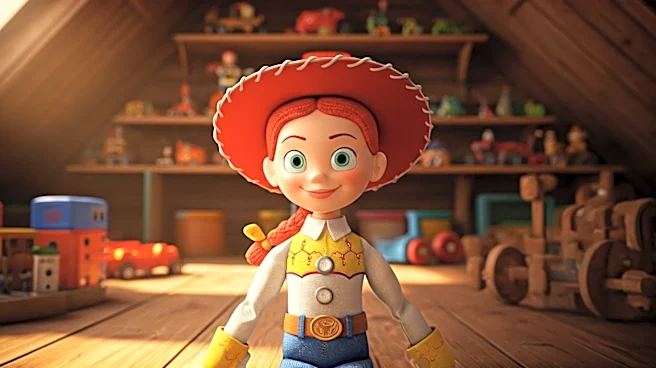
It’s easy to forget just how seismic Jessie’s arrival was in *Toy Story 2*. She wasn’t just another toy; she was a character forged in heartbreak. Her backstory, revealed in the devastating, Sarah McLachlan-scored “When She Loved Me” sequence, gave the series
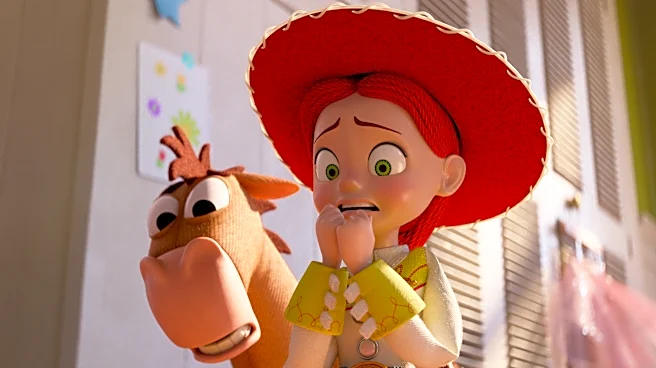
a new layer of emotional depth. Here was a toy who wasn't lost, but abandoned. Her trauma—a mix of claustrophobia from being boxed up and deep-seated fear of being forgotten by a child—wasn't a gimmick. It was the emotional engine of the entire film, forcing Woody to confront the mortality of his relationship with Andy. Voiced with a trademark mix of frantic energy and profound vulnerability by Joan Cusack, Jessie was instantly as complex and compelling as the original duo of Woody and Buzz. She was a complete character from her first yodel, one who deserved a future as bright as her past was dark.
A Cowgirl Left in the Background
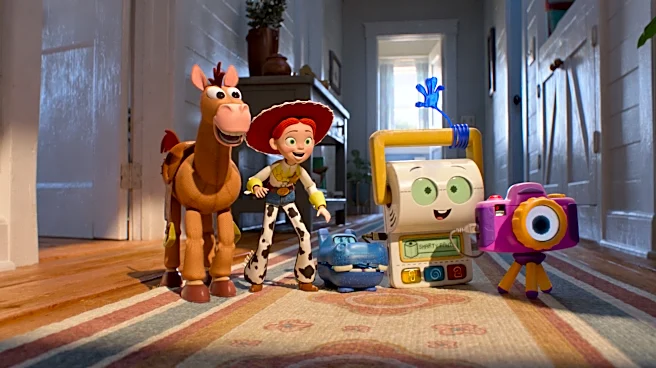
But after that stunning debut, what happened? In *Toy Story 3*, Jessie’s arc was largely tied to her burgeoning romance with Buzz Lightyear. It was a fun B-plot, complete with a Spanish-mode Buzz, but it felt like a step down from the narrative heavyweight she was in the second film. Her fears were still present, but they were part of the group's collective anxiety, not a central driving force. By *Toy Story 4*, she was further sidelined. While Woody was off on a philosophical journey with Forky and Bo Peep, Jessie was relegated to being the responsible toy back in the RV, worrying about Bonnie. She became the stand-in for the group’s stability, a necessary but dramatically inert role. The fiery, independent, and emotionally layered cowgirl from Al’s Toy Barn had been domesticated into a supporting player, her potential largely untapped.
The Post-Woody Power Vacuum
Woody’s departure at the end of *Toy Story 4* leaves a hole that can’t simply be filled by Buzz Lightyear stepping up. Woody wasn’t just the leader; he was the emotional core, the toy who constantly worried about their child’s happiness above all else. Buzz, by nature, is a hero of action and optimism. He’s the co-pilot, the strategist. But who fills the role of the heart? The answer is Jessie. She is the only other character who has experienced the unique pain of being outgrown and who understands the fragility of a toy’s purpose. Her entire journey has been about finding a new family and learning to trust again. To make *Toy Story 5* simply “The Buzz Lightyear Show” would be to misunderstand the franchise’s soul. The story needs a character who can wrestle with the emotional complexities of leadership, and Jessie is perfectly positioned to do just that.
A New Frontier for Jessie
A Jessie-centric *Toy Story 5* wouldn't just be fan service; it would be smart, resonant storytelling. Imagine a film that explores her version of leadership. Does she lead with the same anxieties that once defined her? How does she balance her own still-healing trauma with the responsibility of keeping the toy family together? This isn’t just about giving her more lines. It’s about giving her the narrative agency Woody always had. Her story could be about defining her own purpose beyond being part of a collection or a deputy in someone else’s posse. It’s a chance to fully explore the character who taught an entire generation of viewers that it’s okay to be sad and scared, but it’s better to find the courage to love again. Joan Cusack’s singular, brilliant vocal performance is an instrument Pixar has kept in its case for too long. It’s time to let her play the melody.