









The Wrexham Blueprint
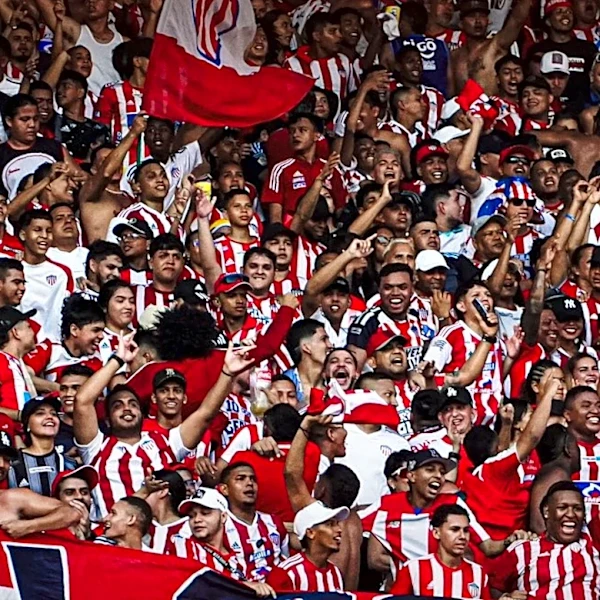
Before 2020, Wrexham AFC was a Welsh football club with a rich history but a tough present, languishing in the fifth tier of English football for 15 years. Then, actors Ryan Reynolds and Rob McElhenney purchased the club. What followed wasn't just a cash
injection; it was a masterclass in modern storytelling. Through their documentary series, “Welcome to Wrexham,” they didn't just show soccer matches; they sold the world on the story of a working-class town, its passionate fans, and its underdog team. The result? Global recognition, a massive increase in social media following, and a tourism boom that has revitalized the local economy. Tourists now add Wrexham to a classic UK itinerary of Windsor and London, a phenomenon locals have dubbed the “Rob and Ryan effect.”
More Than Just Money and Fame
The celebrity effect is far more than just a famous face in the owner's box. It's a fundamental shift in how a team can be built and marketed. The primary asset these celebrities bring isn't just their wealth, but their massive audience and narrative power. By creating content like the Wrexham docuseries, they turn a sports team into an entertainment property, attracting fans who may have never cared about lower-league soccer before. This global exposure attracts major sponsorships—like TikTok and Expedia for Wrexham—that would have been unimaginable previously. The team itself becomes a character in a story people want to follow, creating a powerful emotional connection that drives merchandise sales, ticket sales, and intense loyalty. It's a new model where the story is the product, and the team’s success is the plot.
The American Angle: Building from Scratch
This trend isn't confined to the UK. In the U.S., a similar playbook is being used, particularly in soccer. Angel City FC, a National Women's Soccer League (NWSL) team in Los Angeles, was co-founded by actress Natalie Portman and a host of other stars, including Jennifer Garner, Eva Longoria, and Serena Williams. Their stated mission was not just to win games but to build a club that championed equity and community impact. By leveraging their collective platforms, they created a brand with a strong purpose from day one, attracting massive attention and significant sponsorships before a ball was even kicked. Similarly, actor Matthew McConaughey became a part-owner of Austin FC in the MLS, taking on the official title of "Minister of Culture" to ensure the team’s identity authentically mirrored the city's vibrant spirit. His involvement wasn't just an investment; it was an act of civic branding.
The Risks of Riding a Star
Of course, tying a team's brand so closely to a celebrity carries risks. Some fans worry that celebrities are just hobbyists, not genuine stewards of the club's legacy, and that the interest is a money-making exercise propped up by hedge funds. There's the danger of a celebrity's interest fading or their public image taking a hit, which could directly harm the team's reputation. An ownership group with too many famous but disconnected voices can lead to internal conflict and a convoluted structure, as some observers noted in the early days of Angel City FC. The celebrity-driven hype can also create a valuation bubble that might burst if the on-field success doesn't eventually match the off-field glamour. For the model to be sustainable, the celebrity stardust must be converted into real, long-term strategic growth and a winning culture.