




The Age of Fan Campaigns
For years, Comic-Con was the ultimate battleground for fan-favorite shows struggling for survival. It was a place of pilgrimage where passionate communities could make a real difference. Think back to the grassroots campaigns for shows like Chuck or Firefly.
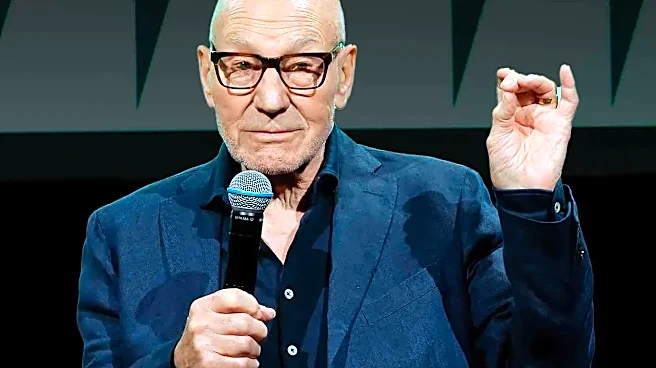
These weren't just panels; they were rallies. Fans would organize, wearing show-specific gear, buying merchandise, and making enough noise to convince network executives that their small but mighty audience was worth catering to. The term "cult hit" meant something specific: a show that failed to capture a massive mainstream audience but inspired a fiercely loyal, dedicated following willing to fight for its existence. The relationship was symbiotic. Creators would show up to thank the fans who saved them, and in return, fans felt a sense of ownership. A panel in Ballroom 20 felt like an intimate town hall, a place where the people who made the show and the people who loved it could connect on a personal level.
When Algorithms Entered Hall H
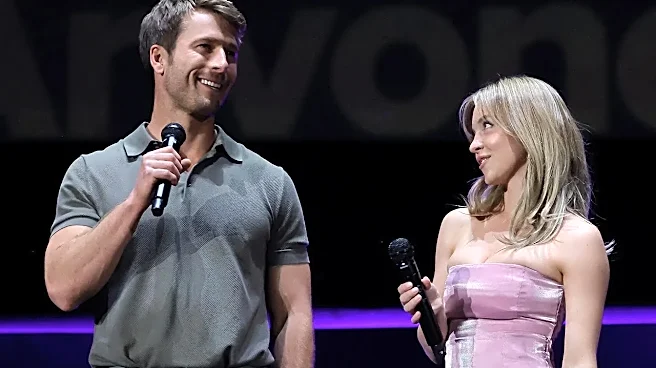
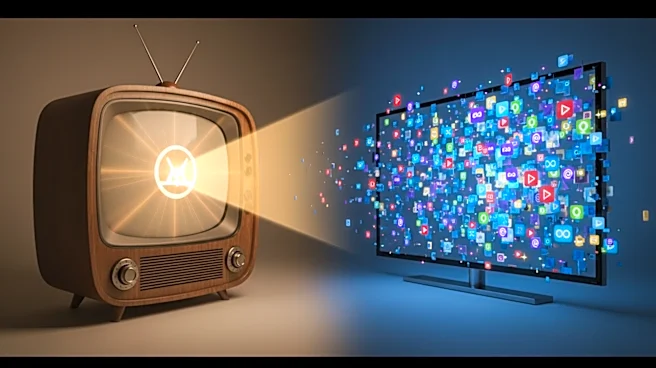
The arrival of streaming giants like Netflix, Amazon Prime Video, and Disney+ was a seismic event for Comic-Con. Suddenly, the biggest players in the room weren't the traditional networks fighting for Nielsen ratings, but global tech companies fighting for subscriber growth. They didn't come to San Diego to get discovered; they came to launch global blockbusters. The massive, immersive "activations" outside the convention center and the star-studded Hall H presentations for shows like The Lord of the Rings: The Rings of Power or Blade Runner 2099 aren't pleas for discovery; they are declarations of dominance. These companies spend fortunes not just on the shows themselves, but on marketing them with a precision-guided, data-driven approach that makes old-school fan campaigns seem quaint. The goal is no longer to find a niche audience but to manufacture a global one from day one.
The New 'Cult' Show: An Oxymoron?
This new reality has warped the meaning of "cult hit." Today, the term is often applied to high-budget, niche-genre shows that, despite their enormous cost, are not expected to be the next Stranger Things. They are designed to appeal to a very specific, pre-identified demographic to drive and retain subscriptions. But can a show with a nine-figure budget, promoted on a global platform to hundreds of millions of users, truly be a "cult" phenomenon? A cult classic traditionally finds its audience over time, often after failing to connect with the mainstream initially. It's defined by the passion of a small group loving something at a 100% level, not a massive group loving it at a 5% level. The new streaming "cult" shows are the opposite; they are pre-ordained, focus-grouped, and algorithmically promoted from inception. The marketing may mimic the language of fandom, but the organic, underdog spirit is gone.
What's Lost, What's Gained
The shift isn't all negative. Streaming has given creators the freedom to tell complex, serialized stories for dedicated audiences without the constant threat of cancellation based on overnight ratings. More genre content exists now than ever before, accessible to anyone with an internet connection. However, something valuable has been lost in the transition. The magic of Comic-Con was never just about seeing new trailers. It was about community and the thrill of the hunt. It was the feeling that your passion could move mountains, or at least convince a network to renew a quirky spy comedy for one more season. That sense of collective power is harder to find when the biggest shows are backed by corporations with market caps larger than the GDP of small countries. The fan experience is now less about organic discovery and more about curated consumption. The community is still there, but its role has fundamentally changed from being a savior to being a target demographic.