





The Death That Sparked the Fire
Everything changed for Rhaenyra over the stormy waters of Shipbreaker Bay. The death of her son, Lucerys Velaryon, at the hands of her half-brother Aemond, was more than a tragedy; it was a political catalyst. Before this moment, Rhaenyra had been the picture
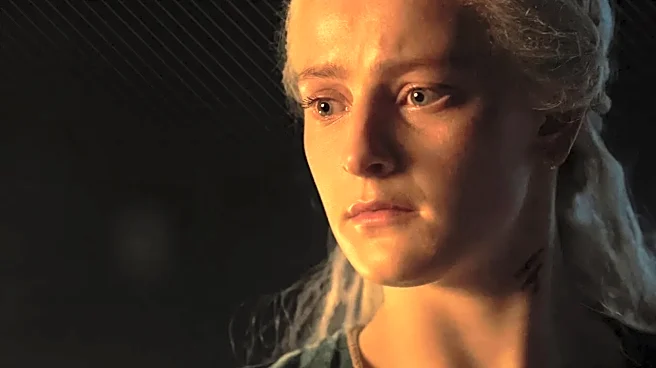
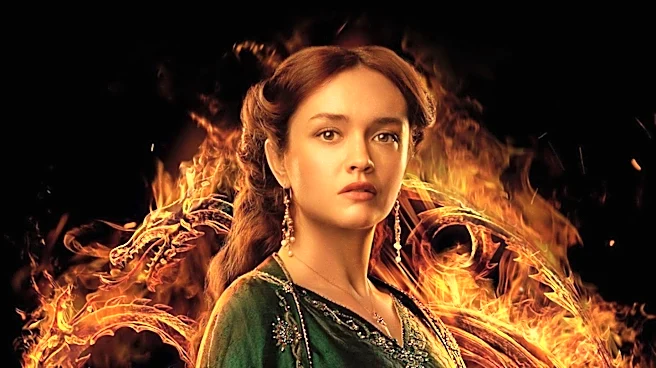
of restraint, even after her father's death and the usurpation of her throne. She was honoring King Viserys's lifelong wish for peace, attempting to hold the realm together through diplomacy while her uncle-husband Daemon Targaryen clamored for fire and blood. She sent her sons as envoys, not soldiers. But the news of Luke’s death, delivered with brutal finality, shattered that composure. The look on her face in the season's final moments said it all: the time for negotiation was over. The grief for her “sweet boy” was the spark that lit the fuse of the Dance of the Dragons, turning a succession crisis into a blood feud. Any love she once held for her childhood friend Alicent Hightower was extinguished, replaced by the fury of a mother who now saw her rivals as the murderers of her child.
A Queen Forged in Loss
Lucerys was not Rhaenyra’s first profound loss, but it redefined her capacity for suffering. The news of her father’s death had arrived while she was vulnerable, triggering a traumatic stillbirth and the loss of her daughter, Visenya. This series of devastating blows—losing her father, her crown, and two children in rapid succession—hardened her resolve in a way that years of political maneuvering never could. Actor Emma D’Arcy, who portrays Rhaenyra, noted that losing Luke “moves the goalposts for suffering,” teaching the character that she knew nothing of true grief until that moment. This cumulative pain strips away her youthful idealism. The queen who emerges is one who has lost her fear because she has already endured the worst. Her initial response is a quiet, internal one, seeking out the physical remnants of her son and his dragon, Arrax, in a solitary act of mourning before turning her attention to vengeance.
The Politics of Pain
Rhaenyra’s grief is not merely a private emotion; it becomes a powerful political tool. It is the narrative that fuels the Black faction. Her pain justifies the war to her allies and solidifies her image as the wronged queen. While Daemon’s response to loss is often immediate and violent—like when he impulsively choked Rhaenyra in a moment of frustration—Rhaenyra’s grief evolves into a more focused, strategic weapon. She uses it to rally support and to frame the conflict not just as a fight for her birthright, but as a righteous crusade for justice against a monstrous regime that preys on children. This transformation is key to her leadership. She is no longer just the heir her father named; she is a mother avenging a son, a symbol of defiance against the Greens’ cruelty. Her pain becomes her armor and her banner, making her cause relatable and her decisions, however ruthless, seem necessary.
The Ghost of a Promise
Even as she marches toward war, Rhaenyra is haunted by the memory of her father, King Viserys. His entire reign was a desperate, often naive, attempt to hold the family and the kingdom together. He named her heir to prevent the very chaos that is now unfolding. This creates a powerful internal conflict. Every strategic decision to embrace war is a step away from the promise of unity she implicitly made to him. She is fighting for the crown he gave her, but using methods he would have abhorred. This tension defines her choices. She must reconcile the duty to her father’s memory with the brutal reality that his peaceful approach is no longer an option. The war is not just against the Greens; it's a war against her own history and the lingering hope that there could have been another way. Her grief for her father is intertwined with the grief for that lost possibility of a peaceful succession.