







The Perfect Storm of Opportunity
A star-making performance rarely happens in a vacuum. It requires a specific set of ingredients: a massive stage, a compelling narrative, and a void waiting to be filled. Think of tennis Grand Slams, the FIFA World Cup, or March Madness. These are high-stakes,
globally televised events where a single upset or a magical run can capture the world’s attention. The player is almost always an underdog, someone who defies expectations. In 2021, British teenager Emma Raducanu arrived at the U.S. Open as a qualifier ranked 150th in the world. Ten matches later, she was the champion, having not dropped a single set. She wasn't just a winner; she was an impossible story—young, charismatic, and historically dominant. The stage (New York), the stakes (a Grand Slam), and the story (the ultimate underdog) created the perfect storm.
An Unstoppable Media Avalanche
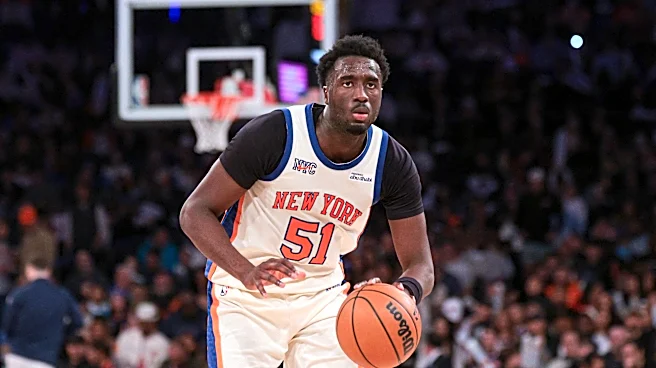
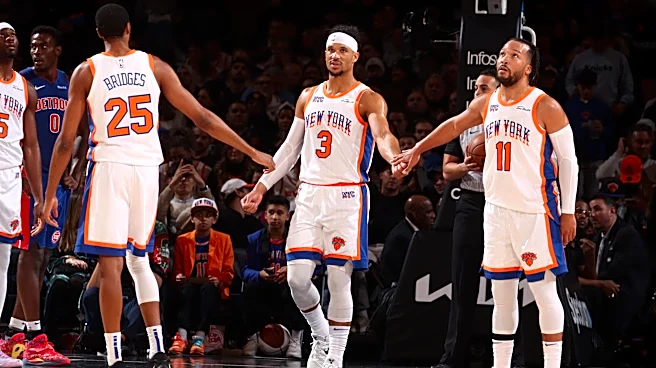
Once the spark is lit, the modern media machine turns it into an inferno. Decades ago, a player’s fame would build over weeks or months through newspapers and weekly sports shows. Today, it happens in hours. A viral clip on X (formerly Twitter), a highlight package leading ESPN’s SportsCenter, and a tidal wave of social media posts from fans and celebrities alike create an instant narrative. The story of Jeremy Lin’s “Linsanity” in 2012 is a masterclass in this phenomenon. A benchwarmer for the New York Knicks, Lin was on the verge of being cut before he led the team on an improbable winning streak. The story exploded not just in New York but globally, particularly in Asia. The term “Linsanity” became a worldwide hashtag, and Lin’s jersey became the NBA’s top seller. The media didn't just report the story; they amplified it, branded it, and sold it to a global audience hungry for a hero.
The Commercial Gold Rush
With global attention comes a torrent of commercial interest. Before the player has even fully processed their victory, agents’ phones are ringing off the hook. Brands want to attach themselves to the narrative of success, freshness, and authenticity. This isn’t just about a shoe deal; it’s about becoming the face of luxury brands, technology companies, and global conglomerates. Following her U.S. Open win, Emma Raducanu quickly signed endorsement deals with giants like Porsche, Tiffany & Co., British Airways, and Dior. She went from earning modest prize money on the lower-tier circuits to a portfolio of endorsements reportedly worth tens of millions of dollars. The athlete is no longer just a player; they are a brand, a walking billboard whose story and image are now incredibly valuable commodities.
Living With the Weight of the Crown
The final, and perhaps most difficult, part of this transformation is the crushing weight of expectation. The fairy tale ends, and the reality of being a global name begins. Every subsequent performance is measured against that one magical moment. For every athlete who uses the breakout as a launchpad for a legendary career, there are dozens who struggle to recapture the magic. They face intense scrutiny, pressure to perform, and the challenge of managing newfound wealth and fame. The underdog narrative is gone, replaced by the pressure of being a favorite. Players who thrived with nothing to lose must now learn to play with everything to lose. This mental and emotional challenge is often a greater hurdle than any opponent on the court or field. The one match that made them is now the benchmark they may spend the rest of their career trying to live up to.