



From Propaganda to Prestige
The Venice Film Festival wasn’t born from a pure love of art, but from political ambition. Founded in 1932 under the watchful eye of Benito Mussolini’s government, the event was initially intended as a showcase for Italian cultural power. The top prize
was even named the “Mussolini Cup” for best foreign and Italian films. However, this propagandist origin story has a twist. Following World War II, the festival needed to redefine itself to survive. It shed its fascist associations, relaunching with a new commitment to artistic freedom. This act of reinvention became its first and most important tradition: a pivot from a political tool to a global stage for cinematic art, setting the scene for its future prestige.
The Golden Lion: A Symbol of Artistic Courage
The festival’s post-war rebirth was cemented in 1949 with the introduction of its new grand prize: the Golden Lion of St. Mark. Named for the iconic winged lion that symbolizes the city of Venice, the award instantly became more than just a trophy. It represented a commitment to honoring daring, innovative, and often challenging cinema from around the world. While other awards might favor commercial success, the Golden Lion became a seal of artistic bravery. By awarding it to films like Akira Kurosawa’s “Rashomon” in 1951, the festival didn’t just give out a prize; it introduced Japanese cinema to a stunned Western audience and helped launch the international art-house movement. This tradition of championing bold filmmaking became Venice’s defining feature, attracting the world’s most ambitious directors who craved its validation.
Hollywood on the Lido: The Power of Glamour
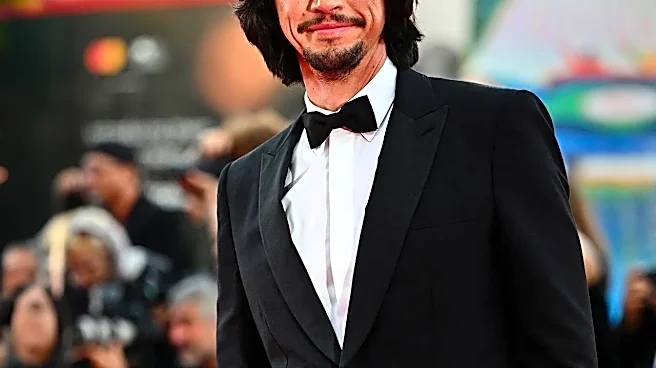
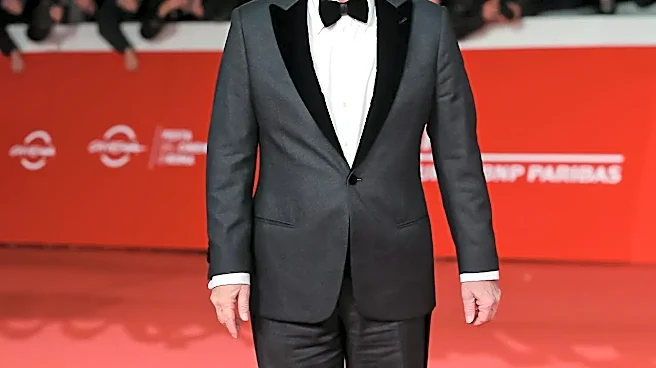
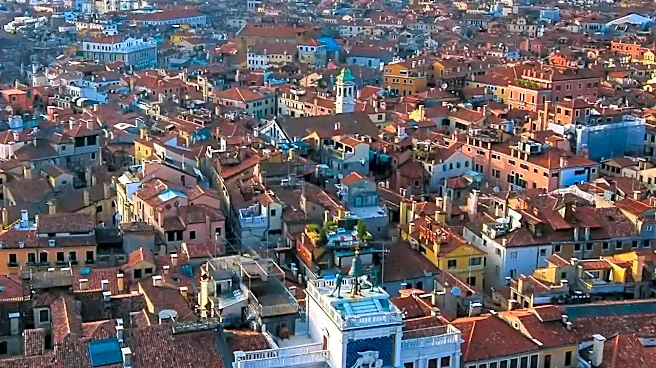
Artistic credibility is one thing, but global capital status requires glamour. Venice had it in spades. The festival’s location on the picturesque Lido island created a spectacle no other city could match. Instead of arriving in limousines, A-list stars like Sophia Loren and Clark Gable made their grand entrances on water taxis, gliding through the ancient city’s canals. This unique blend of Hollywood celebrity and old-world European charm created an irresistible mystique. The images of stars against the backdrop of Venetian palaces became iconic, embedding the festival in the public imagination. This tradition of effortless glamour wasn’t just for show; it made Venice a crucial marketing stop for major films and a magnet for media attention, ensuring its place on the world stage alongside industry events and award shows.
A Legacy of Launching Legends
Ultimately, a festival’s reputation rests on the films and filmmakers it champions. Venice built its legacy by consistently getting there first. It became known as a launchpad for legendary directors and a haven for controversial masterpieces that might have been overlooked elsewhere. Beyond its early championing of Japanese cinema, it provided a platform for European masters like Federico Fellini and Luchino Visconti, whose work was intertwined with the festival’s own identity. Even when it courted controversy, as it often did by selecting politically or socially charged films, the festival reinforced its core identity. It was a place where cinema was treated as a serious, world-changing art form. This unwavering focus on quality and discovery is the tradition that continues to draw the best of the best to the Lido every year, from established masters to the next generation of groundbreaking talent.