
More Than Just Spoilers and Ships
For decades, fan conventions were primarily about celebrating the 'what'—what happens next, what a character’s true motives are, what the big twist will be. This year’s NYCC, however, highlights a growing fascination with the 'how.' Attendees are diving
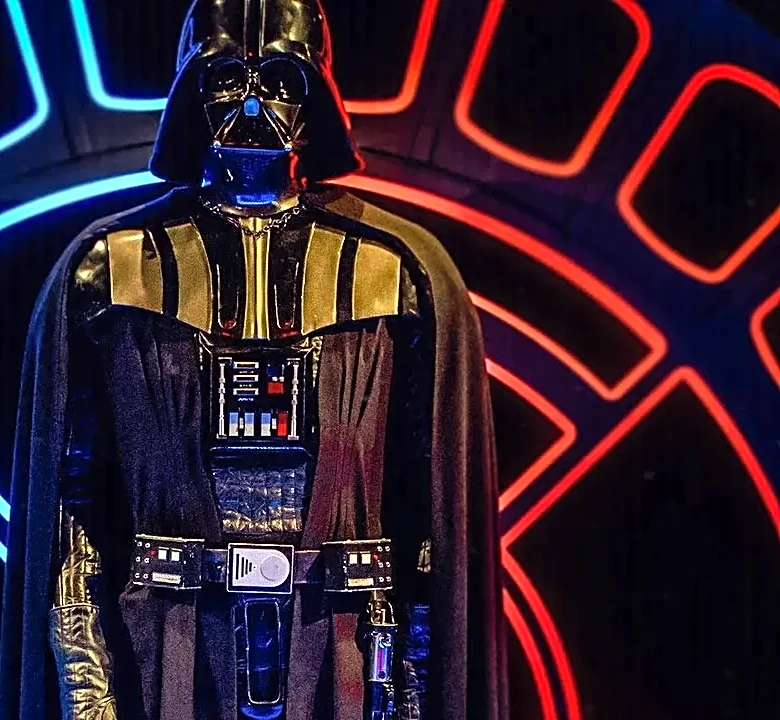
deep into the technical artistry that brings their favorite stories to life. We’re talking about production craft: the intricate details of costume design, the subtle genius of sound mixing, the seamless integration of practical effects, and the narrative power of cinematography. Instead of just asking if a hero will win, fans are now dissecting how the lighting and score build tension in their final battle. This shift marks a move from passive consumption to active, critical appreciation.
The Rise of the Armchair Auteur
So, why the change? The curtain between creator and audience has never been thinner. The explosion of behind-the-scenes content—from DVD extras of old to prestige streaming documentaries and creator-hosted podcasts—has given fans unprecedented access to the production process. YouTube video essayists now command massive followings by deconstructing everything from the color grading in a superhero blockbuster to the editing techniques in a cult horror film. This has cultivated a more informed, media-literate audience that arrives at events like NYCC armed with a sophisticated vocabulary and a keen eye for detail. They're not just fans anymore; they're amateur critics and armchair auteurs who appreciate the collaborative artistry involved in making media.
Spotted at NYCC: Craft Takes Center Stage
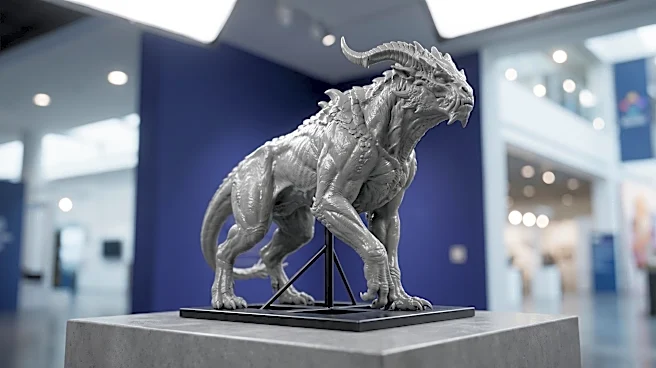
This trend isn't just happening in the hallways; it's baked into the official programming. NYCC's 2026 schedule features several panels explicitly dedicated to the craft. A panel for FX’s “American Horror Story,” for example, features not only cast members but also acclaimed costume designers Lou Eyrich and Catherine Crabtree to celebrate the show's iconic looks. Another series of panels, new for 2026, offers aspiring professionals masterclasses with prop makers and practical effects artists, covering everything from sculpting to special effects for independent horror. Universal Studio Group is even hosting a panel on page-to-screen adaptations, giving attendees a case study on how executives develop stories for the screen. Even conversations around upcoming projects like “Blade Runner 2099” and “Violent Night 2” promise a “look behind the scenes” and candid filmmaker conversations. This programming validates and encourages the growing fan interest in the nuts and bolts of production.
What This Means for Fandom and Hollywood
This deepening engagement is a win-win. For fans, it enriches their experience, allowing for a more profound connection to the art they love. It fosters a community built not just on shared passion for a story, but on a mutual respect for the skill it takes to tell it. For Hollywood, it cultivates a more discerning audience that values quality craftsmanship. When fans celebrate the nuances of sound design or the creativity of a creature effect, it creates an incentive for studios to invest in those areas. This micro-trend suggests that audiences are increasingly rewarding shows and films that demonstrate high-level artistry in every frame. It's a signal that while spectacle is exciting, the craft behind it is what earns lasting admiration and builds a truly dedicated, and educated, fan base.