

We’ve all seen it: a celebrity, hours into an awards show, smiling for the cameras with a lip color as perfect as when they first arrived. How does it survive champagne, speeches, and air kisses? It’s not magic; it’s chemistry.
The Battle Against the Red Carpet
A red-carpet event is a hostile
environment for makeup. The primary enemies are friction, moisture, and oil. Between sipping drinks, endless conversation, and the natural oils from the skin, a traditional lipstick made of waxes and oils stands little chance. Regular formulas slide off easily because their waxy base never truly 'sets'. They remain pliable, which makes them comfortable but also prone to smudging, fading, and transferring onto everything from a wine glass to a tuxedo lapel. A long-fashion awards night requires a formula built on an entirely different principle: one that doesn't just sit on the lips, but bonds to them.
The Heroes: Film-Forming Polymers
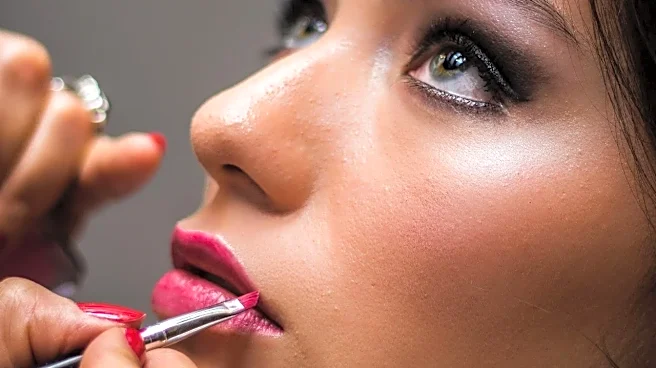
The secret to transfer-proof lipstick lies in ingredients called film-forming polymers. Think of polymers like acrylates copolymer or trimethylsiloxysilicate as the architects of durability. When a liquid lipstick containing these ingredients is applied, the polymers are suspended in a solvent. As the solvent evaporates, these polymers link together to create a flexible, mesh-like film over the lips. This film acts like a breathable, microscopic shield that locks pigments in place, preventing them from moving. This is what provides the smudge-proof and water-resistant qualities that define a long-wear product.
The Escape Artist: Volatile Solvents
For the film-formers to work, they need a delivery system that gets out of the way. This is the job of volatile solvents, most commonly a lightweight, clear liquid called isododecane. Isododecane is an emollient that allows the lipstick to glide on smoothly and evenly. Its key property, however, is that it evaporates very quickly. This rapid 'dry-down' is what sets the lipstick, leaving behind only the pigments and the durable polymer film. This process is why you often need to keep your lips apart for a minute or two after applying a liquid lipstick; you are giving the solvent time to disappear so the color can lock into place.
Pigments Designed to Stay Put
The color itself also plays a role. In long-wear formulas, pigments are finely milled, which helps them distribute more evenly and integrate seamlessly into the polymer film. Some pigments are even specially coated to make them hydrophobic (water-repelling) and lipophilic, meaning they prefer to stick to the film rather than transfer to an oily surface like food or even your own skin. The combination of high-quality pigments and the polymer shield ensures the color remains vibrant and true for hours, resisting the breakdown from saliva or a sip of water.
The Trade-Off: Comfort vs. Longevity
Historically, the biggest complaint about long-wear lipsticks was that they felt extremely dry. The same mechanism that locked in color also locked out moisture. Early formulas were unforgiving, often causing lips to feel tight and eventually flake. Cosmetic chemists have since found ways to improve comfort without sacrificing performance. Modern formulas now often include small amounts of non-volatile silicones or specific oils that provide a more comfortable, flexible feel without breaking down the polymer film. Ingredients like Vitamin E and other emollients can be incorporated to offer some nourishment, striking a much better balance between endurance and everyday wearability.