



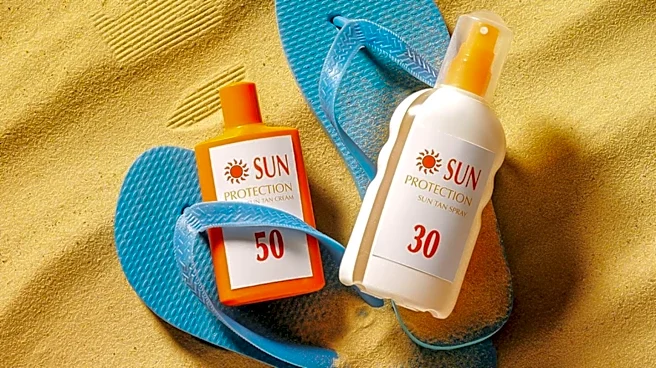
The Myth of Linear Protection
The biggest misconception is that SPF 100 is twice as effective as SPF 50. This is not true. Sun Protection Factor (SPF) measures protection against UVB rays, the kind that cause sunburn. The numbers, however, represent a rapidly diminishing return. According
to dermatologists, SPF 30 blocks about 97% of UVB rays. Bumping up to SPF 50 gets you to 98% protection. And SPF 100? It blocks about 99% of UVB rays. That means the difference between SPF 50 and SPF 100 is a mere 1% increase in protection. No sunscreen can block 100% of the sun's rays. The American Academy of Dermatology recommends using a sunscreen with an SPF of at least 30, which provides substantial protection for everyone.
The Problem with a False Sense of Security
One of the hidden dangers of opting for a very high SPF is the false sense of security it can provide. Believing you're wearing an impenetrable shield might tempt you to stay in the sun longer than you should or to become lazy about reapplication. But an SPF 100 sunscreen lasts for the same amount of time as an SPF 30. Regardless of the number on the bottle, all sunscreens need to be reapplied at least every two hours, and more frequently if you’ve been swimming, sweating, or towel drying. A high SPF number is not a license to skip reapplication. This behavioral pitfall can ultimately lead to more sun damage, not less, if it causes you to ignore other crucial sun safety habits.
The Factor That Matters Most: Application
Here's the real secret to effective sun protection: how you apply it matters far more than whether you choose SPF 30 or 50. Lab tests that determine SPF ratings use a thick, uniform layer of sunscreen—about two milligrams per square centimeter of skin. For the average adult, this translates to using a full shot glass worth of lotion (about one ounce or two tablespoons) to cover their body, and a nickel-sized dollop for the face alone. Studies have shown that most people apply only 25-50% of the recommended amount. When you apply too little, you can effectively cut your protection in half, meaning your SPF 50 might only be performing like an SPF 25. A generously applied SPF 30 is significantly more effective than a thinly applied SPF 100.
Beyond SPF: Why 'Broad-Spectrum' Is a Must
Focusing only on the SPF number means you're only getting half the story. SPF measures protection from UVB rays, which are the primary cause of sunburn. But the sun also emits UVA rays, which penetrate the skin more deeply and are the main driver of premature aging, like wrinkles and sunspots. Both UVA and UVB rays contribute to the risk of skin cancer. That's why it's critical to choose a sunscreen labeled "broad-spectrum." This designation means the product has been tested and proven to protect against both types of harmful UV radiation. The American Academy of Dermatology recommends that everyone use a broad-spectrum sunscreen. For people with darker skin tones, who can be more susceptible to hyperpigmentation from visible light, a tinted broad-spectrum sunscreen containing iron oxides can offer even better protection.