

The Feeling is the Thing
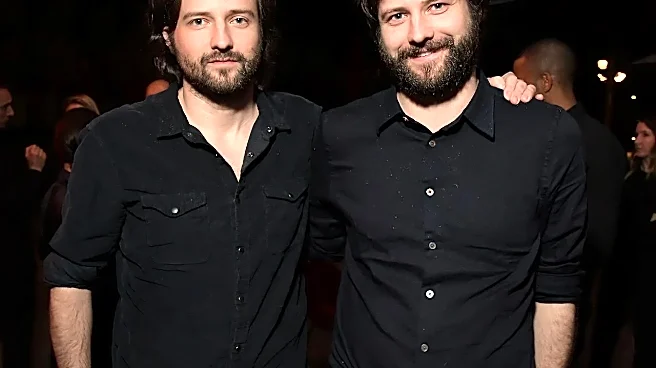
The true genius of the Duffer Brothers' formula isn't the mountain of 80s pop culture references, from 'Dungeons & Dragons' to Eggo waffles. It’s that they didn't just replicate the look of the 1980s; they replicated the feeling. Matt and Ross Duffer,
born in 1984, grew up absorbing the cinematic language of the era through VHS tapes. Their pitch to Netflix even included a trailer splicing together clips from dozens of classic 80s films to communicate the show's intended tone. They understood that true nostalgia isn't about a checklist of Easter eggs. It's about evoking the specific emotional texture of the films that defined a generation's childhood: the sense that your ordinary suburban life had the potential for extraordinary adventure. By focusing on relatable, ordinary characters grappling with supernatural events, they created a story that would work even without the monster, a principle they learned from their heroes.
The Spielberg-King Blueprint
At the heart of 'Stranger Things' is a potent cocktail of influences, with two names rising above all: Steven Spielberg and Stephen King. The Duffer Brothers have openly cited them as primary inspirations. From King, they borrowed the small-town setting where dark secrets fester beneath a placid surface, and the iconic 'kids on bikes' trope seen in stories like 'It' and 'Stand By Me'. The idea of a group of nerdy but loyal friends banding together to face an unimaginable evil is pure King. In fact, the Duffers were so influenced by King that they used an old copy of his novel 'Firestarter' as the cover for their original pitch book. One of the brothers even stated that if you take a non-horror story like 'The Body' (the basis for 'Stand By Me') and add a monster, you get 'It'—a formula that perfectly describes Hawkins, Indiana.
Spielberg's Awe, Carpenter's Dread
While King provided the narrative soul, the show's tonal duality comes from two distinct cinematic giants: Steven Spielberg and John Carpenter. The Duffer Brothers essentially split their story into different genre homages. The kids' storyline is a classic Spielbergian adventure full of wonder, friendship, and awe, echoing films like 'E.T. the Extra-Terrestrial'. The parallels are intentional, from kids hiding a super-powered friend to government agents in hazmat suits. But layered over that sense of wonder is a thick coating of dread straight from John Carpenter. The teen and adult storylines often veer into the territory of films like 'Halloween' or 'The Thing'. The synth-heavy score, composed by Kyle Dixon and Michael Stein, is a direct and loving homage to Carpenter's self-composed soundtracks, creating an atmosphere of relentless, creeping tension that gives the show its signature horror edge.
Casting as a Nostalgic Act
The final layer of the Duffer Brothers' nostalgic alchemy is in the casting itself. Bringing Winona Ryder back as the frantic, determined mother Joyce Byers was a masterstroke. As a teen icon of the late 80s and 90s, her presence immediately grounds the show in the era it's celebrating. The same is true for casting Matthew Modine as the villainous Dr. Brenner. For audiences who grew up watching them, their faces are a form of nostalgia. Later seasons continued this trend, adding 80s mainstays like Sean Astin ('The Goonies'), Paul Reiser ('Aliens'), and even Freddy Krueger himself, Robert Englund. This isn't just stunt casting; it's a meta-narrative choice. It tells the audience that the show is made by people who love the same movies you do, creating an immediate, shared cultural shorthand and a deeper bond with the material.