

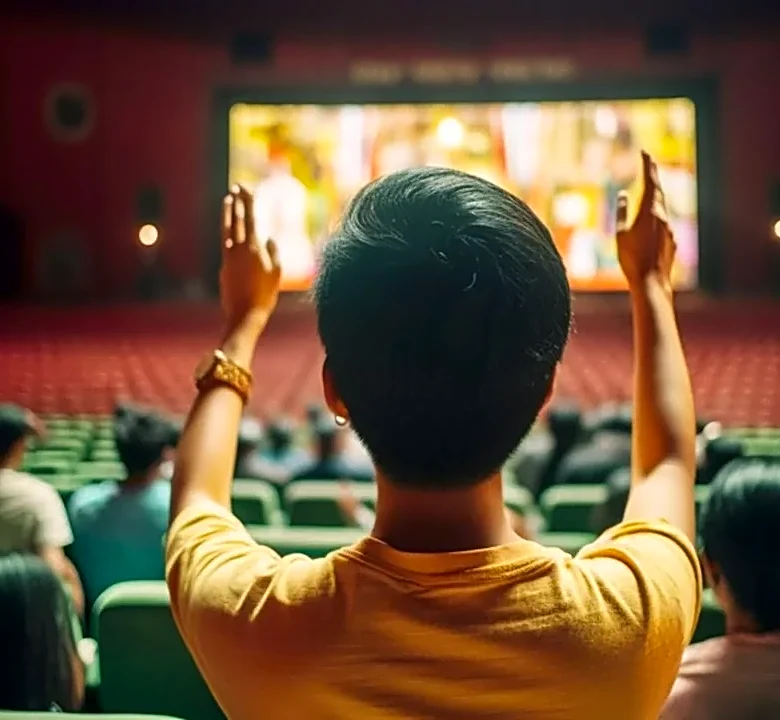






Make Room for the Surprise Film
One of the most thrilling and talked-about events at the LFF is the annual 'Surprise Film'. It's exactly what it sounds like: you buy a ticket with no idea what you're about to see until the opening credits roll. It's a cherished tradition and a pure
celebration of cinematic discovery. In past years, audiences have been treated to major, unannounced premieres of films like 'Green Book', 'Lady Bird', and 'The Menu'. The speculation is half the fun, but you can only join in if you've kept a slot free. By leaving a strategic gap in your schedule, you give yourself the flexibility to snag a ticket for what could be the most memorable screening of the entire festival.
Discover the Festival Beyond the Features
The London Film Festival is more than just a series of back-to-back movies. The schedule is packed with incredible events that enrich the film-going experience. This year, the LFF Expanded programme offers a mind-bending journey into immersive art, virtual reality, and interactive video games at venues across the South Bank. You can explore free installations or book a 40-minute mixed-reality narrative. Beyond that, there are 'Screen Talks' with acclaimed directors and actors, free 'LFF for Free' industry panels in the BFI's cafe, and even DJ nights inspired by the films on the programme. These events are where you can gain a deeper understanding of the craft, connect with fellow film lovers, and feel the true pulse of the festival. An over-packed film schedule means you miss out on this entire dimension.
Chase the Mid-Festival Buzz
No matter how much research you do, some of the festival's biggest hits only reveal themselves once the event is underway. A small film with no big stars might suddenly become the talk of the town, earning rave reviews and generating intense word-of-mouth buzz. This is where a flexible schedule becomes your superpower. Having an open afternoon or evening allows you to pivot and try for a last-minute ticket to the film everyone is suddenly desperate to see. The festival even has standby queues for sold-out shows, rewarding those with the time and patience to try their luck. If your every moment is accounted for, you lose the ability to react to the festival's evolving conversation.
Prevent Full-Blown Festival Burnout
This might be the most crucial point. Attending a film festival is a marathon, not a sprint. Trying to watch four or five films a day, rushing between venues from the South Bank to Soho, is a recipe for exhaustion. Your brain needs time to process the complex narratives and powerful imagery you're consuming. You also need to eat, stay hydrated, and simply rest. A packed schedule turns a joyous cultural experience into a grueling endurance test. Building in breaks to grab a proper meal, have a coffee by the Thames, or just sit quietly in the BFI's library allows you to recharge. This downtime ensures you're actually alert and engaged for the films you do see, rather than dozing off during a crucial third act.
Embrace Serendipity and Spontaneity
The best festival moments are often the ones you didn't plan. It could be striking up a conversation with a filmmaker in a coffee line, stumbling into a free screening of shorts, or discovering a new favorite director by taking a chance on a film from the 'Experimenta' or 'Dare' strands simply because it fits an open slot. The festival's main hub at the BFI Southbank is designed for these moments of connection and discovery. By overscheduling, you eliminate the possibility of serendipity. Leaving space is an act of trust—trust that the festival environment itself will provide unexpected opportunities and that your experience will be richer for it.