







First, What Is an IMAX Plate?
Think of a 'plate' as the foundational layer of a shot. It's often the background footage of a location—a sprawling cityscape, a serene landscape, or even just an empty room—into which actors or visual effects are later composited. The use of plates dates
back to the early days of cinema, when techniques like rear projection were used to place actors in exotic locations without leaving the studio. In modern filmmaking, they are essential for everything from removing unwanted objects to adding complex digital characters. When dealing with IMAX, the stakes are exponentially higher. Because IMAX film captures an image with up to ten times the resolution of standard 35mm film, any imperfection in a background plate isn't just visible; it's glaring. The format is designed for total immersion on screens that can be eight stories high, meaning every detail of that plate is under intense scrutiny.
The Tyranny of Inconsistent Light
This brings us to the “Seas and Seasons” part of the challenge. Imagine a director needs a shot of a hero standing on a cliff in Scotland. They film the actor on a green screen in Los Angeles. Then, a second-unit crew flies to Scotland to capture the background plate. But what if it’s cloudy in Scotland on filming day, while the actor in L.A. was lit for a sunny afternoon? Mismatched lighting is the fastest way to break an audience's immersion. The angle of the sun, the color temperature of the light, atmospheric haze, and even the time of year all drastically change how a location appears on camera. With the hyper-clarity of IMAX, a digital sky replacement or color adjustment that might work for a standard film can look fake and jarring. The process requires painstaking attention to detail, with crews needing to perfectly match camera settings, focal lengths, and angles, often months and thousands of miles apart.
In-Camera Purity vs. Digital Pragmatism
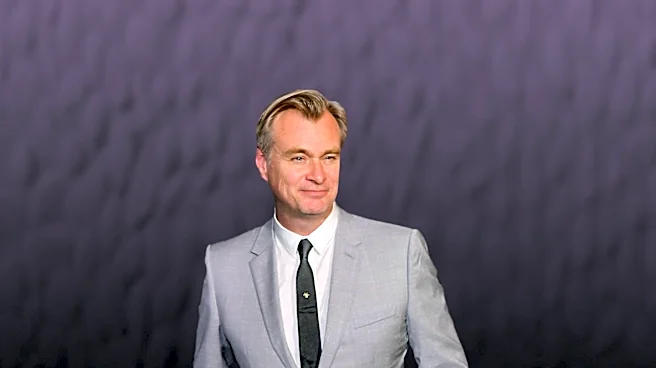
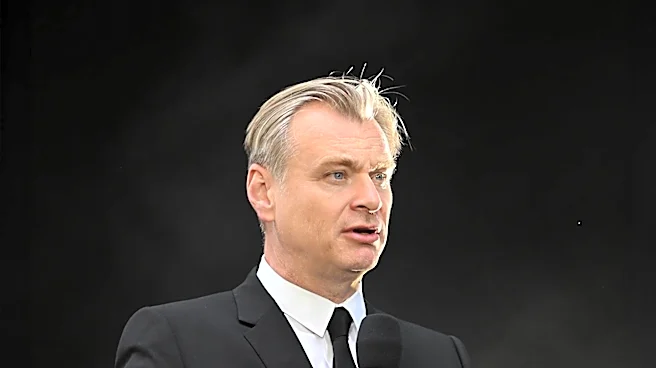
Some filmmakers, most famously Christopher Nolan, go to extraordinary lengths to avoid these very issues by prioritizing practical effects and capturing as much as possible "in-camera." For a director like Nolan, the solution is not to fix it in post-production, but to get it right on the day. This might mean returning to a location multiple times to capture the exact same lighting conditions or building elaborate sets to avoid the need for extensive green screen work. His recent films, which push for using 100% IMAX footage, represent the zenith of this philosophy, demanding new camera technologies and logistical planning to capture intimate dialogue scenes with famously loud and cumbersome IMAX cameras. This pursuit of analog purity is an immense artistic and financial undertaking, aiming to create a seamless reality on film before it ever reaches an editing suite.
The Unsung Heroes of VFX
For most productions, however, relying entirely on in-camera perfection is not feasible. This is where visual effects artists become the unsung heroes. When plates from different locations or times must be stitched together, it’s the VFX team that makes it work. This process, called compositing, is far more than just cutting and pasting. Artists meticulously adjust color, lighting, and texture, sometimes on a frame-by-frame basis, to blend the elements seamlessly. They might need to digitally paint out shadows that don't match, add atmospheric effects like fog or dust to bridge two different environments, or even build a 3D model of the location to ensure the perspective of the plate matches the foreground action perfectly. Even in a Nolan film, where practical effects are paramount, VFX is still necessary to clean up shots or combine elements in ways that are physically impossible, requiring a complex workflow to scan the analog film, apply digital effects, and then print it back onto film to match the rest of the movie.