



The People's Champion: The Hit
This is the safest bet and, in many ways, the most logical. Dropping the multi-platinum, stadium-chanting smash hit is a guaranteed win. It’s the song everyone knows, from the front-row die-hards to the casual attendees who wandered over from another
stage. The purpose of a festival is mass communion, and nothing unites tens of thousands of people like a chorus they all know by heart. Think of the Killers launching into “Mr. Brightside” or Queen’s set-closing dominance at Live Aid in 1985. The hit provides pure, unadulterated catharsis. It’s a moment of shared joy, a firework finale that sends the crowd home buzzing with an energy that’s both predictable and profoundly satisfying. There’s no risk of confusion or a dip in energy. You’re giving the people exactly what they want, and in the context of a long, exhausting festival day, that reliable dopamine hit can feel like a gift.
For the True Fans: The Deep Cut
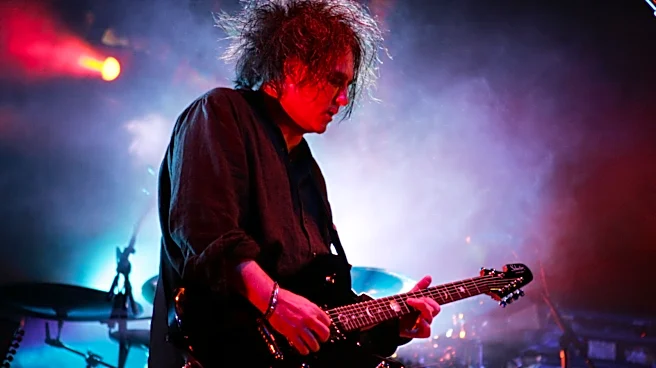
This move is a nod to the faithful. Closing with a non-single, a beloved album track, or even a B-side is a high-risk, high-reward strategy. For the casual fan, it can be an anticlimax, a moment of confusion where the expected singalong is replaced by polite applause. But for the hardcore contingent—the fans who bought tickets just for this band—it’s the ultimate validation. It says, “This is for you.” It transforms a massive, impersonal field into an intimate space, creating an “if you know, you know” moment of profound connection. Bands with fiercely dedicated fanbases, like Pearl Jam or The Cure, are masters of this, often weaving obscure tracks into their encores. Choosing a deep cut asserts artistic integrity over commercial obligation. It’s a power move that sacrifices broad appeal for a deeper, more resonant impact with the people who have been on the journey with the band all along. The risk is alienating the majority, but the reward is forging an unbreakable bond with the core.
The Wild Card: The Surprise Cover
This is the legendary, “you had to be there” moment. A well-chosen cover song can be the most powerful tool in a band's festival arsenal. It short-circuits expectations and unites the entire crowd—die-hards and casuals alike—in a moment of collective, unexpected delight. Unlike a band's own hit, a cover comes with its own history, and hearing it reinterpreted creates a singular experience that will never be replicated. Prince covering Radiohead’s “Creep” at Coachella in 2008 wasn't just a great performance; it became a piece of festival folklore. The same goes for Jimi Hendrix’s iconic take on Bob Dylan’s “All Along the Watchtower.” The key is the element of surprise and the perfection of the choice. A lazy, obvious cover can fall flat, but the right song, reimagined in the headliner’s style, creates a memory that defines the entire event. It's a gamble, but when it pays off, it’s not just a good ending; it’s historic.
The Verdict: The Cover Is King
While all three options have their merits, the surprise cover is the undisputed champion of the festival finale. Here’s why: a festival is not a regular concert. A standard tour show is for the fans who paid to see that specific artist. A festival audience is a mix of demographics, tastes, and levels of fandom. The hit is reliable but can feel routine. The deep cut is a beautiful gesture but inherently exclusionary. The surprise cover is the only option that does it all. It resets the room, placing everyone on equal footing. It creates a completely unique memory, distinguishing this one performance from every other stop on a tour. A festival's currency is the creation of legendary, unrepeatable moments. While sending everyone home singing your biggest hit is a solid victory, sending them home talking about that one time you flawlessly covered a song by an artist from a completely different genre is how legends are made. It's the ultimate act of showmanship, a shared secret for everyone lucky enough to be in that field.