






More Than a Birthday Party
First, what is America 250? Officially known as the U.S. Semiquincentennial, it’s a nationwide commemoration of the 250th anniversary of the Declaration of Independence. Far from a single-day event on July 4, 2026, it's a multi-year effort designed to
encourage reflection on the nation's past and future through local events, educational programs, and national initiatives. Like the Bicentennial in 1976, which left a distinct cultural footprint on everything from design to fashion, the 250th anniversary provides a moment for Americans to consider and express what the country means to them. And that kind of personal and public expression is often channeled through what we wear.
The Diplomat's Secret Weapon
The modern blueprint for the statement brooch comes from the lapel of one of America’s most formidable diplomats: Madeleine Albright. As the first female Secretary of State, she turned her collection of pins into an arsenal of communication. She famously advised people to “read my pins.” When the Iraqi press called her an “unparalleled serpent,” she responded by wearing a snake brooch to her next meeting with Iraqi officials. To discuss a missile treaty with Russia, she wore a pin shaped like an interceptor missile. For good days, she’d wear flowers and butterflies; for bad days, bugs and wasps. Albright proved that a simple accessory could convey resolve, optimism, or dissent before a single word was spoken, transforming jewelry from mere decoration into a tool of statecraft.
A Pin Pinned to History
Albright wasn’t the first to use brooches as a form of messaging. The practice has deep historical roots. In the early 20th century, suffragettes wore brooches in purple, white, and green to signal their allegiance to the fight for women’s right to vote, creating a silent, visual network of solidarity. During the Victorian era, mourning brooches, often containing a lock of a loved one's hair, served as public expressions of private grief. Throughout history, these small objects have been used to denote power, commemorate events, and signal political affiliation. They are, in essence, wearable statements of identity, making them perfectly suited for moments of historical significance.
A Collision of Trends
The potential comeback of the brooch isn’t happening in a vacuum. Fashion runways and trend reports have already flagged the brooch as a major accessory for 2026, fueled by a broader shift toward maximalist, personalized style. After years of minimalist jewelry, consumers are looking for unique ways to make their outfits stand out, and a brooch is a flexible and impactful way to do it. The America 250 celebration provides the perfect narrative for this budding trend. It offers a reason—a cultural anchor—for people to don a piece of statement jewelry. It merges an existing fashion movement with a national moment, creating the ideal conditions for the brooch to move from a niche accessory to a mainstream must-have.
The 2026 Edition: What to Expect
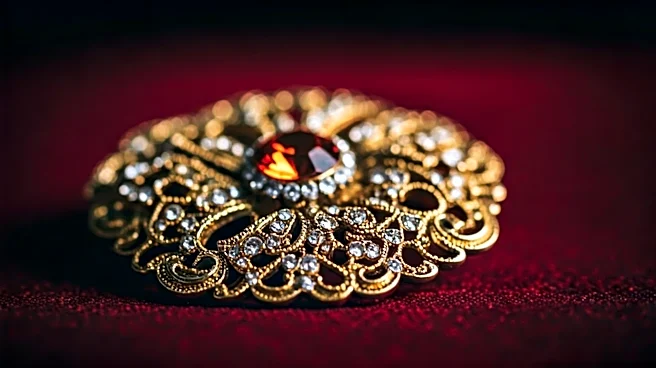
So, what might an America 250 brooch look like? Expect a wide range of styles. Some will be overt, featuring classic patriotic symbols like eagles, flags, and stars in red, white, and blue. Others will be more abstract, using historical motifs or modern designs to evoke a sense of national identity. We may see a surge in popularity for vintage and heirloom pieces, as people dig into their family history to find meaningful accessories. Designers will likely release commemorative editions, while Etsy and other platforms will fill with artisan creations. The beauty of the trend is its versatility; a brooch can be an expensive designer piece or a flea-market find, offering an accessible entry point for anyone wanting to participate.