
Control the Column
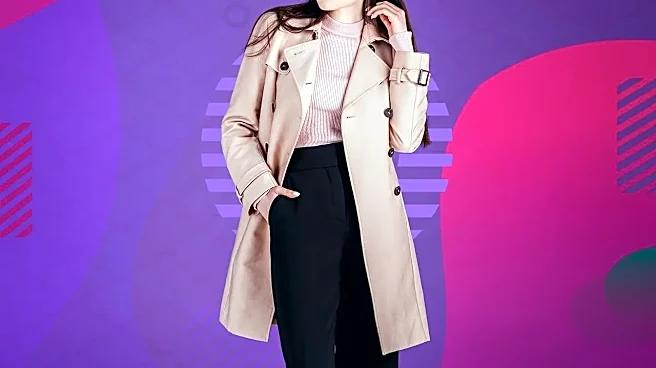
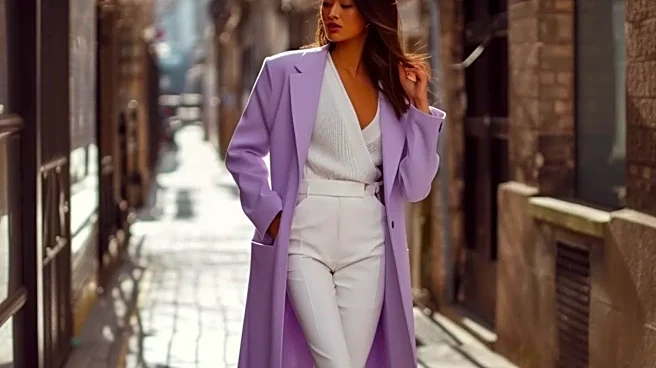
The most effective trick for making an open coat work is creating a strong vertical line underneath it. This is often called an 'inner column of color'. By wearing a top and bottom of the same or similar colors, you create an unbroken line that draws
the eye up and down. The open coat then acts as a frame, and this continuous column underneath prevents the overall look from appearing too wide or disjointed. For example, a black top with black jeans under a camel coat creates a sleek, slimming effect. This works because your outfit isn't visually cut in half at the waist, which can sometimes happen with high-contrast tops and bottoms, making the entire silhouette feel more harmonious.
Mind the Mid-Layer
What you wear between your base layer and your coat is crucial. Bulky layers are the fastest way to ruin the drape of a good coat. Avoid thick, chunky sweaters that strain the shoulders and arms of your outerwear. Instead, opt for thin, effective layers. A fine-gauge knit, like merino wool, a fitted turtleneck, a tailored vest, or even a button-down shirt adds warmth and structure without adding significant bulk. A vest is particularly effective because it provides core warmth with zero sleeve bulk. This middle piece should sit close to the body, ensuring the coat can hang cleanly from the shoulders as it was designed to.
Play with Proportions and Hemlines
The length of your coat in relation to the clothes underneath is a game of proportions. A common rule of thumb is to balance volume: if the coat is oversized and long, the silhouette underneath should be leaner. Straight-leg jeans or tailored trousers work well to balance a voluminous coat. Where your layers end—the hemlines—also shapes the look. A jacket that stops at the hip creates a very different shape than one that goes to the knee. Experimenting with a slightly shorter top under the open coat can help define your waist, breaking up the volume and preventing you from looking lost in fabric.
It's All About the Silhouette
Before you even consider the coat, think about the silhouette of the outfit you're wearing underneath. The goal is to have a complete, intentional look that would stand on its own even after you take the coat off. Tucking in your shirt or choosing pieces that define your waist—even subtly—can provide the necessary structure that keeps an open coat from looking like a bathrobe. Single-breasted coats are generally easier to wear open than double-breasted styles, as the latter can have excess fabric that looks bulky when not fastened. The right foundation ensures the coat is an enhancement, not a cover-up.
Texture and Structure Add Definition
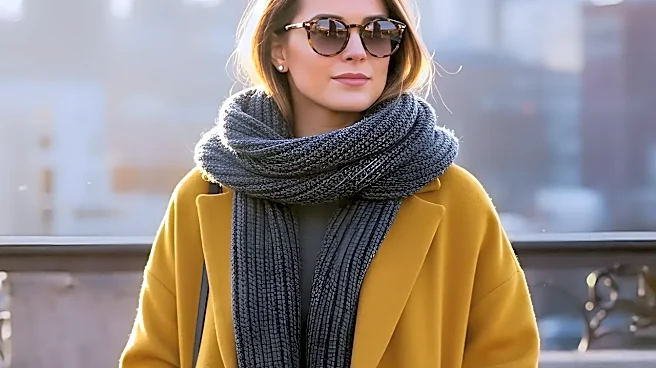
Mixing textures between your layers adds visual interest and keeps the outfit from looking flat. A smooth silk or cotton shirt under a knit cardigan, all beneath a wool coat, creates depth and sophistication. Similarly, contrasting structured pieces with softer ones helps maintain balance. A tailored blazer or even a crisp overshirt worn as a middle layer can hold its shape under a coat, preventing the entire look from collapsing into a soft, undefined mass. The interplay between a soft knit and the structured lapel of a coat, for instance, is what makes a layered look feel thoughtful and deliberate.