




A Classic Look for a New Era
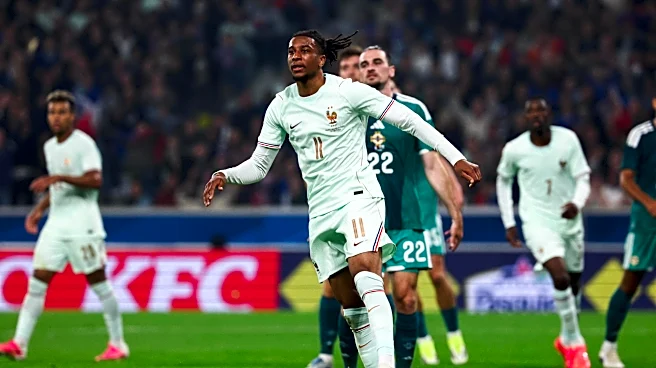
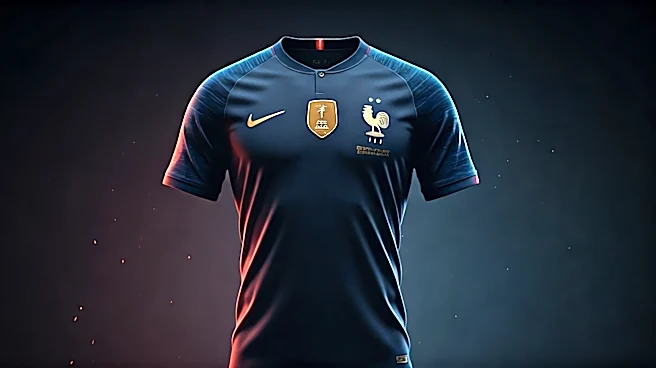
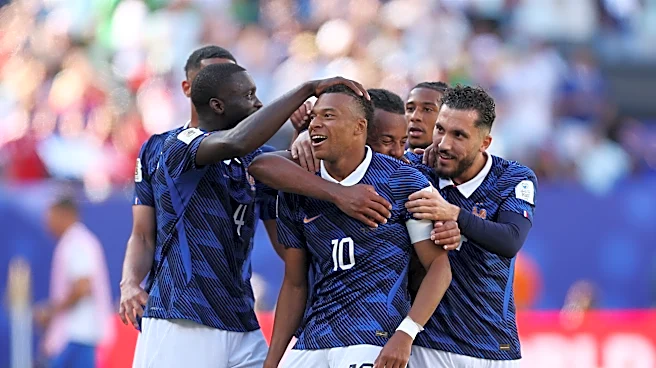
The latest home kit for the French national team, worn during the Euro 2024 tournament, is a testament to this philosophy. Manufacturer Nike returned to a classic, vibrant "Bright Blue," moving away from the darker navy of recent years. The design is inspired
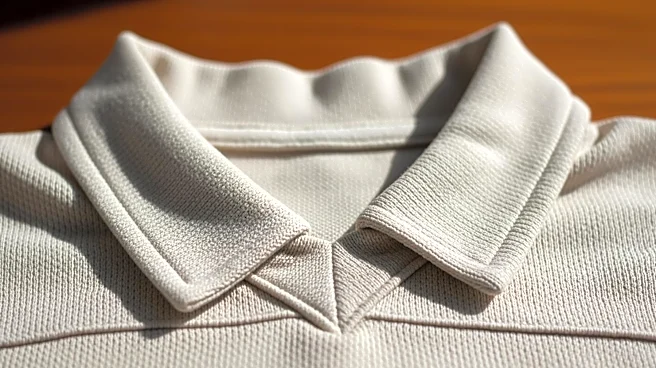
by the iconic French teams of the 1960s, featuring a tri-color detail on the collar and, most notably, an oversized, full-color Gallic Rooster crest. This enlarged crest is a specific homage to the multi-cultural French teams of the 1980s that captured the nation's heart. After years of monochrome logos, this return to the full-color emblem feels both nostalgic and refreshingly bold—a declaration of heritage without unnecessary noise. Inside the collar, a small inscription reads, "Nos différences nous unissent" ("Our differences unite us"), adding a layer of social meaning to the design.
The Symbolism of *Le Coq Gaulois*
That rooster, or *le coq gaulois*, is central to the jersey's power. Its origins trace back to a Latin pun: the word for the inhabitants of ancient Gaul, *Gallus*, also means rooster. What may have started as a joke was eventually adopted by French royalty as a symbol of courage. It gained modern prominence during the French Revolution and was used as a powerful emblem of resistance and bravery during World War I, contrasting with the German eagle. Since 1919, the rooster has been a fixture on the kits of the French Football Federation (FFF), representing not just a team, but the history, resilience, and pride of the nation itself. It’s a symbol that carries the weight of history with an effortless Gallic flair.
A History Woven in Blue
While the specific shade has varied, from royal to navy, the blue shirt—*le maillot bleu*—has been synonymous with the team since just after the First World War. This visual identity is a direct nod to the French tricolor flag and the nation's heraldic past. Iconic iterations have cemented its legendary status. Think of Michel Platini in the elegant 1984 European Championship-winning kit, with its simple white collar and red stripe. Or the revered 1998 World Cup jersey worn by Zinedine Zidane, a clean design with a subtle red and white stripe across the chest that became a symbol of a monumental victory on home soil. Even the 2018 World Cup-winning jersey, a darker blue with a subtle pattern, projected a cool, modern efficiency. The current kit's simplicity is part of this long lineage of quiet confidence.
The Confidence of Understatement
In a landscape where many national kits vie for attention with loud graphics and clashing colors, France’s traditional approach is a power move. It suggests that the team’s identity is so strong it doesn't need to shout. The jersey's clean lines and classic color palette serve as a canvas for the stars on the pitch. The focus is on the football, on the fluid, often devastatingly efficient play of a team filled with global superstars. The simplicity of the shirt doesn't distract; it enhances. It projects an image of a team that is comfortable in its own skin, a nation secure in its identity. The flair comes from the players, not the pattern. In this, the jersey is the ultimate accessory to their talent—present, iconic, but never overpowering.