



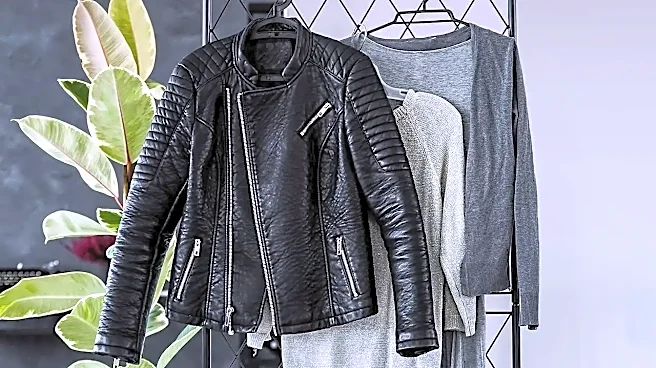

More Than Just Trading Clothes
Forget the image of a dusty donation bin. In Copenhagen, a city renowned for its leadership in sustainable fashion and minimalist design, a closet swap is often a curated social event. It's less about getting rid of unwanted items and more about intentionally
extending the life of quality garments. These gatherings reflect a core Danish principle: prioritizing well-made, durable pieces over fleeting trends. Participants bring a select number of clean, high-quality items, creating a collection of pre-loved treasures rather than a pile of cast-offs. The goal isn't just to acquire something for free; it's to participate in a circular economy, giving good clothes a second life and finding something unique that you can't buy in a store.
An Antidote to Fast Fashion Fatigue
The relentless cycle of buying cheap, trendy clothes—and the environmental and financial toll it takes—has left many consumers feeling burnt out. Clothing swaps offer a direct and satisfying solution. The average American discards a significant amount of fabric each year, contributing to overflowing landfills. By swapping, communities keep perfectly good clothing in circulation, reducing waste and conserving the resources needed to produce new items. Beyond the environmental benefits, these events foster a sense of community. They are social gatherings, a chance to connect with friends or meet new people who share similar values about conscious consumption. The thrill comes from the hunt and the story behind a piece, not the price tag.
The 'Hygge' of Your Wardrobe
The Copenhagen closet swap also embodies the famous Danish concept of “hygge”—a feeling of coziness, contentment, and well-being from life's simple pleasures. A swap event is often designed to be a hygge experience: friends gather with snacks and music, creating a warm, relaxed atmosphere that’s the opposite of a crowded mall. This approach transforms decluttering from a chore into a comforting, social ritual. It’s about being content with what you have, sharing with your community, and finding joy in simple, intentional acts. Applying hygge to your wardrobe means cultivating a collection of clothes that make you feel good, physically and ethically, rather than constantly chasing the next new thing.
Bring the Copenhagen Spirit to Your Closet
You don't need to be in Denmark to embrace this mindset. Hosting your own Copenhagen-inspired swap is simple. First, set clear guidelines: ask guests to bring a limited number of clean, gently-used items in good condition. Quality over quantity is key. Second, create a social atmosphere. Make it a party with food, drinks, and music to encourage mingling. Organize the clothes by category (tops, pants, accessories) on racks or tables to make browsing easy and enjoyable. To ensure fairness, you can use a ticket system where each item gets you a ticket to claim another, or have guests take turns choosing their first few items. Finally, have a plan for any leftover garments, such as donating them to a local shelter or textile recycling program, ensuring nothing goes to waste.